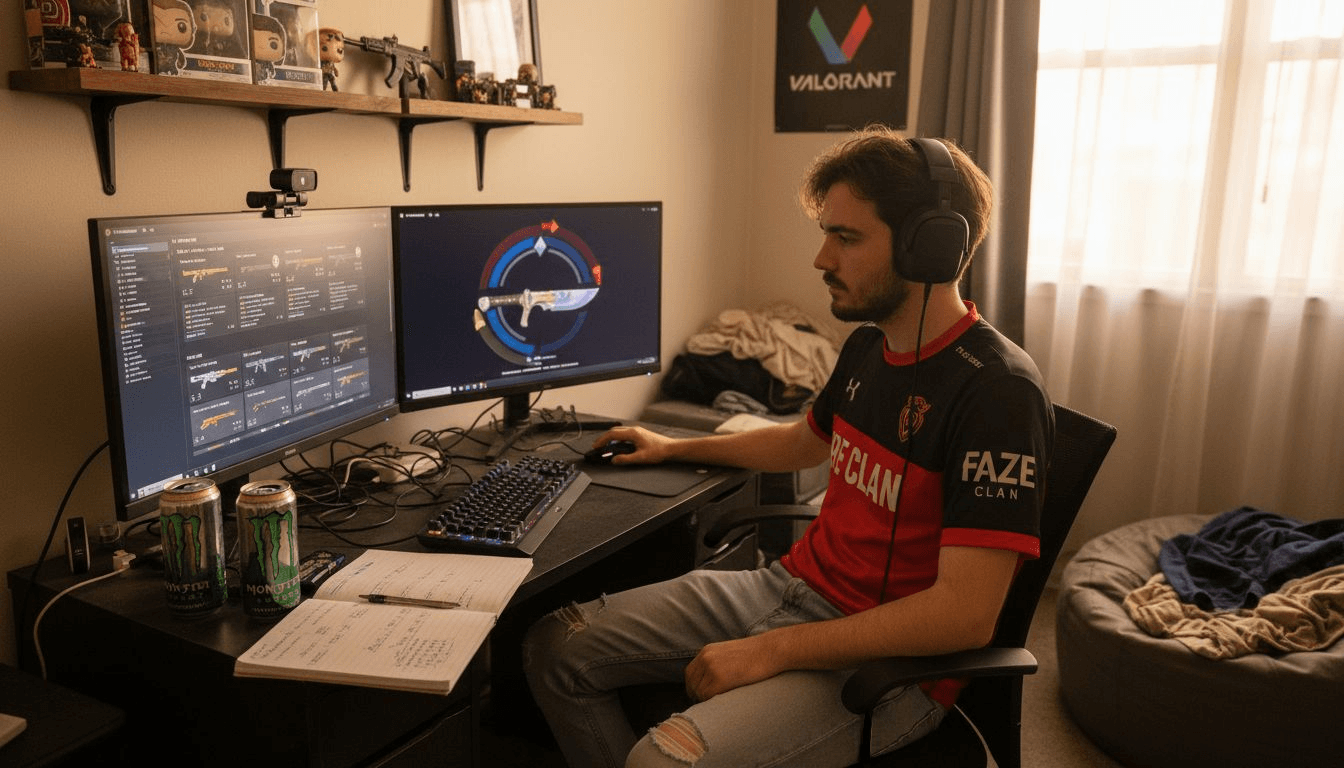
Many players new to CS2 are surprised to learn that the true battle for skins is fought outside the server, not in headshots or clutches. The real competition happens in a thriving market, where collectors and traders chase rare cosmetics in a system that has fueled a multi-billion-dollar economy. Understanding how rarity, demand, and smart trading interact gives you a strategic edge as you compete for profit, prestige, and the next coveted addition to your collection.
Table of Contents
- Battle For Skins Defined And Debunked
- Types Of Battles And Game Modes Explained
- How Skin Battles Work On CS2 Platforms
- Strategic Advantages Beyond Case Openings
- Risks, Fairness, And Safe Participation
Key Takeaways
| Point | Details |
|---|---|
| Understanding the Market | Battle for skins refers to the competitive market of virtual cosmetic items, driven by rarity, collector demand, and trading mechanics. |
| Misconceptions Clarified | Skins are purely cosmetic; they do not enhance gameplay, and purchasing expensive skins does not guarantee better performance or profits. |
| Strategic Participation | Knowledge of case composition and market trends significantly enhances your chances of success in battles, separating smart players from casual ones. |
| Risk Management | Skin battles involve real financial risks; responsible participation includes setting budget limits and securing accounts against potential threats. |
Battle for Skins Defined and Debunked
Battle for skins is not what most newcomers think it is. It's not a direct gameplay mechanic or a way to gain competitive advantage in CS2. Instead, it refers to the competitive market and social dynamics surrounding virtual cosmetic items that have created a multi-billion-dollar economy around collecting and trading.
Think of it as a parallel economy operating within CS2. Players compete to acquire rare skins, build collections, and trade them for profit or status. The value comes entirely from rarity, aesthetics, and community demand, not from any in-game performance benefit.
What Battle for Skins Actually Means
The term encompasses three core elements working together:
-
Rarity and scarcity: Limited supply drives demand. Factory New dragon lore skins are worth thousands because only so many exist.
-
Collector demand: Players invest in skins the way others collect trading cards or art. Owning rare items signals status and dedication.
-
Trading mechanics: The ability to buy, sell, and exchange skins creates price fluctuations. Smart traders profit from these market movements.
Common Misconceptions Debunked
Here's what battle for skins is NOT:
-
Not gameplay-related: Skins are purely cosmetic. They don't improve your aim, spray control, or game sense.
-
Not pay-to-win: Buying expensive skins doesn't make you a better player. A $0.03 skin performs identically to a $5,000 skin.
-
Not guaranteed profit: The market is driven by community trends, making some skins appreciate while others depreciate. Timing and knowledge matter.
-
Not simple speculation: Successful trading requires understanding supply dynamics, monitoring price history, and recognizing collector preferences.
The battle for skins is fundamentally about value perception, scarcity economics, and social capital within the global CS2 community.
When you compete in skin battles on platforms like Dropskin, you're staking cosmetic items based on predicted outcomes. The winner receives the loser's skins, creating a redistribution of collections. This mechanic channels the underlying market dynamics into direct competition.
Understanding this distinction changes how you approach battles. You're not competing for gameplay superiority. You're competing for items whose value depends on market perception, rarity tiers, and collector interest.
To help clarify the differences between skin battles and traditional CS2 gameplay, review this comparison:
| Aspect | Skin Battles | Standard Gameplay |
|---|---|---|
| Role of skill | Market knowledge matters | In-game skill is essential |
| Effect on outcome | Driven by odds, strategy | Determined by player performance |
| Impact on economy | Redistributes cosmetic items | No effect on skin market |
| Competitive focus | Collecting and trading skins | Achieving victory in matches |
Pro tip: Before entering any battle, verify your skins' actual market value using current price databases rather than relying on visual appeal alone. Market conditions shift constantly, and yesterday's premium skin might not be as valuable today.
Types of Battles and Game Modes Explained
CS2 case battles transform skin acquisition from a solo experience into direct competition. Multiple players open identical cases simultaneously, and whoever pulls the highest total skin value wins everything that was opened. This simple concept generates intense gameplay because luck combines with strategic case selection.
The beauty of case battles lies in their flexibility. You choose the stakes, the cases, the number of participants, and how many rounds to play. This customization means you can compete casually or seriously, depending on your mood and bankroll.
Core Battle Types
Most platforms offer several distinct battle formats:
Here's a summary of CS2 case battle types and their unique advantages:
| Battle Type | Player Count | Key Advantage |
|---|---|---|
| 1v1 Duel | 2 | Quick, predictable outcomes |
| Free-for-all | 3-10 | Larger prize, higher risk |
| Private Battle | Custom | Full control, play with friends |
| Tournament | Many | Ranked rewards, ongoing competition |
-
1v1 duels: Direct head-to-head competition. You choose identical cases, both open them, highest value wins. Fast-paced and straightforward.
-
Free-for-all battles: Three to ten players compete in the same lobby. Multiple people open the same cases, and one player walks away with all the skins. Higher risk, higher potential reward.
-
Private battles: Invite specific friends into custom matches. Set your own rules, stakes, and case selections without strangers involved.
-
Case battle tournaments: Some platforms run ranked competitions where wins accumulate points over time. Top performers earn recognition and occasionally bonus rewards.
Strategic Variables You Control
When entering a battle, you'll make these decisions:
-
Case selection: Different cases have different odds and price ranges. Budget cases offer frequent small wins; premium cases deliver fewer but larger wins.
-
Number of rounds: Single-round battles are quick. Multi-round battles increase excitement but require larger buy-ins.
-
Participant count: 1v1 battles are predictable. Free-for-alls introduce chaos and unpredictability.
-
Entry cost: Battle stakes determine how much you risk and what prize pools look like.
The fundamental appeal of case battles is that they inject genuine stakes and competition into skin acquisition, transforming randomness into shared risk.
You can start with low-cost 1v1 battles to understand mechanics, then graduate to higher-stakes free-for-alls as your confidence grows. Some players treat battles as pure entertainment; others approach them strategically, analyzing case odds and win probabilities before committing funds.
Pro tip: Start with 1v1 battles against randomly matched opponents to learn battle mechanics without the pressure of larger lobbies, then advance to free-for-all matches once you understand case value distributions.
How Skin Battles Work on CS2 Platforms
Skin battles operate through a straightforward automated system. You pay a buy-in fee, the platform pools your money with other participants, and case openings happen simultaneously in real-time. Whoever pulls the highest total skin value wins everything that was opened in that round.

The entire process is transparent. You watch skins drop live as cases crack open. The platform calculates totals instantly and distributes rewards automatically. No waiting for manual processing or disputes about who won.
The Step-by-Step Process
Here's how a typical battle flows:
-
Select your battle: Choose battle type, case pool, and number of participants based on your risk tolerance.
-
Pay the entry fee: Your buy-in goes into the collective prize pool. Multiple players contribute equally.
-
Cases open simultaneously: The platform triggers all cases at once. Everyone receives random skins from their chosen cases.
-
Totals calculate instantly: The system adds up each player's skin values using market prices.
-
Winner takes all: Whoever has the highest total value receives all opened skins from the battle.
Platform Mechanics You Should Know
Different platforms handle these elements slightly differently:
-
Buy-in amounts: Ranges from cents to hundreds of dollars depending on risk level.
-
Case variety: Choose from budget cases, mid-tier options, or premium collections with different odds.
-
Skin valuation: Platforms use real-time market data to calculate win totals fairly.
-
Payout speed: Most platforms distribute winnings within seconds of battle completion.
-
Customization options: Private battles let you set specific cases and invite friends.
The automation removes human error and ensures every battle concludes fairly, with winners determined purely by random case outcomes and market valuations.
The system handles everything. You don't manually distribute skins or verify values yourself. This automation is what makes competitive skin battles practical and trustworthy compared to peer-to-peer trading.
Pro tip: Monitor your battle history and track which cases consistently deliver the highest-value skins; this data helps you choose cases strategically in future battles rather than picking randomly.
Strategic Advantages Beyond Case Openings
Skin battles aren't pure gambling if you approach them strategically. Case openings involve luck, but your choices before that moment determine your expected value. Knowledge of case composition and selecting cases with known high-value potential separates consistent winners from casual players who treat battles like slot machines.
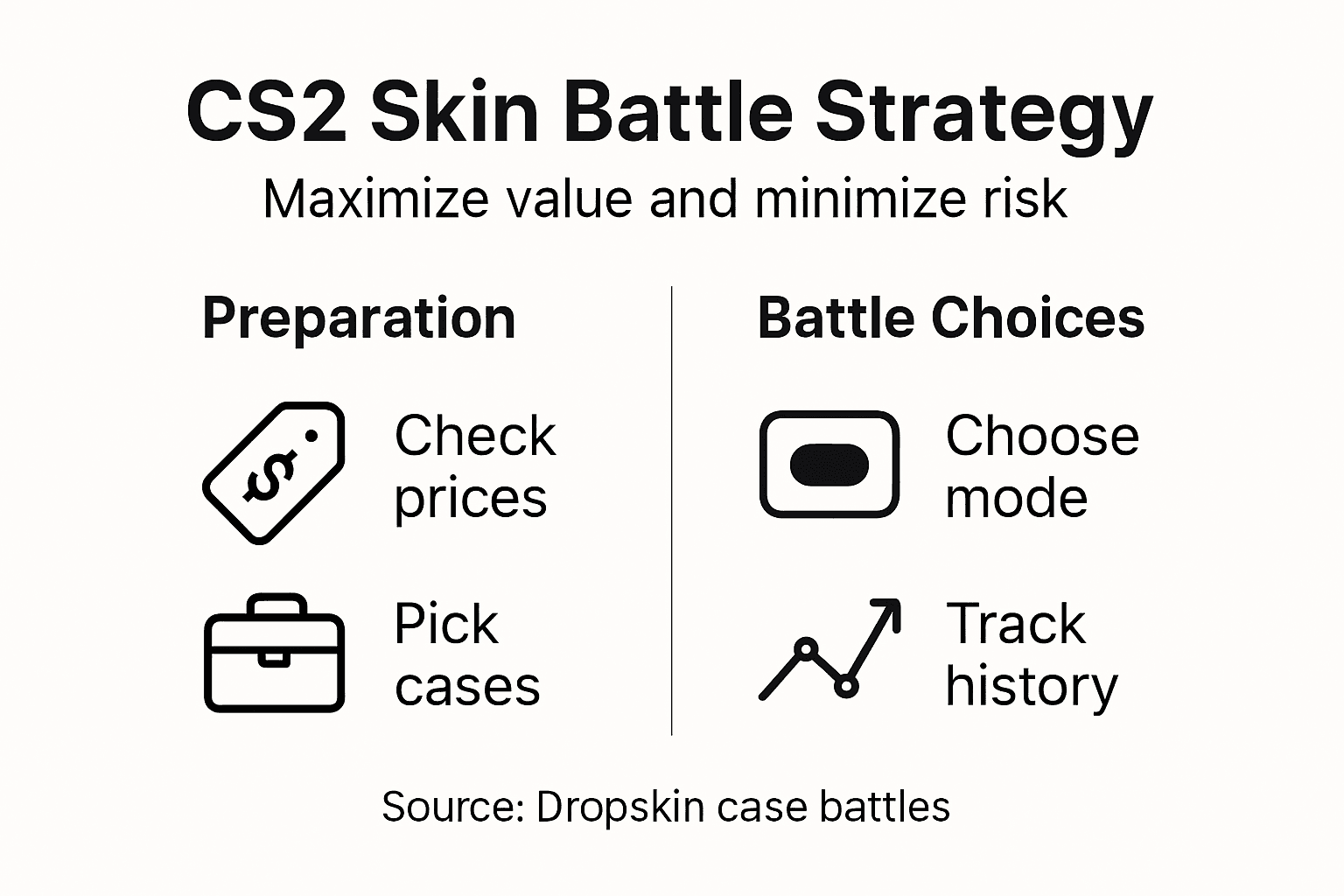
You're competing against other humans with varying levels of knowledge. Most players enter battles emotionally, chasing flashy skins or following hype. Smart players study the system and exploit these behavioral patterns.
Information-Based Advantages
You can gain edges through research and analysis:
-
Case composition knowledge: Learn which cases statistically deliver higher-value skins. Some cases have better odds than others.
-
Market trend analysis: Predicting skin price trends using historical data helps you identify undervalued skins worth battling for.
-
Timing your battles: Participate when specific skins spike in demand due to pro tournaments, major updates, or influencer hype.
-
Community monitoring: Track what experienced players are battling for. Their focus signals emerging value.
Selection and Mode Advantages
Your tactical choices matter significantly:
-
Battle mode selection: 1v1 battles reduce variance. Free-for-alls increase chaos but offer better odds if you're skilled at predicting outcomes.
-
Participant count strategy: More players mean lower probability of winning, but larger prize pools when you do win.
-
Case pairing decisions: Combine budget cases with premium ones strategically based on risk tolerance.
-
Entry timing: Avoid peak hours when emotional players flood lobbies making battles more unpredictable.
Strategic skin battles reward knowledge, patience, and emotional discipline more than they reward luck, separating profitable players from those who lose money consistently.
You can't predict individual case drops. But you can calculate expected value, identify favorable matchups, and position yourself for long-term profit. The players winning consistently are the ones thinking mathematically, not emotionally.
Pro tip: Maintain a detailed battle log tracking cases used, buy-ins, winnings, and outcomes; analyzing this data reveals patterns in which case combinations consistently generate positive returns over time.
Risks, Fairness, and Safe Participation
Skin battles carry real financial risk. You're investing actual money, and losses happen. Before entering battles, understand what can go wrong and how to protect yourself from both financial harm and platform deception.
The primary risks involve volatile skin prices, unreliable platforms, and poor personal security. Each one can wipe out your winnings or drain your collection.
Understanding the Core Risks
Multiple factors work against you:
-
Market volatility: Skin prices fluctuate daily. A $500 skin you won yesterday might be worth $350 tomorrow.
-
Platform reliability: Not all platforms operate fairly. Some use rigged algorithms or disappear with user funds.
-
Account security threats: Hackers target skin traders. Losing your account means losing your entire collection.
-
Impulsive decision-making: Battles create emotional intensity. You make worse choices when chasing losses.
-
Addiction patterns: The competitive, reward-based structure can trap players into compulsive betting.
Safeguarding Your Participation
Take these protective steps before battling:
-
Research the platform thoroughly: Check community reviews, regulatory status, and transparent mechanics documentation.
-
Verify account security: Use strong, unique passwords and enable two-factor authentication immediately.
-
Avoid third-party intermediaries: Never use middlemen for trades. They introduce scam risk.
-
Read terms and privacy policies: Understand platform fairness standards and data protection practices.
-
Set spending limits: Decide your maximum monthly loss before you start. Stick to it religiously.
-
Diversify your inventory: Don't concentrate your entire collection into one battle.
Responsible participation means treating skin battles as entertainment with a predetermined cost, not as investment or income replacement.
Losses happen. Even skilled players experience downswings. The difference between sustainable players and those who lose everything is bankroll management and emotional control. Never battle with money you can't afford to lose.
Pro tip: Separate your battle funds from your trading portfolio; maintain a dedicated battle account with only the amount you're willing to lose, keeping valuable skins completely isolated from competitive play.
Take Control of Your CS2 Skin Battles and Maximize Your Wins
The challenge of navigating the complex world of skin value, case selection, and battle strategy can feel overwhelming. You want to compete for skins that hold real market worth while avoiding impulsive losses and unreliable platforms. Dropskin.com understands these concerns and offers a secure, transparent space where you can put your market knowledge to work. Whether you prefer 1v1 duels or high-risk free-for-all battles, you have the freedom to choose stakes, cases, and opponents that match your skill and bankroll.
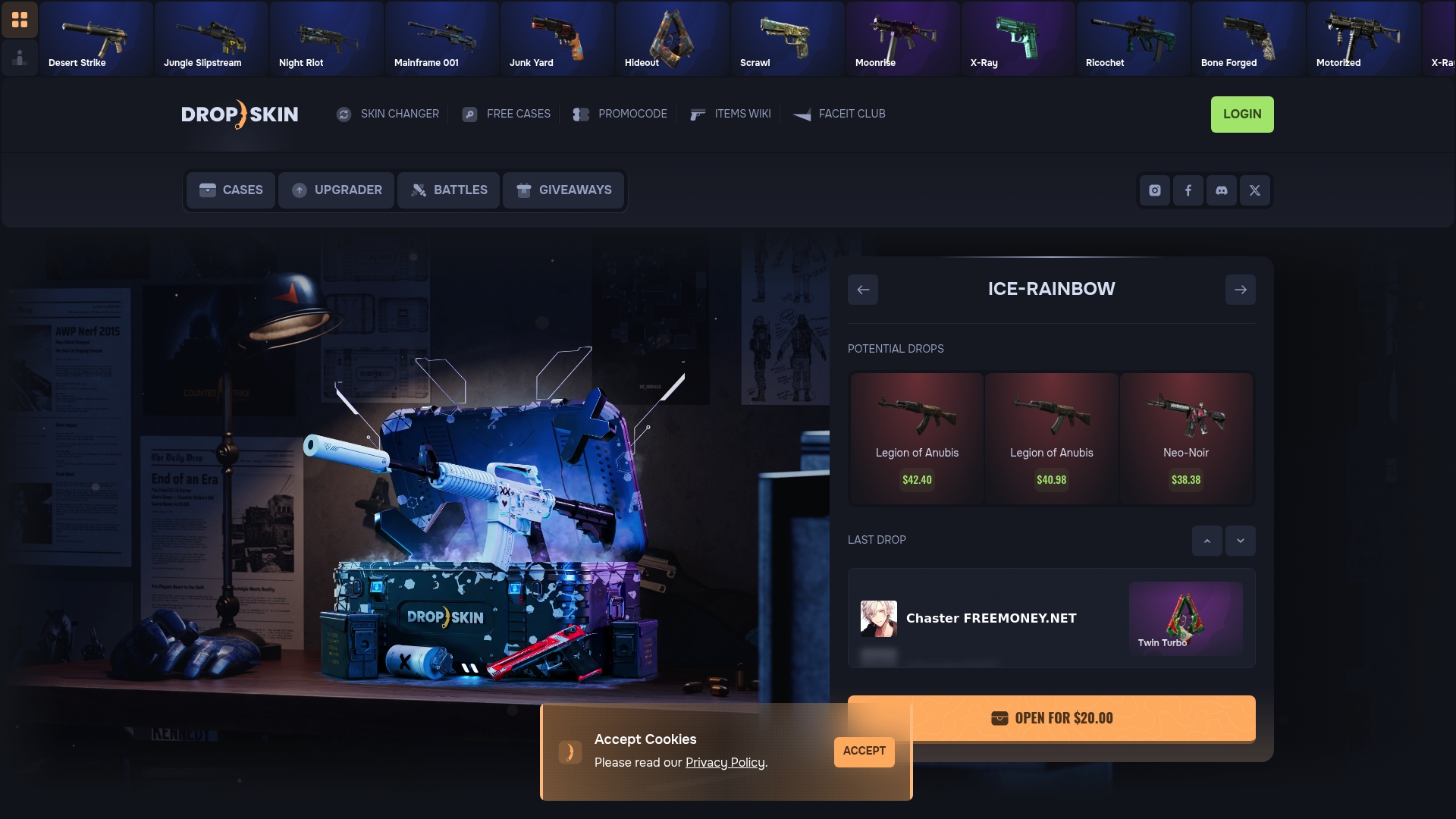
Start transforming your approach to skin battles today. Visit Dropskin for customizable battles, live case openings, and strategic gameplay that turn your skins into valuable rewards. Don’t wait for the market to change without you. Join a vibrant community focused on smart skin trading and competitive battles now at Dropskin.com and experience firsthand how thoughtful choices lead to better wins.
Frequently Asked Questions
What is the battle for skins in CS2?
The battle for skins in CS2 refers to the competitive market dynamics surrounding virtual cosmetic items, where players compete to acquire, trade, and build collections of rare skins without affecting actual gameplay mechanics.
How do skin battles work on CS2 platforms?
Skin battles operate by pooling buy-in fees from participants, opening cases simultaneously, and awarding the player with the highest total skin value at the end. It's automated and transparent, meaning outcomes are determined based on market valuations of the skins.
What factors influence the value of skins in the battle for skins?
The value of skins is influenced by rarity, collector demand, and trading mechanics. Limited supply creates high demand, while community trends can affect market prices, making some skins appreciate while others depreciate.
How can I maximize my chances of winning in skin battles?
To maximize your chances, focus on understanding case compositions, monitoring market trends for skin values, and selecting battle types that align with your skill level. Keeping a detailed battle log can also help you analyze outcomes and improve your strategy.
Recommended
- CS2 Skin Upgrader - Upgrade Skins Online | DROP.SKIN - Open CS2 Cases and Upgrade your Skins
- DROP.SKIN - Open CS2 Cases and Upgrade your Skins
- CS2 Skin Changer - Trade & Exchange Skins | DROP.SKIN - Open CS2 Cases and Upgrade your Skins
- CS2 Skins Wiki - Price Check & Database | DROP.SKIN - Open CS2 Cases and Upgrade your Skins