
Winning a clutch round in Counter-Strike is thrilling, but unlocking a rare skin can set the chat on fire. For dedicated players, skins have become more than cosmetic upgrades—they are digital collectibles with real financial stakes. With research showing that CS:GO skins can deliver average annual returns exceeding 40%, their role in trading and gambling grows more complex and rewarding. Understanding what drives skin value is vital for anyone diving into the fast-paced world of online exchanges and risk.
Table of Contents
- What Makes Skins Valuable in CS:GO and CS2
- Types of Skins and Rarity Tiers Explained
- How Skin Trading and Gambling Work Online
- Real Money Value and Market Dynamics
- Risks, Scams, and Legal Considerations
Key Takeaways
| Point | Details |
|---|---|
| Value of Skins | CS:GO and CS2 skins are digital assets with strong investment potential, often yielding returns over 40% annually. |
| Rarity and Condition | Skin value is influenced by rarity, wear condition, and aesthetic appeal, making research critical for investment. |
| Market Dynamics | The skin trading economy operates like financial markets, with prices driven by community demand and supply control from platforms like Valve. |
| Risks of Trading | Players must navigate risks such as fraud, price volatility, and legal considerations when trading or investing in skins. |
What Makes Skins Valuable in CS:GO and CS2
Counter-Strike skins represent more than just cosmetic gaming accessories - they are digital assets with complex economic dynamics. Unlike traditional game items, CS skins function as unique digital collectibles with real-world financial potential. University research shows that these virtual items can generate average annual returns exceeding 40%, outperforming traditional investments like Bitcoin and gold.
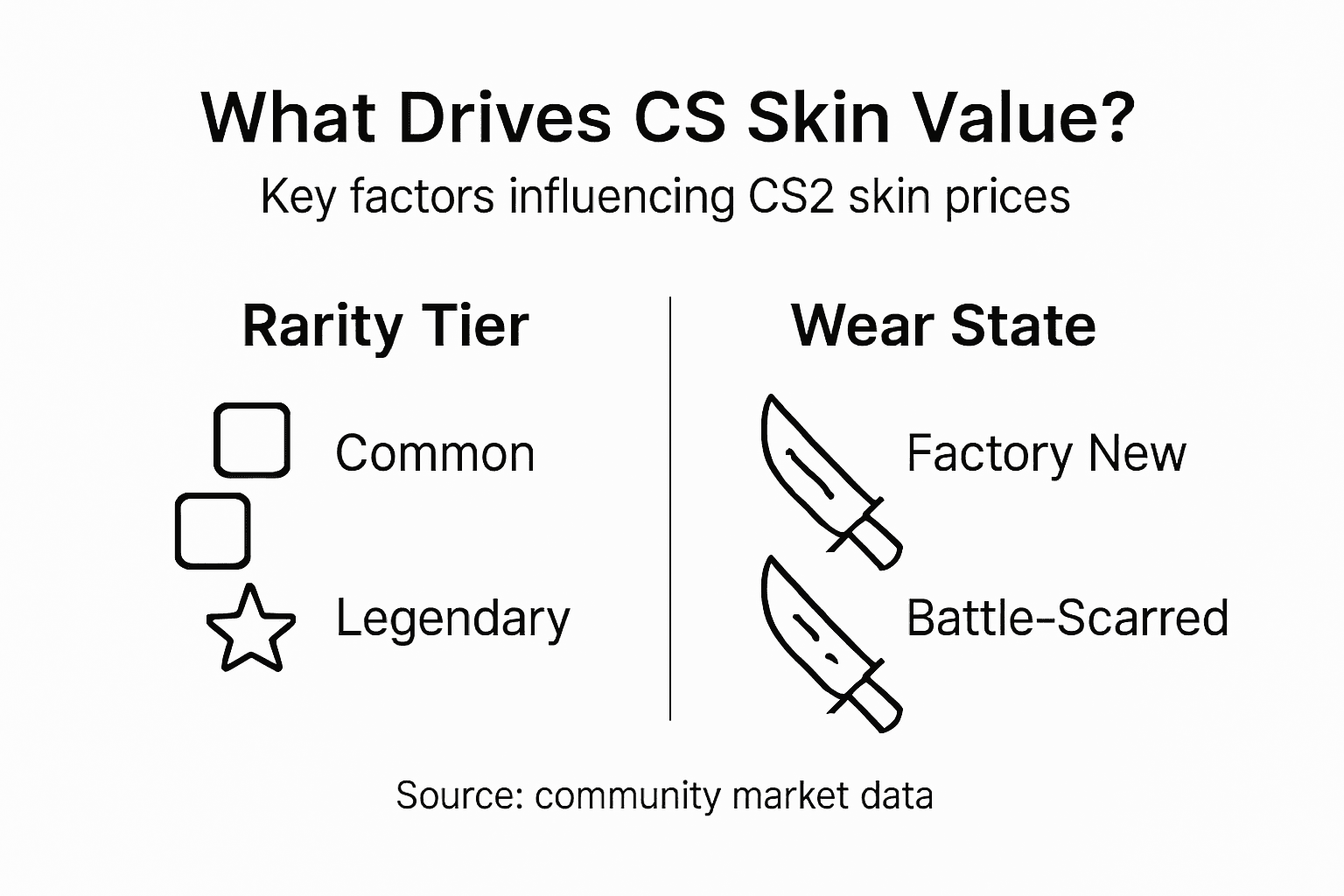
The value of CS skins stems from several critical factors:
- Rarity: Some weapon finishes are drastically more scarce than others
- Condition: Wear levels dramatically impact pricing (Factory New vs Battle-Scarred)
- Aesthetic Design: Unique visual patterns attract collector interest
- Historical Significance: Skins associated with professional tournaments or legendary players command higher prices
Beyond aesthetics, skins serve as a sophisticated microeconomy within gaming. Traders and collectors analyze skin markets like financial analysts study stock exchanges, tracking price trends, demand fluctuations, and potential investment opportunities. The community's perception and trading volume directly influence skin valuations, creating a dynamic marketplace where digital artistry meets economic speculation.
Pro tip: Always research skin market trends and verify authenticity before making significant skin investments.
Types of Skins and Rarity Tiers Explained
CS2 skins occupy a complex ecosystem of value and collectibility, characterized by intricate rarity tier systems. These digital items are not merely aesthetic upgrades but sophisticated collectibles with nuanced economic stratification.
The primary rarity tiers in Counter-Strike skins range from most common to extraordinarily rare:
- Consumer Grade (White): Most common, lowest value
- Industrial Grade (Light Blue): Slightly more uncommon
- Mil-Spec (Darker Blue): Moderate rarity
- Restricted (Purple): Significantly rarer
- Classified (Pink): High-value category
- Covert (Red): Extremely rare
- Extraordinary (Gold): Ultra-rare collector's items
- Contraband (Orange): Exceptionally unique skins
Each tier represents more than just visual differentiation - it signals potential investment value and collector desirability. The scarcity of higher-tier skins directly correlates with their market price, with Covert and Extraordinary skins often commanding premium values among serious collectors and traders.
Here's a summary comparison of main CS:GO/CS2 skin rarity tiers:
| Rarity Tier | Color Code | Average Market Value | Collector Appeal |
|---|---|---|---|
| Consumer Grade | White | Very low, often minimal | Suitable for beginners |
| Mil-Spec | Dark Blue | Low to moderate | Entry-level collectibles |
| Restricted | Purple | Moderate to high | Popular among active traders |
| Covert | Red | High to premium | Highly sought by investors |
| Extraordinary | Gold | Premium, top-market | Ultimate prestige collectibles |
| Contraband | Orange | Rare and variable | Special interest, limited supply |
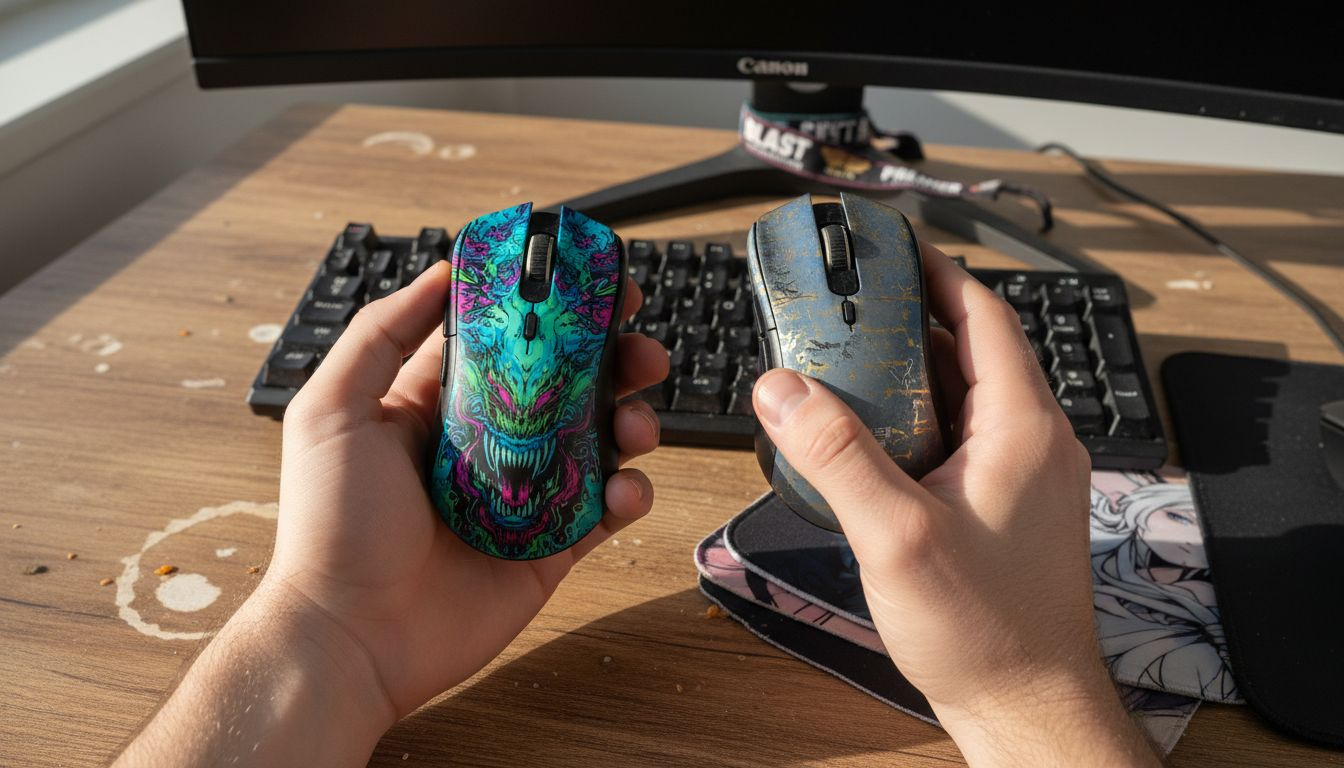
Wear conditions further complicate skin valuations, ranging from Factory New (pristine condition) to Battle-Scarred (heavily worn), which can dramatically impact a skin's market price. Experienced traders meticulously analyze these nuanced factors to identify undervalued or potentially appreciating digital assets.
The following table highlights how wear condition affects key aspects of skin investment:
| Wear Condition | Visual Appearance | Market Price Impact | Investment Potential |
|---|---|---|---|
| Factory New | Pristine, no wear | Highest price, strong demand | Optimal for long-term holding |
| Minimal Wear | Slight surface marks | Slightly reduced price | Attractive for affordability |
| Field-Tested | Noticeable wear | Moderate price, mid-demand | Common in mid-tier trading |
| Well-Worn | Heavy wear, faded | Lower price, niche demand | Best for budget collectors |
| Battle-Scarred | Major scratches | Lowest price, limited appeal | Riskier for value appreciation |
Pro tip: Always examine multiple factors like rarity tier, wear condition, and market trends before investing in CS2 skins.
How Skin Trading and Gambling Work Online
The Counter-Strike skin economy represents a complex digital marketplace where virtual assets trade like financial instruments. Unlike traditional game items, these digital skins have transformed into sophisticated tradable commodities with real economic significance, blending gaming culture with speculative markets.
Skin trading platforms operate through several primary mechanisms:
- Direct Marketplace Exchanges: Player-to-player trading platforms
- Third-Party Gambling Sites: Chance-based game betting
- Esports Match Betting: Wagering skins on competitive match outcomes
- Auction Systems: Bidding for rare or high-value skins
- Skin Upgrade Platforms: Risking lower-value skins for potential higher-tier items
Unregulated gambling environments have significantly shaped the skin trading ecosystem. These platforms leverage psychological mechanisms like anticipation and risk-taking, creating intricate economic dynamics that extend far beyond simple cosmetic exchanges. Players can stake skins on games mimicking traditional gambling formats such as roulette, coin flip, and other chance-based competitions.
The regulatory landscape remains complex, with game developers like Valve attempting to restrict uncontrolled gambling while simultaneously maintaining an open marketplace. This delicate balance has created sophisticated underground trading networks that continue to evolve, driven by player demand and the inherent value of digital collectibles.
Pro tip: Always verify the reputation and security of trading platforms before engaging in skin exchanges or gambling activities.
Real Money Value and Market Dynamics
The Counter-Strike skin market represents a sophisticated digital economy with billions in market capitalization. These digital assets have transcended traditional gaming boundaries, emerging as legitimate investment vehicles with complex valuation mechanisms driven by scarcity, community demand, and speculative trading.
Key factors influencing skin market dynamics include:
- Rarity: Limited edition and discontinued skins command premium prices
- Condition: Wear levels significantly impact monetary value
- Historical Significance: Skins associated with legendary matches or players increase in worth
- Esports Influence: Professional tournament connections boost collectible value
- Supply Control: Valve's strategic case drop rates maintain market equilibrium
The economic ecosystem surrounding CS2 skins operates much like traditional financial markets. Rare skins can appreciate in value similar to collectible art or limited-edition merchandise, with some exceptional items reaching thousands of dollars. Traders and collectors meticulously track market trends, analyzing price movements, trading volumes, and potential investment opportunities.
Valve has strategically positioned itself to benefit from this marketplace, generating substantial revenue through key sales and transaction fees. The company's controlled supply mechanism ensures ongoing market stability while maintaining player engagement and speculative interest.
Pro tip: Research historical price trends and verify skin authenticity before making significant financial investments in digital assets.
Risks, Scams, and Legal Considerations
The Counter-Strike skin ecosystem contains significant potential hazards that players must carefully navigate. Market risks challenge digital asset trading across multiple dimensions, requiring sophisticated understanding and proactive risk management strategies.
Common risks in the skin trading landscape include:
- Fraudulent Platforms: Unverified trading sites with predatory practices
- Price Volatility: Dramatic market value fluctuations
- Scam Techniques: Phishing, fake trade offers, and impersonation
- Account Theft: Potential unauthorized access and item loss
- Regulatory Uncertainty: Inconsistent legal frameworks across jurisdictions
Valve has implemented multiple protective measures to mitigate potential abuse, but the decentralized nature of skin trading creates inherent challenges. Players must remain vigilant, understanding that digital assets lack traditional consumer protection mechanisms. The complexity of skin trading requires comprehensive due diligence, including thorough platform verification and understanding of potential legal implications.
Jurisdictional variations create additional complexity, with gambling and trading regulations differing significantly between countries. Some regions classify skin trading as a form of gambling, while others treat it as a digital goods exchange, creating a sophisticated legal landscape that demands careful navigation.
Pro tip: Always use two-factor authentication and verify platform reputation before engaging in any skin trading activities.
Unlock the Full Potential of Your CS Skins with Dropskin.com
Understanding why skins hold immense value is only the first step. The real challenge lies in turning that knowledge into action while navigating the complexities of rarity tiers, wear conditions, and market dynamics. Whether you want to enhance your collection or transform modest skins into coveted treasures, Dropskin.com offers the perfect blend of skin trading and gambling tailored for CS:GO and CS2 gamers.
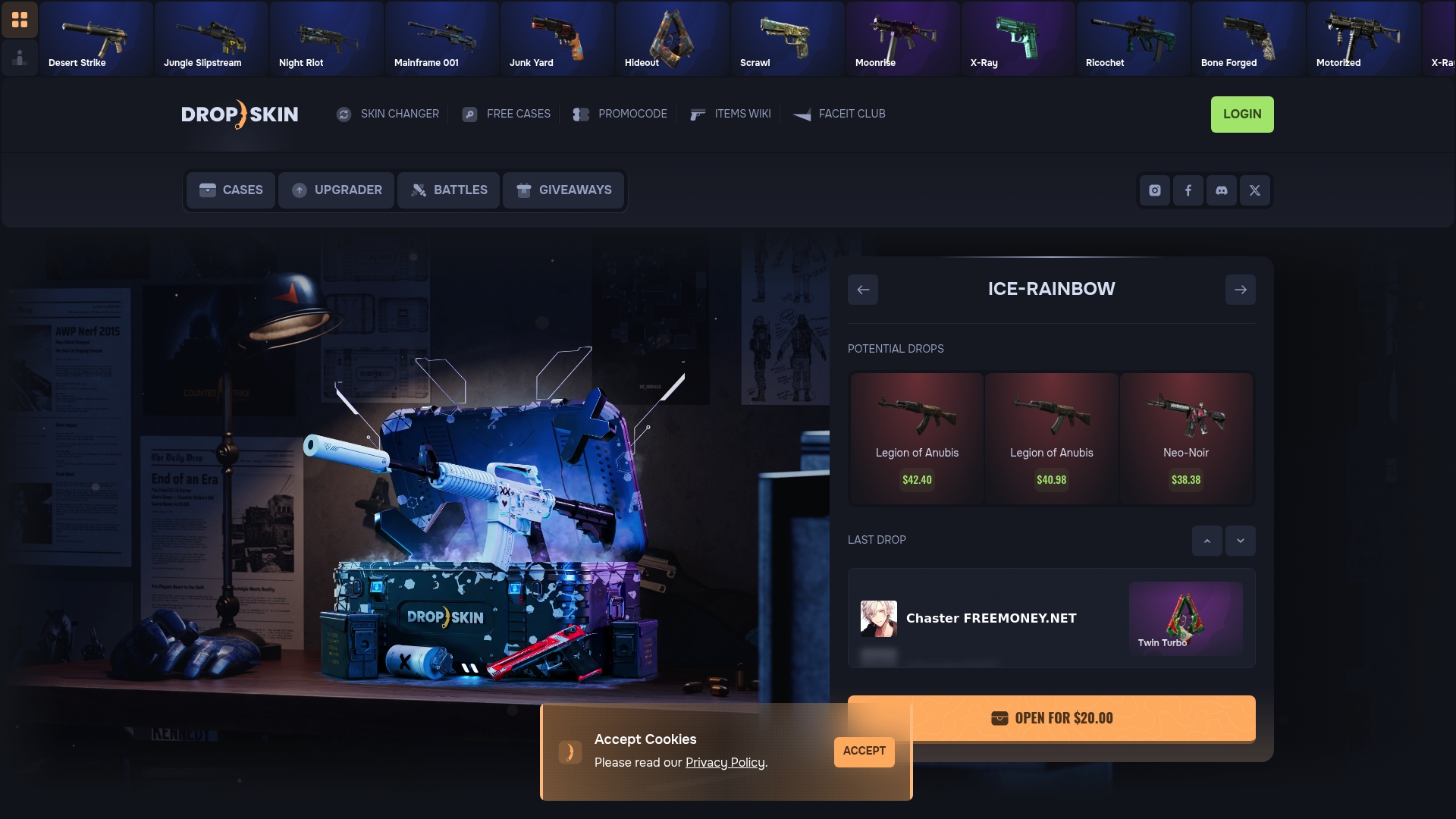
Dive into custom battle matches where you choose your skins and stakes to compete for exciting rewards. Explore extensive case openings, skin upgrades, and changers designed to elevate your gaming experience. Don't miss the chance to participate in giveaways and promo code offers that make acquiring premium skins more affordable. Ready to take control of your skin journey and play smart? Visit Dropskin.com now and experience how digital assets become thrilling investments through entertainment-driven skin betting and trading.
Frequently Asked Questions
What factors determine the value of CS:GO and CS2 skins?
The value of CS skins is influenced by several key factors, including rarity, condition, aesthetic design, and historical significance.
How does the wear condition of a skin affect its market price?
Wear condition significantly impacts a skin's price; Factory New skins are valued the highest, while Battle-Scarred skins tend to be the least valuable due to visible wear and tear.
What are the different rarity tiers for CS skins?
CS skins are categorized into various rarity tiers, including Consumer Grade, Industrial Grade, Mil-Spec, Restricted, Classified, Covert, Extraordinary, and Contraband, with each tier affecting potential investment value.
How do trading and gambling impact the skin economy in CS:GO and CS2?
Trading and gambling create a complex digital marketplace where skins function as tradable commodities. These activities influence pricing, demand, and overall market dynamics.