TL;DR:
- Building clear, layered community rules and combining real-time AI and human moderation promote a respectful and safe gaming environment. Encouraging player wellness habits and strong account security practices helps retain long-term community members and prevents breaches. Empowering community champions with formal roles reduces toxicity and enhances trust during challenging situations.
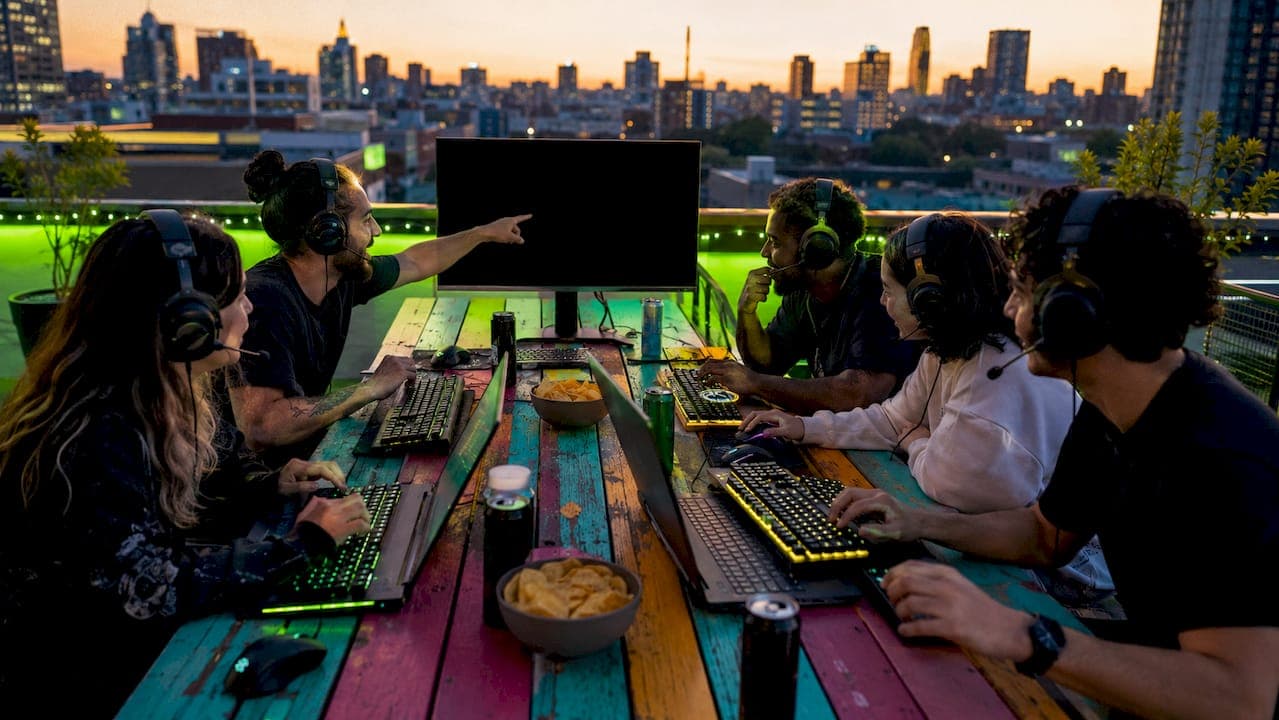
Gaming community best practices are the core guidelines that determine whether an online space builds players up or burns them out. Platforms like Discord, Steam Community, and Reddit host millions of active gaming communities, and the difference between a toxic server and a thriving one comes down to how consistently these practices are applied. Clear communication rules, real-time moderation, player wellness habits, and account security are not optional extras. They are the infrastructure that keeps communities alive and growing.
1. What are the top gaming community best practices for communication?
Clear, publicly posted community rules are the single most important foundation for any gaming community. Without them, moderation becomes inconsistent and player trust erodes fast. Rules that are vague force moderators to debate their own application, which signals to players that enforcement is arbitrary.
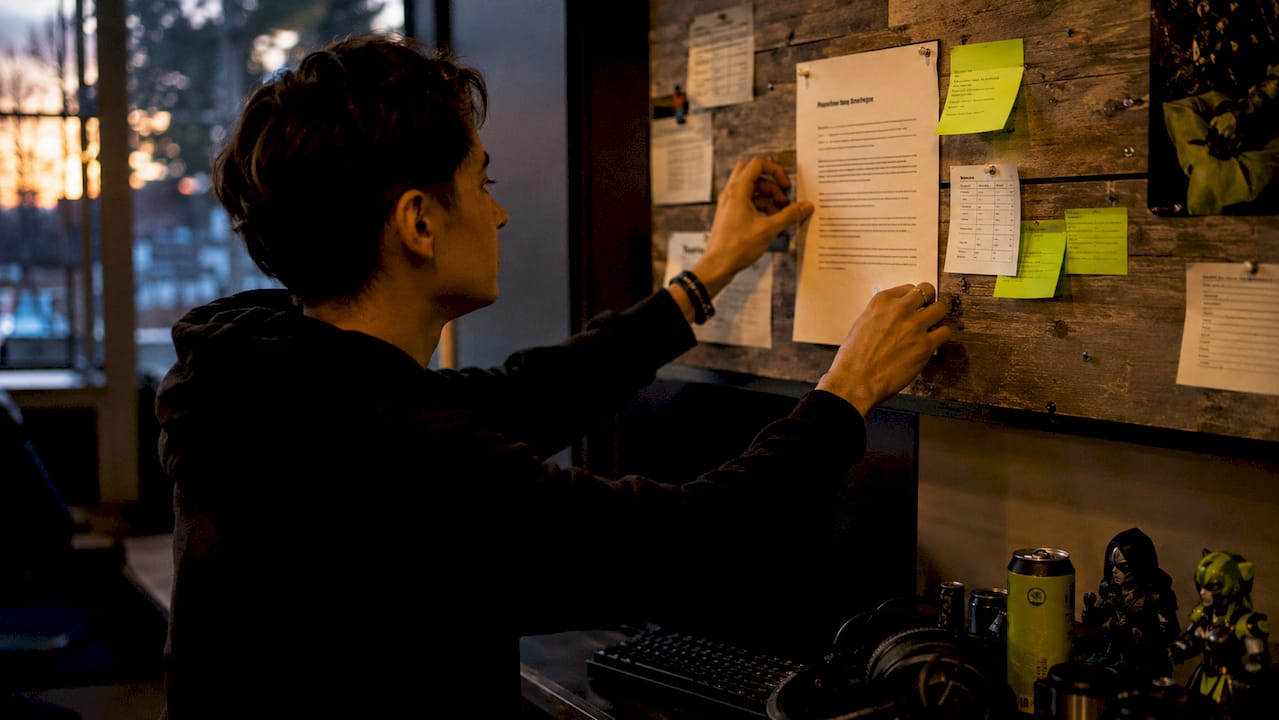
The most effective rule structures use three layers. First, universal conduct standards that apply to every member regardless of platform. Second, platform-specific notes that address behavior unique to Discord voice channels, Steam forums, or in-game chat. Third, enforcement notes that spell out exactly what happens after a first offense, a second offense, and a ban.
Transparent communication from community leaders builds the kind of trust that retains players long term. Framing server outages, balance patches, or moderation decisions as learning opportunities rather than failures keeps the tone constructive. Consistent, transparent communication reduces toxicity more reliably than any single rule.
Pro Tip: Run a monthly community update post and a short Q&A session in your Discord. Players who feel heard are far less likely to act out.
2. How to implement effective moderation using AI and human judgment
Combining AI detection tools with human moderators produces the best moderation outcomes. AI catches high-volume, pattern-based violations like slurs and spam in real time. Human moderators handle context-dependent situations that automated systems misread.
Real-time moderation during active sessions is non-negotiable. Most community damage happens during live play, not in post-session reviews. A moderator who responds hours later is responding to a community that has already shifted in tone.
Posting banned behaviors publicly, with explicit consequences, removes ambiguity for both players and moderators. If a rule cannot be applied consistently, it needs revision or removal. Vague rules do not protect the community. They protect bad actors who exploit gray areas.
Protecting moderators is as important as protecting players. Moderator burnout causes loss of institutional knowledge, which destabilizes the entire community's standards over time.
Rotating moderator schedules, providing clear escalation paths, and recognizing moderator contributions publicly all reduce burnout. A well-supported moderation team is a direct investment in community longevity.
3. What health and ergonomic practices should gaming communities encourage?
Physical and mental health are competitive advantages, not afterthoughts. Elite pro gamers build structured exercise and recovery routines into their daily schedules the same way they build in practice hours. Communities that normalize these habits retain players longer and see better performance across the board.
Structured gaming sessions of 1–3 hours with breaks every 30–60 minutes maintain cognitive performance and prevent burnout. Playing in 60–90 minute blocks followed by short breaks, combined with 8 or more hours of sleep, is the evidence-backed standard.
Here are the core ergonomic and wellness recommendations every gaming community should share with its members:
- Set your monitor at eye level to reduce neck strain.
- Sit with your back supported and feet flat on the floor.
- Apply the 20-20-20 rule: every 20 minutes, look at something 20 feet away for 20 seconds.
- Keep water at your desk and drink consistently throughout each session.
- Eat a light meal before long sessions rather than gaming on an empty stomach.
- Do a 2-minute stretch between sessions targeting wrists, shoulders, and neck.
Pro Tip: Pin a wellness reminder in your community server. A simple weekly post about breaks and hydration signals that your community values its members as people, not just players.
4. What cybersecurity best practices protect gaming community members?
Account security is the most overlooked area in gaming community guidelines. A single compromised account can expose personal data, payment details, and the broader community to phishing attacks. Strong, unique passwords of 12 or more characters combined with a dedicated gaming email address are the baseline.
Every gaming community should actively promote these security habits:
- Use a separate email address exclusively for gaming accounts to contain any breach.
- Use virtual or prepaid cards for in-game purchases to isolate your financial exposure.
- Set profile visibility to friends-only as the default privacy setting.
- Update your router's firmware regularly. A compromised router puts every device on your network at risk, not just your gaming PC.
- Use an authenticator app like Google Authenticator or Authy instead of SMS-based multi-factor authentication. SMS MFA is vulnerable to SIM-swapping attacks, which are increasingly common in gaming communities.
Security education belongs in your community's onboarding flow. New members who learn these habits early are far less likely to become attack vectors for the wider group. For more on staying safe while trading skins, the safe skin trading guide from Dropskin covers the CS2-specific risks in detail.
5. How do community champions improve gaming community health?
Empowering community champions with formal roles transforms regular players into respected stakeholders. This shift reduces toxicity because players with recognized status have something to protect. They become advocates for the community rather than critics of it.
Formalizing champion roles means giving them early access to updates, direct communication channels with developers or community managers, and visible status indicators in the community space. These are not perks. They are tools that make champions effective.
| Informal player | Community champion |
|---|---|
| No formal recognition | Named role with visible badge or tag |
| Reacts to problems | Flags issues before they escalate |
| Limited developer access | Direct channel to community managers |
| Peer influence only | Trusted voice in official communications |
Champions also smooth communication during difficult moments. When a game update is unpopular or a moderation decision is contested, a champion who already has community trust can explain the reasoning in terms players accept. That function is worth more than any automated announcement. Dropskin's own community approach reflects this, as explored in the piece on community-driven success in CS2 skin trading.
Key takeaways
Building a healthy gaming community requires consistent rules, real-time moderation, player wellness habits, strong account security, and empowered community members working together.
| Point | Details |
|---|---|
| Post layered community rules | Cover universal conduct, platform specifics, and enforcement consequences to prevent ambiguity. |
| Combine AI and human moderation | AI handles volume; humans handle context. Both are needed for real-time community health. |
| Promote player wellness habits | Structured breaks, ergonomic setups, and the 20-20-20 rule protect long-term engagement. |
| Enforce account security standards | Dedicated emails, authenticator apps, and virtual cards reduce breach risk significantly. |
| Formalize community champion roles | Recognized player leaders reduce toxicity and improve trust during difficult community moments. |
Dropskin's take on what actually builds lasting communities
The communities I have seen thrive long term share one trait: they treat safety and trust as infrastructure, not as damage control. Most community managers react to problems. The ones who build something lasting build systems before the problems arrive.
Moderator health is the piece most communities ignore until it is too late. When a moderator burns out and leaves, they take years of context with them. The community does not just lose a volunteer. It loses the institutional memory that kept standards consistent. Investing in moderator rotation, recognition, and clear escalation paths is not a luxury. It is how you keep quality from degrading over time.
The health angle surprises people. But the data from esports medicine is clear: physical wellness directly affects cognitive performance. Communities that normalize breaks, hydration, and ergonomic habits are not being soft. They are building players who last. A player who burns out in six months is not a community member. They are a churn statistic.
The proactive approach applies to security too. Posting a security guide once during onboarding is not enough. Regular reminders, pinned resources, and community-wide conversations about account safety create a culture where players protect each other. That culture is what separates a community from a server.
— Dropskin
Dropskin: safe CS2 skin upgrades for community-minded players
Dropskin applies the same principles covered in this guide to its own platform. Security, transparency, and community engagement are built into how the site operates, not added as features.
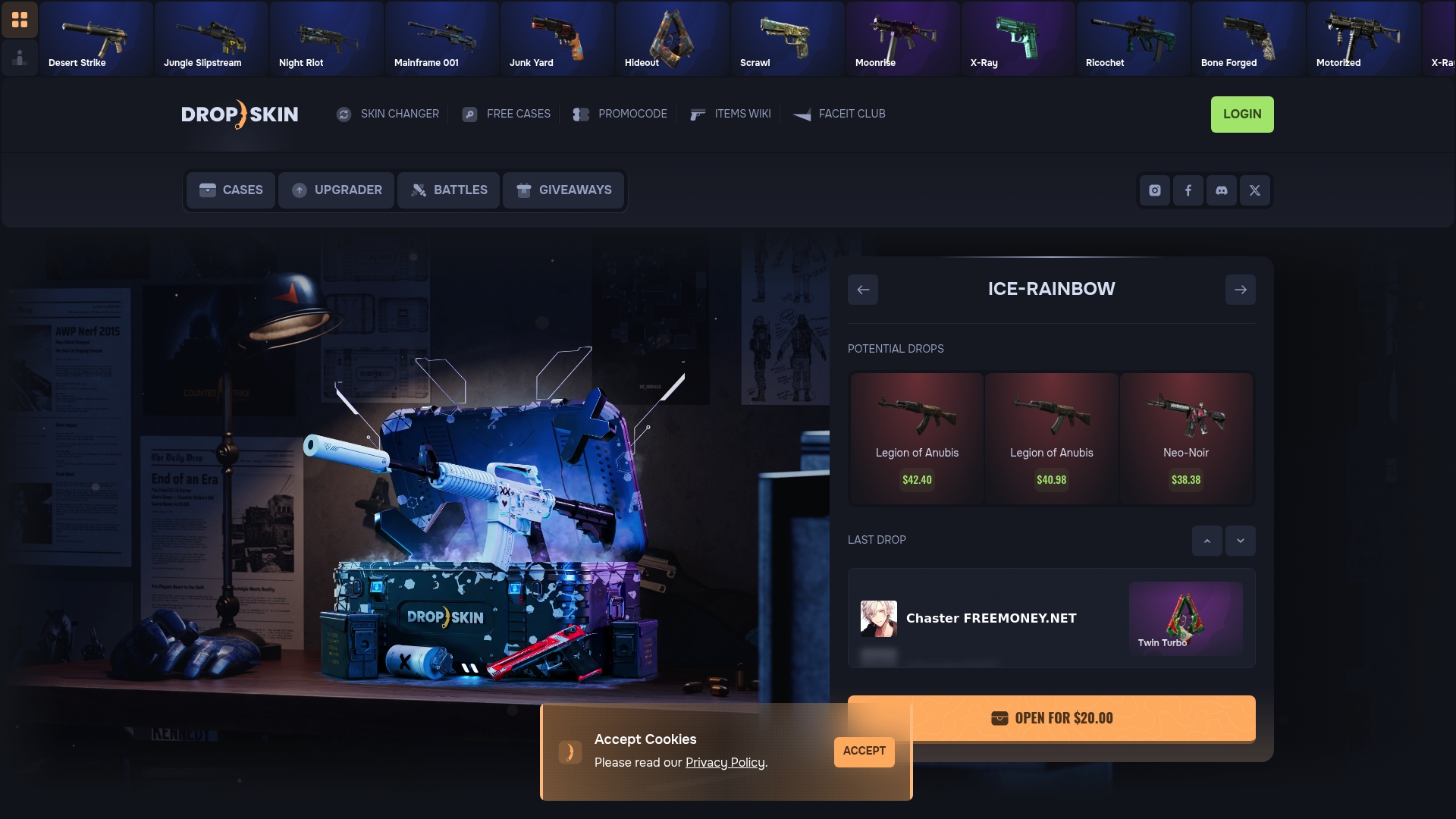
Dropskin offers CS2 case openings and skin upgrades with clear mechanics, giveaways, and promo codes that reward active community members. The skin upgrader lets you turn lower-value skins into premium ones through a transparent process. Players who follow safe skin gambling practices and account security habits will find Dropskin's setup aligns with those standards. Check out the CS2 skin upgrader to see how the platform handles upgrades with the kind of clarity that good community practice demands.
FAQ
What are gaming community best practices?
Gaming community best practices are the guidelines that govern communication, moderation, player wellness, and account security within online gaming spaces. They create consistent, respectful environments that retain players and reduce toxicity.
How do you build a positive gaming community?
Post clear, layered rules, combine AI and human moderation, and empower community champions with formal roles. Transparent communication from leaders is the single most effective trust-building tool.
What is the best way to handle toxic behavior in gaming communities?
Post banned behaviors publicly with explicit consequences, and respond in real time during active sessions. Vague rules and delayed responses allow toxicity to spread before it is addressed.
How often should gamers take breaks?
Gaming sessions of 1–3 hours with a break every 30–60 minutes maintain cognitive performance and prevent burnout. The 20-20-20 rule also reduces eye strain during longer sessions.
What security steps should every gamer take?
Use a dedicated gaming email, a 12-plus character unique password, and an authenticator app like Google Authenticator or Authy. Set your profile to friends-only and keep your router firmware updated to protect all connected devices.