You buy a flashy skin, watch its price drop, and realize you just lost money. Many gamers fall into this trap because they pick skins based on hype instead of strategy. Successful skin selection requires understanding rarity tiers, condition grades, market timing, and risk management. This guide teaches you exactly how to pick winning skins that maximize value and minimize losses in CS:GO and CS2.
Table of Contents
- Prerequisites: What You Need Before You Start
- Essential Tools Checklist
- Skin Rarity Tier Overview
- Understanding Skin Condition And Rarity
- Condition Impact On Value
- Float Value Importance Table
- Market Timing And Trend Analysis
- Timing Strategies To Maximize Returns
- Using Trade-Up Contracts To Maximize Value
- Steps For Successful Trade-Up Contracts
- Trade-Up Contract Outcome Probabilities
- Risk Management And Gambling Safety
- Safe Gambling Practices
- Tools And Calculators To Improve Picking Accuracy
- Common Mistakes And How To Avoid Them
- Expected Results And Outcomes
- Elevate Your Skin Trading And Upgrading With DROP.SKIN
- Frequently Asked Questions
Key takeaways
| Point | Details | |-------|---------|| | Skin condition and rarity | Factory New and Minimal Wear skins retain 70-90% higher value than worn conditions. | | Market timing matters | Weekly liquidity swings and esports cycles create 15% price variations you can exploit. | | Trade-up contracts | Strategic input selection boosts your odds of landing valuable higher-tier skins. | | Risk management essential | Setting strict limits and avoiding scam sites prevents the 80% loss rate from impulse gambling. | | Use data tools | Float inspectors and trade-up calculators enable informed, profitable skin decisions. |
Prerequisites: what you need before you start
Before diving into skin selection strategies, you need foundational knowledge and the right tools. Understanding how skin systems work prevents expensive mistakes right from the start.
First, learn the skin rarity hierarchy. Skins fall into tiers like Consumer Grade, Industrial Grade, Mil-Spec, Restricted, Classified, and Covert. Higher tiers generally mean higher value and rarity. Next, grasp skin condition basics. Every skin has a float value between 0 and 1 that determines its wear level, from Factory New to Battle-Scarred.
You also need access to reliable marketplaces. Steam Community Market is the official hub, but third-party platforms offer better liquidity and features. Create accounts on platforms like Dropskin.com for interactive trading, case openings, and skin upgrades. These tools give you hands-on experience with real market dynamics.
Familiarize yourself with trade-up contracts. These let you exchange ten skins of the same rarity for one skin of the next tier up. Knowing how trade-ups work helps you spot undervalued skins perfect for upgrading. Finally, understand gambling risks. Many traders lose skins through impulsive bets without assessing value or odds. Setting up accounts and learning these basics prepares you to make smart, profitable decisions.
Pro Tip: Before buying any skin, check multiple marketplaces to compare prices and verify authenticity. Price gaps between platforms can reveal arbitrage opportunities or warning signs of scams.
Essential tools checklist
- Steam account with trading enabled
- Marketplace accounts on trusted platforms like Dropskin.com
- Float value inspector browser extension
- Trade-up contract calculator
- Market price tracking tool or website
Skin rarity tier overview
| Rarity Tier | Approximate Drop Rate | Typical Value Range |
|---|---|---|
| Consumer Grade | ~80% | $0.03 to $0.50 |
| Industrial Grade | ~16% | $0.10 to $2.00 |
| Mil-Spec | ~3% | $0.30 to $10.00 |
| Restricted | ~0.6% | $1.00 to $50.00 |
| Classified | ~0.3% | $5.00 to $200.00 |
| Covert | ~0.06% | $20.00 to $5,000+ |
Understanding skin condition and rarity
Skin condition dramatically impacts both appearance and market value. The condition is determined by a float value, a decimal number between 0.00 and 1.00. Lower float values mean better condition and fewer visible scratches or wear marks.
Condition grades break down into five categories. Factory New skins have float values from 0.00 to 0.07 and look pristine. Minimal Wear ranges from 0.07 to 0.15 with minor scratches. Field-Tested spans 0.15 to 0.38, showing noticeable wear. Well-Worn covers 0.38 to 0.45 with significant damage. Battle-Scarred skins range from 0.45 to 1.00 and display heavy wear. Skins with Factory New or Minimal Wear condition typically retain 70-90% higher market value than worse conditions.
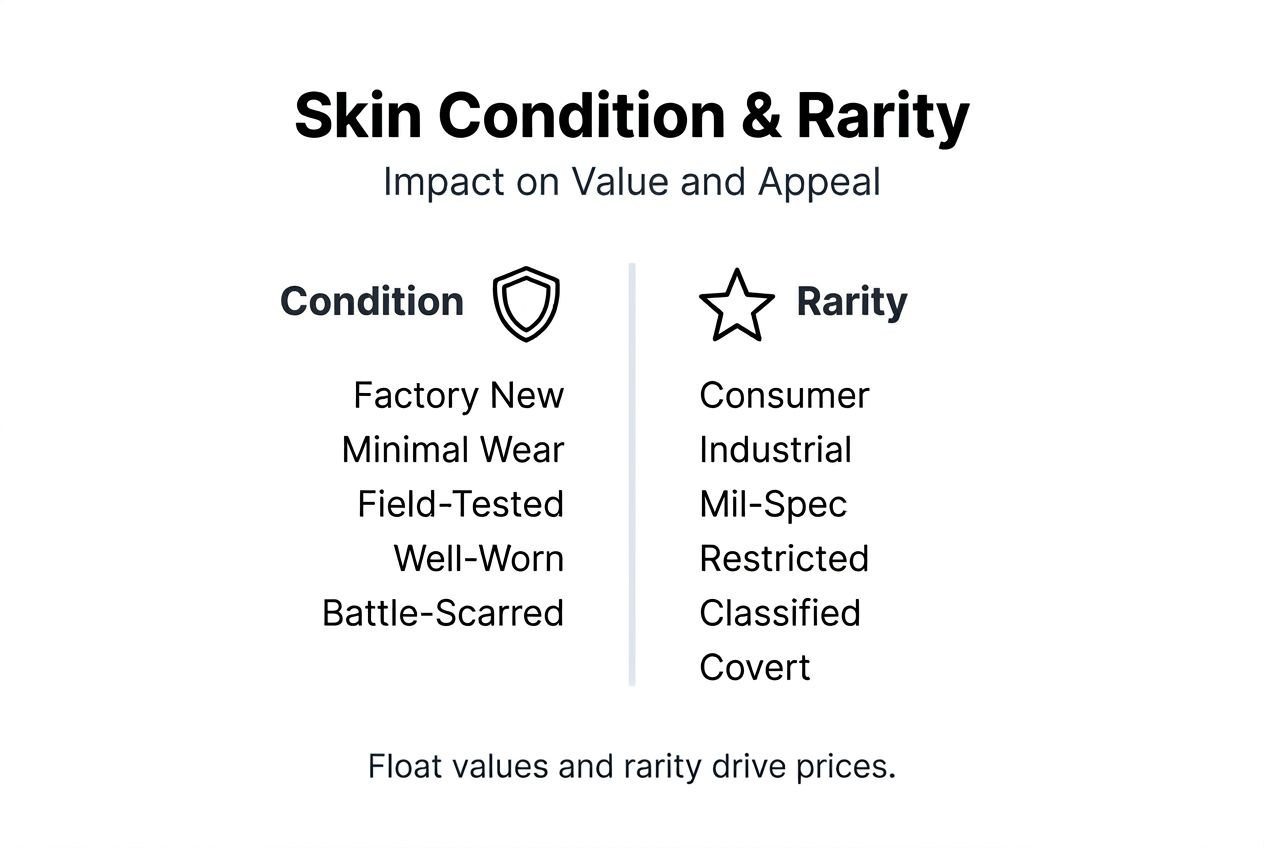
Rarity tiers create a value hierarchy independent of condition. Covert skins are the rarest and most expensive, while Consumer Grade skins are common and cheap. This rarity affects long-term demand. A Covert skin in Field-Tested condition often costs more than a Classified skin in Factory New condition because rarity drives collector interest.
Understanding the difference between CS:GO and CS2 skins also matters. CS2 introduced visual updates that changed how some skins look, affecting their appeal and value. Always check both condition and rarity before buying. A rare skin in poor condition might still beat a common skin in perfect shape, but optimal picks balance both factors.
Pro Tip: Target skins with float values in the lower third of their condition range. A Factory New skin with 0.01 float looks much better than one at 0.06, yet both sell under the same grade label, giving you better visual quality for similar money.
Condition impact on value
- Factory New skins command premium prices due to flawless appearance
- Minimal Wear offers strong value retention with barely visible wear
- Field-Tested provides budget entry but limits resale profit margins
- Well-Worn and Battle-Scarred rarely appreciate and face low liquidity
Float value importance table
| Float Range | Condition Grade | Market Demand | Resale Ease |
|---|---|---|---|
| 0.00 to 0.07 | Factory New | Very High | Excellent |
| 0.07 to 0.15 | Minimal Wear | High | Good |
| 0.15 to 0.38 | Field-Tested | Moderate | Fair |
| 0.38 to 0.45 | Well-Worn | Low | Poor |
| 0.45 to 1.00 | Battle-Scarred | Very Low | Difficult |
Market timing and trend analysis
Buying and selling at the right moment can boost profits by 15% or more. CS:GO and CS2 skin markets fluctuate based on predictable cycles and events. Learning to read these patterns gives you an edge over casual traders.
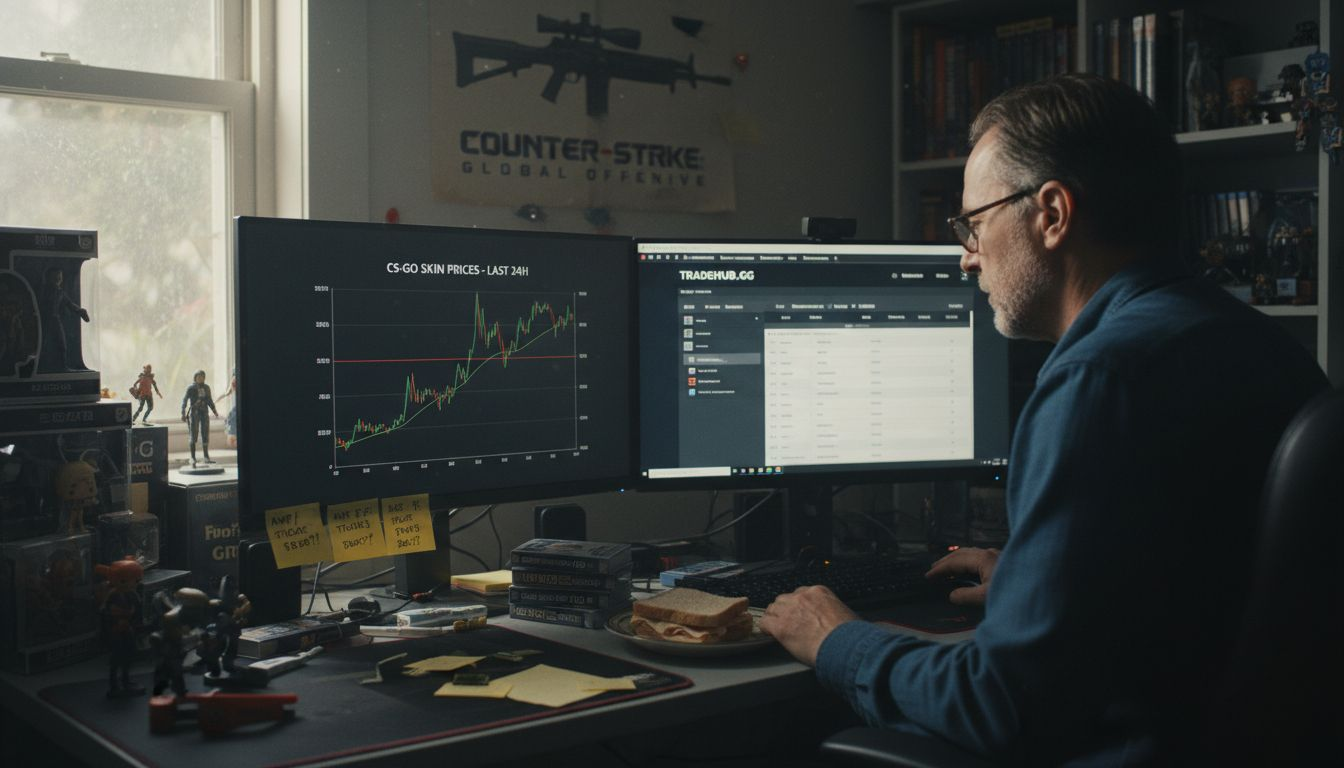
Esports tournament cycles create price spikes. Major championships drive viewership and renewed interest in the game, increasing skin demand. Prices often rise in the weeks leading up to major events, then dip afterward as hype fades. Smart traders buy during post-event lulls and sell before the next big tournament.
Weekly liquidity patterns also affect prices. Market activity peaks on weekends when more players are online and trading. Mid-week typically sees lower volume and slightly better buying opportunities. Tracking key market trends for 2026 helps you anticipate these swings.
Seasonal events like Operation releases or holiday sales inject new case drops into the economy. New cases temporarily deflate older skin prices as players chase fresh content. You can buy discounted older skins during these windows and resell once demand stabilizes. Understanding what drives CS2 skin values lets you predict which skins will recover fastest.
Use market analytics platforms to track price history and volume. Websites that graph 30-day price trends reveal whether a skin is trending up or down. Avoid buying skins at all-time highs. Wait for corrections or dips to enter positions with lower risk.
Pro Tip: Set price alerts on your target skins using marketplace notification tools. When a skin hits your buy threshold, you'll get notified immediately, letting you capitalize on temporary price drops before the market corrects.
Timing strategies to maximize returns
- Buy during post-major tournament dips when demand cools
- Sell in the week before major events when hype peaks
- Target mid-week purchases for lower competition and better prices
- Avoid buying during Operation launches when older skins deflate
- Monitor esports calendars to anticipate demand cycles
Using trade-up contracts to maximize value
Trade-up contracts let you exchange ten skins from the same rarity tier for one skin from the next tier up. This mechanic offers a structured way to upgrade cheap skins into more valuable ones, but success requires strategic input selection.
The game randomly selects your output skin from the possible results of the ten input skins. If your inputs come from collections with high-value target skins, you improve your odds of landing something profitable. For example, using ten Mil-Spec skins from a collection containing expensive Restricted skins increases your chance of a valuable outcome.
Float value averaging also matters. The output skin's float is calculated as the average of your ten input floats. To get a Factory New result, use ten Factory New inputs with low float values. Mixing conditions produces unpredictable results and often worse output quality.
Trade-up contracts carry inherent risk. The odds heavily favor common outcomes, with only about 10% chance of hitting the most valuable skin in the target pool. Many traders lose money by rushing contracts without calculating expected value. Use trade-up calculators to model outcomes before committing skins.
Patience pays off. Don't dump all your inventory into trade-ups hoping for instant profit. Instead, identify high-value targets, buy inputs during price dips, and execute contracts when math favors positive expected value. Treat trade-ups as calculated investments, not lottery tickets.
Pro Tip: Focus on trade-up contracts with small target pools. The fewer possible output skins, the higher your chance of landing the valuable one you're targeting, improving your overall expected return.
Steps for successful trade-up contracts
- Research collections with valuable Restricted or Classified skins as targets
- Calculate expected value using a trade-up calculator to ensure positive odds
- Buy ten identical-rarity input skins with tight float ranges during market dips
- Verify all inputs come from collections containing your target skin
- Execute the contract and track results to refine future selections
- Sell output skins quickly if profitable, or hold if market timing favors waiting
Trade-up contract outcome probabilities
| Input Rarity | Output Rarity | Approximate Success Rate for Top-Tier Outcome |
|---|---|---|
| Mil-Spec | Restricted | 8-12% |
| Restricted | Classified | 10-15% |
| Classified | Covert | 5-10% |
Risk management and gambling safety
Gambling with skins can destroy your inventory fast if you don't manage risk properly. 80% of skin gambling losses occur because players ignore strategic valuation and gamble impulsively. Protecting your assets requires discipline and smart limits.
Set strict loss limits before you start. Decide the maximum amount you're willing to lose in a session and stick to it. Once you hit that limit, stop immediately. Many gamblers chase losses, betting bigger to recover, which only accelerates their downfall. Treat gambling as entertainment with a fixed budget, not a profit strategy.
Recognize warning signs of risky platforms. Sites with suspiciously low prices, no transparent odds, or poor user reviews often run rigged games or outright scams. Stick to reputable platforms with verifiable fairness systems and strong community feedback. Research any gambling site thoroughly before depositing skins.
Avoid impulse betting on hype or gut feelings. Every bet should be based on calculated odds and expected value. If the house edge is too high or the odds unclear, don't play. Strategic gambling means only taking bets where math gives you a reasonable shot at profit or entertainment value relative to risk.
Diversify your risk. Never bet your entire inventory on one roll or match. Spread bets across multiple smaller wagers to reduce the impact of any single loss. This approach keeps you in the game longer and gives variance time to work in your favor.
"The biggest mistake gamblers make is treating skins like play money. Every skin has real value. Protect it like cash, set limits, and never chase losses. Discipline separates winners from losers."
Pro Tip: Use gambling only with skins you can afford to lose completely. Never gamble with skins you need for trading inventory or personal collection. Keep gambling funds separate from your core assets.
Safe gambling practices
- Set daily and weekly loss limits and honor them without exception
- Research platform reputation through community reviews and forums
- Verify provably fair systems and transparent odds before betting
- Never chase losses by increasing bet sizes after losing streaks
- Keep gambling skins separate from trading inventory to prevent overexposure
Tools and calculators to improve picking accuracy
Data-driven decisions beat guesswork every time. Several free and paid tools help you evaluate skins accurately, calculate trade-up odds, and track market trends. Using these resources improves your picking accuracy and reduces costly mistakes.
Trade-up contract calculators are essential. These tools let you input your ten skins and see all possible outcomes with their probabilities and expected value. You can test different input combinations to find the most profitable setup before spending money. This takes the guesswork out of trade-ups and helps you avoid negative expected value contracts.
Float value inspectors verify skin condition before you buy. Browser extensions and websites let you check the exact float of any skin listing. This prevents overpaying for a Factory New skin with a high float that looks worse than average. Always inspect float before purchasing premium skins.
Market trend analytics platforms graph price history, trading volume, and liquidity over time. These tools reveal whether a skin is trending up or down, helping you time purchases and sales. Some platforms offer price predictions based on historical data, though use these cautiously as no prediction is guaranteed.
Community valuation sites aggregate user feedback and marketplace data to provide realistic price assessments. Cross-reference multiple sources to avoid inflated or outdated valuations. Forums and Discord servers also offer peer insights and warnings about scams or price manipulation.
Promotional offers and bonuses can boost your buying power when used strategically. Some platforms offer deposit bonuses or free case openings that reduce your effective cost per skin. Factor these promotions into your calculations to maximize value.
Pro Tip: Bookmark your most-used tools and check them daily. Consistent monitoring builds intuition for normal price ranges and alerts you instantly when unusual opportunities or risks appear.
Essential tool categories
- Trade-up contract calculators for expected value analysis
- Float value inspectors to verify skin condition accuracy
- Market price trackers for historical trends and forecasts
- Community forums and Discord channels for peer insights
- Browser extensions that display float and prices in-game
Common mistakes and how to avoid them
Even experienced traders make errors that cost them profits. Recognizing common pitfalls helps you avoid expensive lessons and accelerate your success.
Ignoring float values is a frequent mistake. Two Factory New skins can look drastically different based on their float. Buying without inspecting float means you might overpay for a visually inferior skin. Always check float before purchase, especially on high-value items.
Chasing hype-driven skins without market analysis burns money. When a new case drops or a pro player uses a specific skin, prices spike temporarily. Buying at the peak guarantees losses when hype fades. Avoid these common trading mistakes by waiting for prices to stabilize before entering positions.
Neglecting liquidity makes resale difficult. Some rare skins have high list prices but few buyers, meaning you can't convert them to cash quickly. Before buying an expensive skin, check its trading volume. High liquidity skins sell fast at fair prices, while low liquidity items can trap your money for weeks or months.
Rushing into gambling without valuing your skins increases risk. Many players bet skins worth more than they realize, losing significant value in seconds. Always know the current market price of every skin you gamble. If you're not willing to lose that cash amount, don't bet the skin.
Failing to diversify leaves you vulnerable to market crashes. Holding only one or two expensive skins means a single price drop devastates your portfolio. Spread your investment across multiple skins in different collections and rarity tiers to reduce risk.
Mistakes to avoid
- Buying skins without checking float value and condition quality
- Purchasing hype-driven skins at peak prices without waiting for corrections
- Ignoring liquidity and trading volume data before investing in rare skins
- Gambling skins without knowing their accurate current market value
- Concentrating your portfolio in a few skins instead of diversifying
Expected results and outcomes
Setting realistic expectations helps you measure progress and stay motivated. Skin trading and upgrading deliver results over time, not overnight windfalls.
Well-selected skins can yield 15% or higher resale profits within one to two weeks. This assumes you buy during dips, sell during demand peaks, and choose skins with strong liquidity. Your success rate improves as you gain experience reading market signals and timing trades.
Trade-up contracts have approximately 10% success rates for landing the most valuable skin in the target pool. Most contracts return skins worth less than input cost. Profitable trade-ups require meticulous planning, float management, and targeting collections with favorable odds. Expect losses on some contracts, but positive expected value over many attempts.
Safe gambling practices reduce losses by over 25% compared to impulse betting. Setting limits, avoiding risky platforms, and betting strategically keeps you in the game longer. Gambling should never be your primary profit strategy, but disciplined play minimizes damage when you do participate.
Using market data and analytical tools improves purchase efficiency. Traders who consistently check float values, price trends, and liquidity data make better decisions and avoid costly mistakes. Over time, these small advantages compound into significant profit improvements.
Leveraging promotional offers can increase effective returns by reducing acquisition costs. Platforms offering deposit bonuses or case discounts lower your break-even point, making marginal trades profitable.
Expected outcome comparison
| Strategy | Expected Return | Timeframe | Risk Level |
|---|---|---|---|
| Market timing trades | 10-20% profit | 1-2 weeks | Moderate |
| Trade-up contracts | Variable, 10% top-tier hit rate | Immediate to days | High |
| Long-term holds | 20-50% appreciation | 3-6 months | Low to Moderate |
| Strategic gambling | 25% loss reduction vs. impulse | Per session | High |
Elevate your skin trading and upgrading with DROP.SKIN
Now that you understand how to pick winning skins, put your knowledge into action with powerful platform tools. DROP.SKIN offers everything you need to trade, upgrade, and manage CS:GO and CS2 skins efficiently. The CS2 skin changer lets you preview skins in-game before committing to purchases, reducing buyer's remorse and bad decisions.
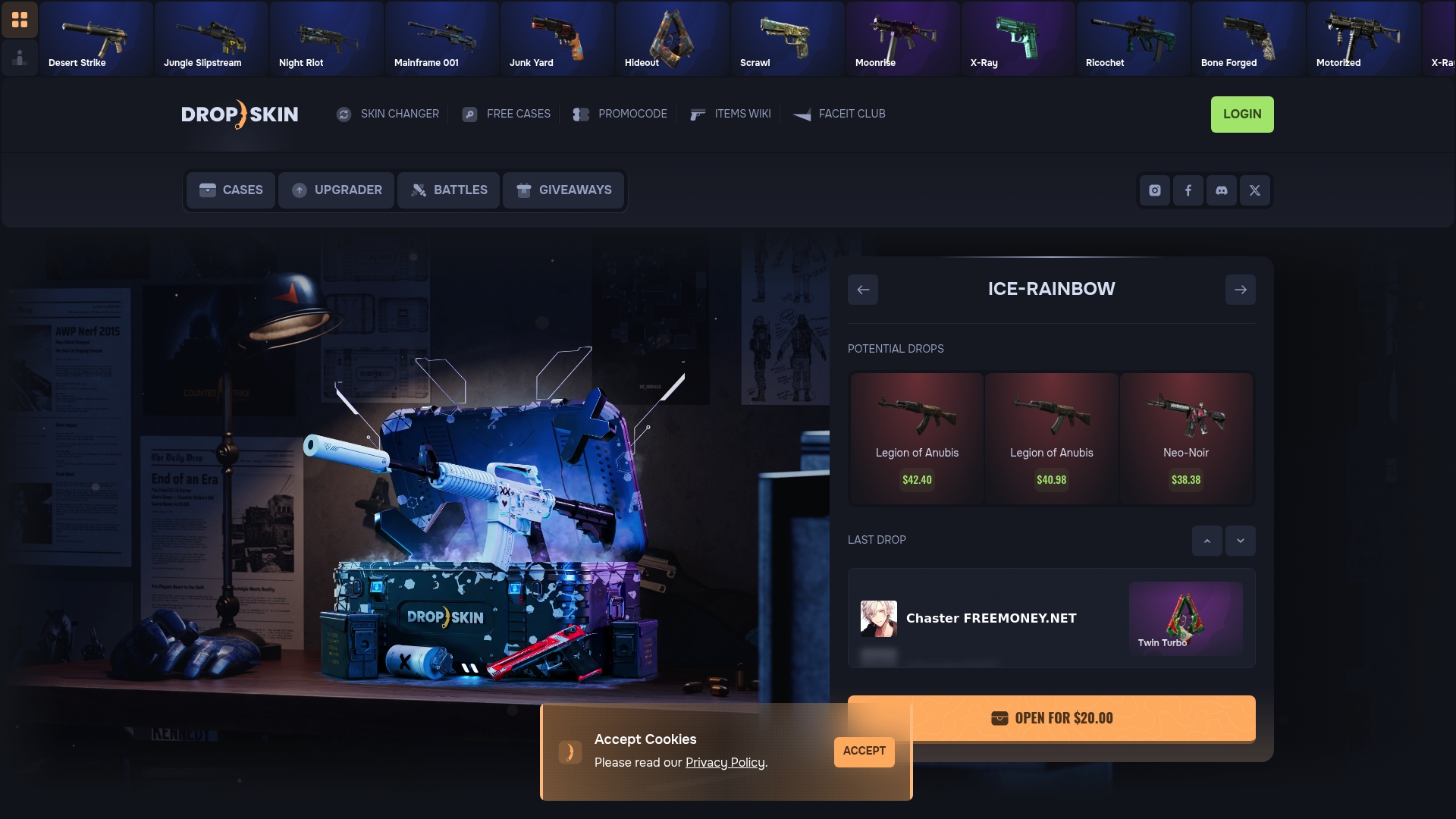
Use the CS2 skin upgrader to execute strategic trade-up contracts with clear odds and expected value calculations built in. The platform's high-liquidity marketplace ensures you can buy and sell quickly without getting stuck in illiquid positions. Whether you're flipping skins for quick profit or building a long-term collection, DROP.SKIN provides the secure, user-friendly environment you need to succeed. Start applying your new strategies today and watch your skin portfolio grow.
Frequently asked questions
What's the best skin condition to maximize resale value?
Factory New skins with low float values (0.00 to 0.03) offer the highest resale value and fastest liquidity. Minimal Wear skins provide strong value retention at lower entry cost if you're budget-conscious.
How often should I check market trends for trading skins?
Check market prices daily if you're actively trading, especially before making purchases or sales. Weekly reviews suffice for long-term holders, but daily monitoring catches temporary dips and spikes that create profit opportunities.
Are trade-up contracts a reliable way to get rare skins?
Trade-up contracts have around 10% odds for the most valuable outcome, making them inconsistent for single attempts. They work best as a calculated strategy over many contracts with positive expected value, not as a reliable path to specific rare skins.
How can I spot scams in skin trading and gambling platforms?
Watch for platforms with no transparent odds, suspiciously low prices, poor user reviews, or requests for unusual payment methods. Verify site reputation through community forums and only use platforms with provably fair systems and established track records.
What tools can help me evaluate a skin's true market value?
Use float value inspectors to verify condition, market price trackers for historical trends, and trade-up calculators for upgrade odds. Cross-reference multiple marketplace listings and community valuation sites to confirm accurate pricing before buying or selling.