
Many CS2 players mistakenly think skin collections are just another word for cases or series, missing out on powerful trading and betting opportunities. Understanding what skin collections actually are unlocks strategic advantages in trade-up contracts, market speculation, and building cohesive loadouts. This guide breaks down exactly what collections are, how they differ from cases and series, and how to leverage them for smarter trading, profitable gambling, and enhanced gameplay aesthetics in 2026.
Table of Contents
- What Is A Skin Collection In CS2?
- How Trade-Up Contracts Work With Skin Collections
- Understanding The Difference: Collections, Cases, And Series
- Practical Tips For Enhancing Your Skin Collection And Betting Strategy
- Enhance Your CS2 Experience With Drop.Skin
- FAQ
Key takeaways
| Point | Details |
|---|---|
| Collections group themed skins | Skin collections bundle weapon finishes by shared release event or design concept, not randomized loot. |
| Trade-ups require collection matching | All 10 input skins must come from one collection to output a higher rarity skin from that same collection. |
| Collections differ from cases and series | Cases are loot boxes, series share design styles, but collections define trade-up contract eligibility. |
| Active vs inactive collection strategy | Active collections provide cheap trade-up inputs, while inactive ones offer long-term value appreciation. |
What is a skin collection in CS2?
A skin collection in CS2 is a themed set of weapon skins released together, distinct from cases or series. Collections bundle finishes around a specific event, map, or artistic concept, creating visual cohesion across multiple weapons. For example, the Gods and Monsters Collection features mythological themes across pistols, rifles, and SMGs, while the Overpass Collection ties skins to the Overpass map aesthetic.
Collections serve three primary functions in CS2:
- Trade-up contract inputs: Collections define which skins can combine to produce higher rarity outputs
- Market categorization: Traders track collection status to identify undervalued skins and predict price movements
- Aesthetic customization: Players build visually unified loadouts by selecting skins from matching collections
Unlike cases, which are loot boxes containing randomized drops, collections represent fixed sets of skins with predetermined contents. You cannot open a collection like a case. Instead, collection skins drop through gameplay, appear in cases, or become available through trade-up contracts and market purchases. Series, on the other hand, group skins by shared design language rather than release timing, and series membership does not affect trade-up eligibility.
Grasping this distinction matters because trade-up contracts, the primary method for upgrading skin rarity without gambling on cases, require all input skins to originate from the same collection. Mixing skins from different collections invalidates the contract. Understanding collections helps you identify affordable trade-up paths, spot market inefficiencies, and build strategic inventories that align with both trading goals and gameplay preferences.
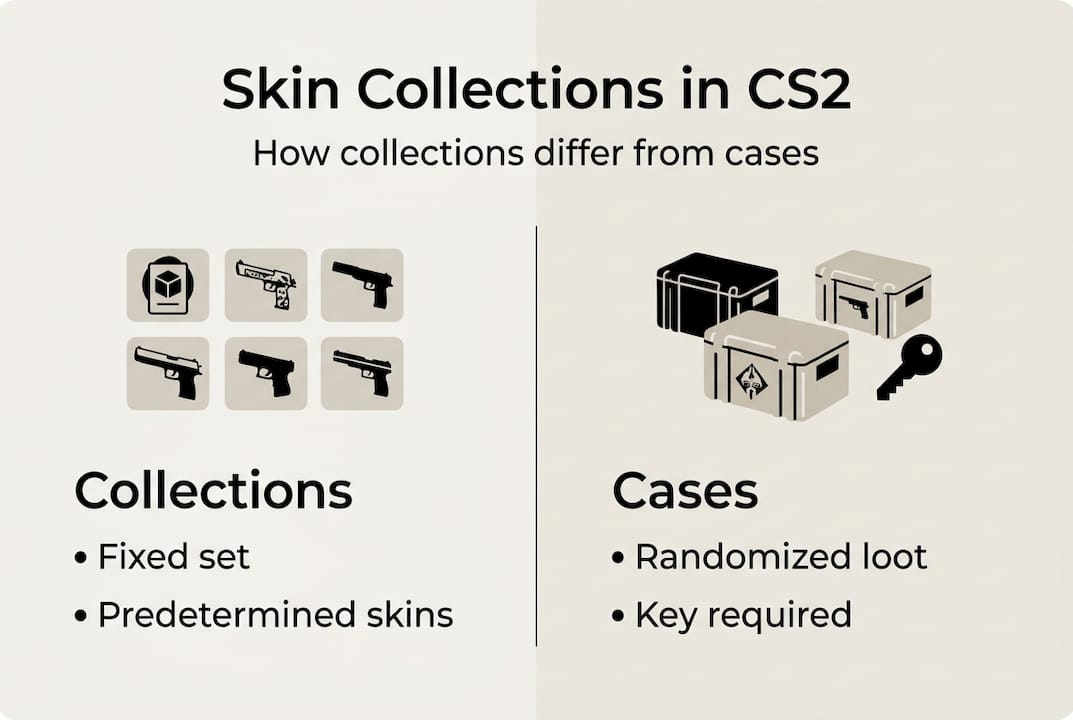
Collections also carry active or inactive status. Active collections continue dropping through gameplay, keeping supply steady and prices lower. Inactive collections no longer drop, creating scarcity that drives long-term value appreciation. Savvy traders monitor collection status shifts to capitalize on supply changes before the broader market reacts.
How trade-up contracts work with skin collections
Trade-up contracts require all 10 input skins from one collection to output the next rarity tier from the same collection. This mechanic transforms trade-ups from pure gambling into calculated investments where you control inputs and predict potential outputs. Understanding collection-based trade-ups separates profitable traders from players burning money on random upgrades.
Here is how the process works step by step:
- Select 10 skins from one collection: All inputs must share the same collection tag and rarity tier
- Verify collection eligibility: Confirm the collection contains higher rarity skins to receive as outputs
- Calculate output probabilities: Each input skin's float value influences which specific output you receive
- Execute the contract: The system randomly selects one skin from the next rarity tier within that collection
- Receive your upgraded skin: Output rarity always increases by one tier, but specific skin selection remains probabilistic
For example, combining 10 Consumer Grade skins from the Gods and Monsters Collection guarantees an Industrial Grade output from that same collection. If the collection contains three Industrial Grade options, each has roughly equal odds of appearing, though float values create subtle variations. This predictability lets you target specific high-value skins by carefully selecting input collections with favorable output pools.
Trade-ups reduce randomness compared to case openings because you eliminate entire rarity tiers and collections from possible outcomes. Instead of gambling on hundreds of potential skins across all cases, you narrow results to a handful of options within one collection and rarity band. This control enables sophisticated strategies like targeting collections with only one or two desirable outputs, dramatically improving your odds of profitable results.
Pro Tip: Focus on active drop collections for cheap inputs when executing volume trade-ups, then shift profits into inactive collection skins for long-term holds as supply contracts and values rise.
The collection system also creates arbitrage opportunities. Market inefficiencies emerge when input skins cost less collectively than the expected value of outputs. By monitoring collection prices and output values, traders identify profitable trade-up paths that others overlook. Combining this knowledge with CS2 gameplay and aesthetic preferences lets you build inventories that serve both financial and personal goals.
Advanced traders layer additional strategies onto collection-based trade-ups. Float value manipulation, where you select inputs with specific wear patterns, influences output condition. Timing trade-ups around market events, like operation launches or collection status changes, maximizes profit potential. Understanding these mechanics transforms trade-ups from casual gambles into core components of serious trading and betting strategies.
Understanding the difference: collections, cases, and series
Collections are often confused with cases or series, but they differ significantly in release and design themes. Clarifying these distinctions prevents costly mistakes when trading, speculating, or planning trade-up contracts. Each category serves different functions within the CS2 skin ecosystem, and recognizing these roles sharpens your strategic decision making.
| Category | Definition | Trade-Up Eligibility | Acquisition Method | | --- | --- | --- | | Collection | Themed skin sets released together by event or concept | Yes, all inputs must match collection | Gameplay drops, cases, market purchases | | Case | Loot boxes containing randomized skins from multiple collections | No, cases are containers not groupings | Purchase keys and open cases | | Series | Design-linked skins spanning multiple collections | No, series membership does not affect contracts | Varies by individual skin collection |
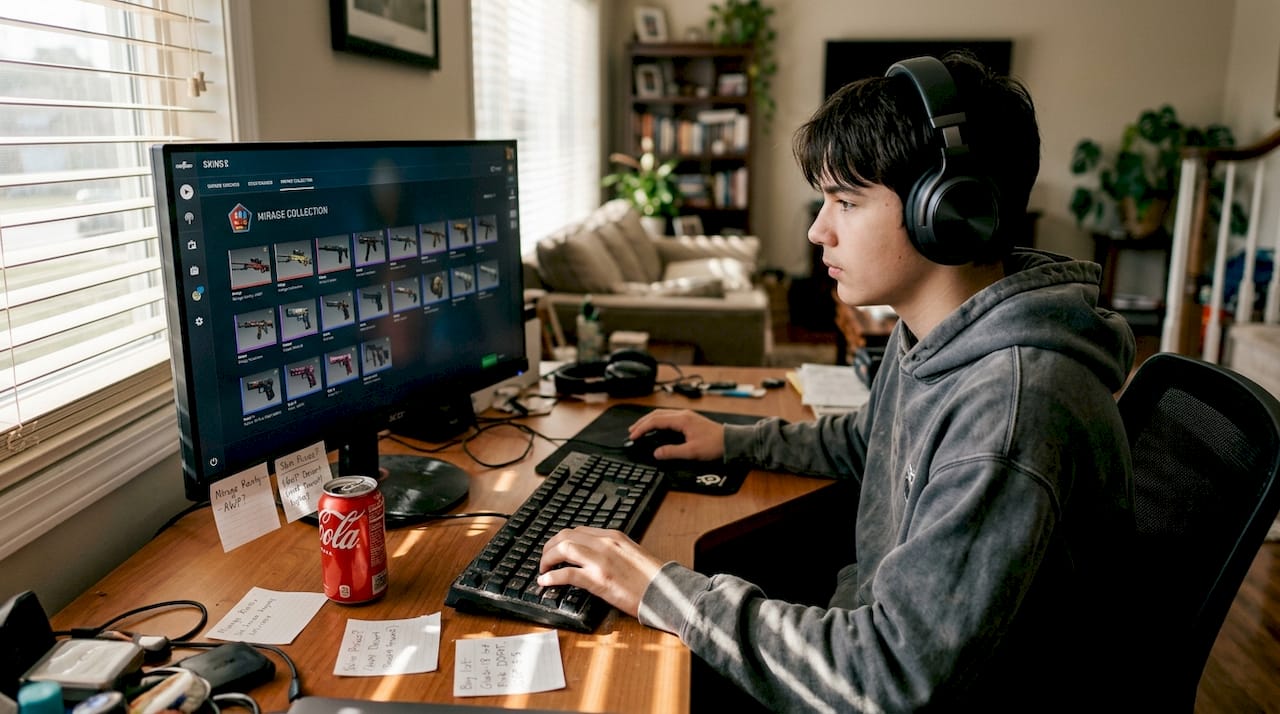
Collections bundle skins by shared release context. The Mirage Collection, for instance, ties all skins to the Mirage map, creating thematic unity. Collections define trade-up contract boundaries, making them critical for traders planning upgrade paths. Active collections provide steady skin supplies through gameplay drops, while inactive collections appreciate as supplies dwindle.
Cases function as randomized loot boxes that players open using keys. Each case contains skins from various collections, offering no predictability about which collection your drop will represent. Cases prioritize excitement and surprise over strategic control. You cannot use a case itself in trade-up contracts, only the skins obtained from opening cases. Understanding which cases contain skins from valuable collections helps you target openings strategically, but the case itself remains separate from collection mechanics.
Series group skins by visual design language rather than release timing or trade-up eligibility. The Gunsmith Series, for example, features industrial, mechanical aesthetics across multiple weapons and collections. Series membership provides no functional impact on trading or contracts. It serves purely as aesthetic categorization for players building visually cohesive loadouts. A skin can belong to both a collection and a series simultaneously, but only collection membership affects trade-up mechanics.
These distinctions guide practical decisions:
- For trade-ups: Focus exclusively on collection tags, ignore case and series information
- For market speculation: Track collection status changes, not case or series popularity
- For aesthetic builds: Use series tags to identify matching visual styles across collections
- For case openings: Research which cases contain skins from target collections before spending keys
Confusing these categories leads to failed trade-up attempts when players mix collections, or missed opportunities when traders overlook collection status while chasing series hype. Mastering the differences between collections, cases, and series transforms you from a casual player into a strategic trader who capitalizes on market mechanics others misunderstand. This knowledge compounds with case collection strategies to create comprehensive trading frameworks.
Practical tips for enhancing your skin collection and betting strategy
Leveraging skin collections effectively requires combining market knowledge with strategic timing and clear goals. Prioritize active drop collections for cheap inputs and inactive collections for long-term holding as supply tightens. These approaches transform collections from mere aesthetic choices into profitable trading and betting tools.
Implement these actionable strategies to maximize collection value:
- Target active collections for volume trade-ups: Active collections like the 2021 Dust II Collection provide abundant cheap skins perfect for executing multiple trade-up contracts without significant capital investment
- Accumulate inactive collection skins during market dips: When collections transition to inactive status, supply stops growing while demand from collectors and traders continues, driving gradual price appreciation
- Monitor collection status announcements: Valve periodically updates which collections remain active, creating predictable market movements you can exploit by buying before announcements and selling after price spikes
- Build themed loadouts around single collections: Selecting all weapon skins from one collection creates visual cohesion that enhances gameplay immersion and personal satisfaction
- Cross-reference collection outputs with current market values: Before executing trade-ups, verify that potential outputs justify input costs by checking recent sale prices for all possible results
- Diversify holdings across multiple collection types: Balance active collection skins for immediate trade-up use with inactive collection skins for long-term appreciation, reducing risk while maintaining liquidity
Pro Tip: Stay informed on collection status through community resources like CS.MONEY and trade-focused Discord servers to identify status changes before mainstream traders react, giving you first-mover advantage on undervalued skins.
Timing matters as much as selection. Execute trade-ups when input prices dip below historical averages, typically during major sale events or immediately after new case releases when attention shifts elsewhere. Hold inactive collection skins through short-term volatility, selling only when prices reach new highs during supply crunches or renewed interest from content creators.
Combine collection knowledge with broader CS2 skin collecting strategies to build comprehensive trading systems. Track float value distributions within collections to identify rare low-float skins trading at average prices. Monitor which collections appear in new cases, as inclusion drives temporary price increases from players targeting specific skins. Layer these insights with premium skin mechanics to separate genuinely valuable skins from overhyped options.
For betting and gambling applications, collections offer unique advantages. Use trade-ups to generate high-value skins from cheap inputs, then wager these upgraded skins in battles or coinflips without risking purchased inventory. This approach lets you participate in skin gambling using profits rather than capital, reducing financial exposure while maintaining entertainment value. Collections with narrow output pools work best for this strategy because predictable results let you calculate expected values accurately before committing inputs.
Successful collection strategies balance multiple timeframes. Maintain liquid active collection skins for immediate opportunities, mid-term holdings in recently inactive collections positioned for near-term appreciation, and long-term positions in historically significant collections likely to become prestige items. This tiered approach ensures you can capitalize on opportunities across all market cycles while building lasting value.
Enhance your CS2 experience with drop.skin
Now that you understand how skin collections power trade-ups and trading strategies, put that knowledge into action. Drop.skin provides the tools you need to capitalize on collection mechanics through case openings, skin upgrades, and real-time market opportunities. Whether you are targeting specific collections for trade-ups or building a diverse inventory for betting and trading, the platform streamlines every step.
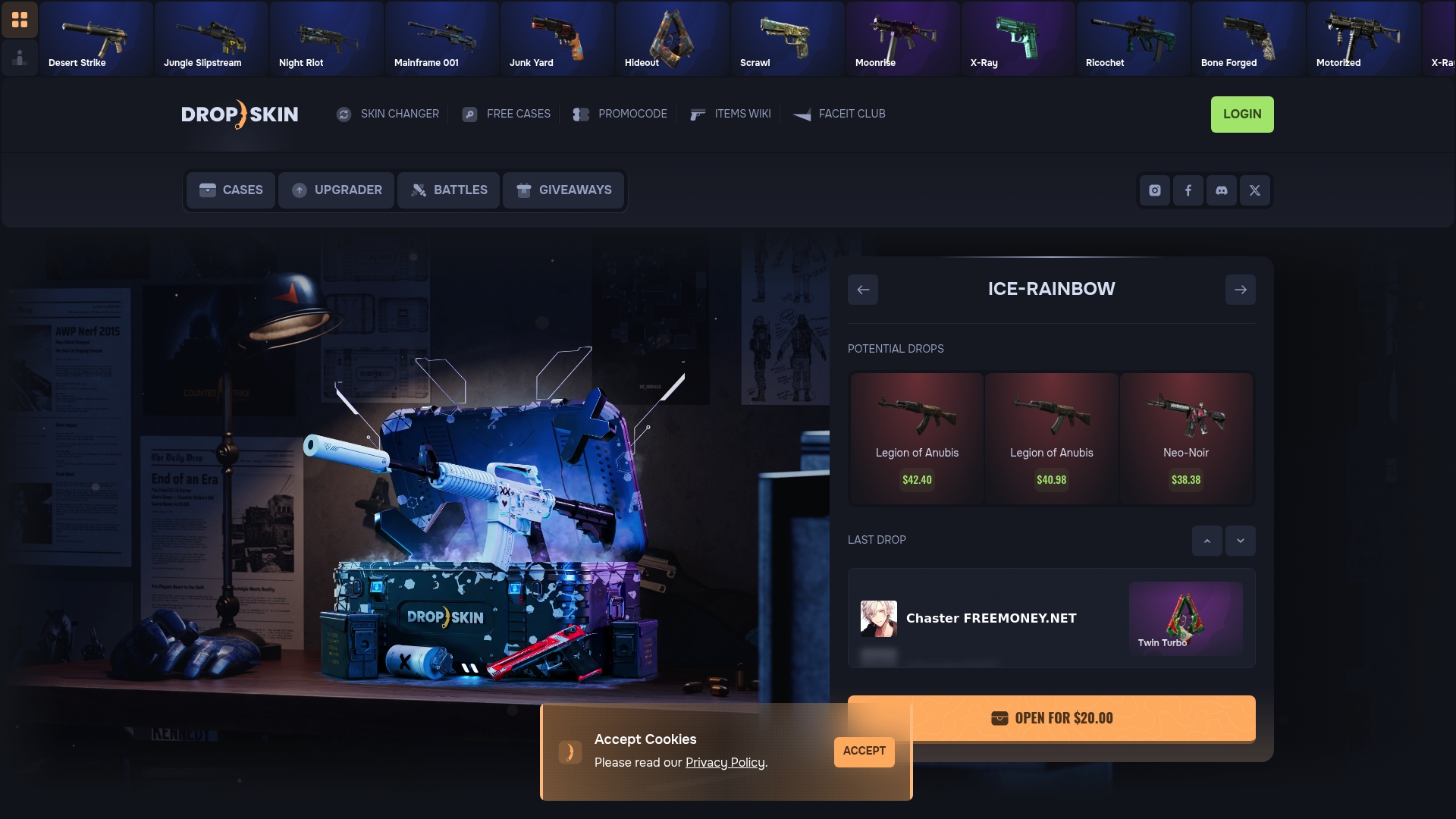
Open CS2 cases to discover skins from popular collections, then use the online skin upgrader to efficiently boost rarity through strategic trade-up contracts. The platform combines entertainment with practical trading tools, letting you test collection strategies without complex external research. Real-time market insights help you identify undervalued collections before prices spike, while case opening features let you acquire specific collection skins directly.
Pro Tip: Combine case openings with trade-ups on drop.skin by opening cases from collections with favorable trade-up outputs, then immediately upgrading your drops to higher rarities while market conditions remain optimal.
FAQ
What happens if I use skins from different collections in a trade-up?
The trade-up contract will fail and reject your inputs if you attempt to mix skins from different collections. All 10 input skins must share the same collection tag for the contract to execute. This restriction ensures outputs come from a single collection, maintaining the system's predictability and preventing exploitation through cross-collection combinations.
Can skin collections affect betting odds or player reputation?
Skin collections do not directly influence betting odds, which depend on skin rarity, condition, and market value rather than collection membership. However, owning complete or rare collections can enhance your reputation within trading communities as a serious collector. Building cohesive collections signals knowledge and commitment that may improve trust in peer-to-peer trades.
How to identify active drop collections versus inactive ones?
Active collections appear in current gameplay drop pools and maintain steady supply, while inactive collections no longer drop through normal play. Check community resources like CS.MONEY's collection database or official Valve patch notes announcing drop pool updates. Active collection skins typically cost less due to ongoing supply, making them ideal for trade-up inputs, while inactive collection skins appreciate over time as scarcity increases.
Are all collections eligible for trade-up contracts in CS2?
Most collections support trade-up contracts, but some special collections lack higher rarity tiers, making upgrades impossible. Before planning trade-ups, verify your target collection contains skins in the next rarity tier above your inputs. Collections with incomplete rarity distributions cannot produce outputs for certain input tiers, so always research collection contents before purchasing trade-up inputs.
Where can I reliably trade or upgrade skins from specific collections?
Drop.skin offers integrated tools for opening cases containing specific collections and executing trade-up contracts through the skin upgrader feature. For peer-to-peer trading, established marketplaces like CS.MONEY, Skinport, and Steam Community Market provide liquidity and buyer protection. Always verify collection tags before completing trades to ensure skins match your strategic goals and trade-up plans.