
TL;DR:
- CS:GO skin trading involves exchanging cosmetic weapon finishes for items, currency, or credits, driven by rarity and demand. It has become a multi-billion dollar ecosystem, with traders motivated by aesthetic appeal, social status, and financial opportunities like arbitrage and speculation. Platforms like Steam and third-party sites facilitate trades, but security measures and market knowledge are essential for success and avoiding common pitfalls.
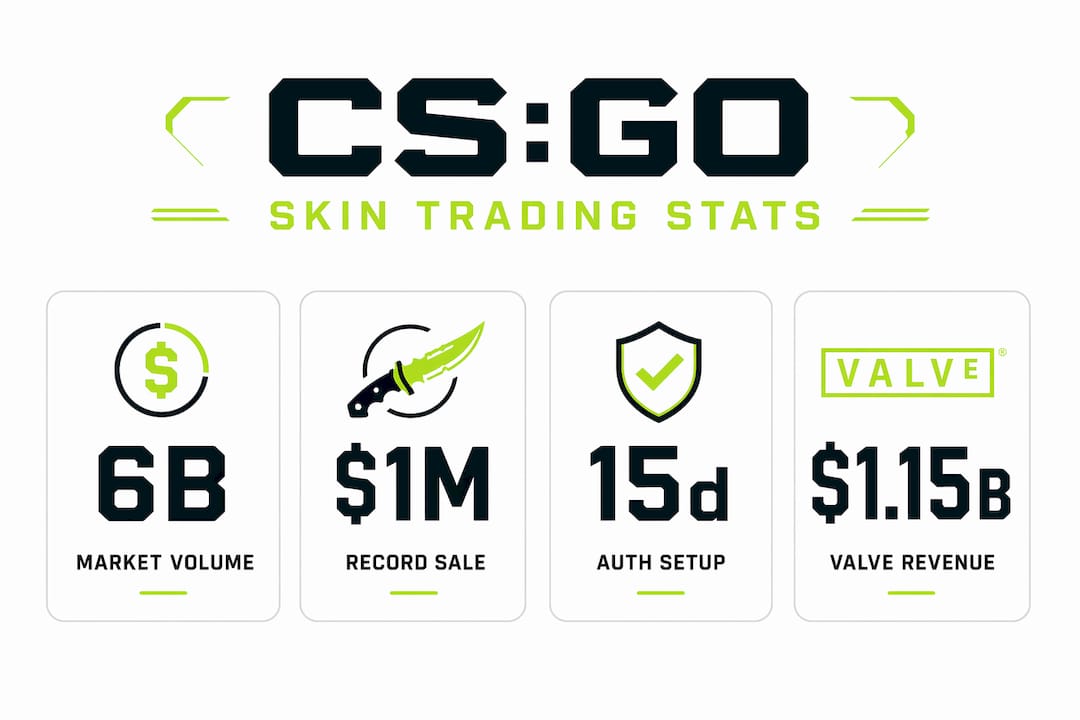
CS:GO skin trading is defined as the practice of exchanging cosmetic weapon finishes for other skins, real-world currency, or platform credits, with values driven by rarity, demand, and market timing. The reasons to trade CS:GO skins go far beyond aesthetics. The CS2 skin market hit $6 billion in capitalization in 2025, proving this is a serious economic ecosystem, not just a cosmetic side feature. Whether you want to upgrade your loadout, build a tradeable portfolio, or simply express your style, skin trading delivers real advantages that casual players often overlook.
Why trade cs:go skins: looks, status, and real value
The appeal of trading skins covers three distinct motivations: cosmetic personalization, social signaling, and financial gain. Most players start with the first and discover the other two quickly.
Cosmetic appeal and personal identity are the entry point for most traders. CS:GO and CS2 offer hundreds of weapon finishes across rifles, pistols, and knives. A player running an AK-47 Redline or an AWP Dragon Lore communicates taste and investment to every opponent and teammate in the server. Skins do not change gameplay mechanics, but they change how you feel about picking up a weapon.
Social status within the community is a real driver. Rare skins like the Karambit Fade or StatTrak Factory New versions of discontinued collections carry prestige that other players recognize instantly. Showcasing a high-value inventory in trade lobbies or on community profiles builds reputation.
The financial motivations are where trading gets genuinely interesting:
- Rarity and limited supply push prices up over time. Discontinued items and operation-exclusive drops appreciate as supply tightens and collector demand grows.
- Arbitrage opportunities exist because price gaps appear between the Steam Community Market, third-party platforms, and peer-to-peer trades. Buying low on one platform and selling higher on another generates margin through volume.
- Speculative holding rewards patience. Stickers from past CS:GO Majors and operation-exclusive skins have multiplied in value years after their initial release.
- Community connections form naturally through trading. Active traders build networks of trusted counterparts, which opens access to deals that never appear on public marketplaces.
Understanding these motivations tells you exactly why skin trading has grown into a multi-billion dollar ecosystem rather than staying a niche hobby.
How does skin trading actually work?
CS:GO skins trading explained at its core involves three main channels: the Steam Community Market, peer-to-peer Steam trade offers, and third-party platforms. Each channel has different fees, speed, and risk profiles.
Steam community market vs. third-party platforms
The Steam Community Market is the default starting point. It is built into Steam, requires no external accounts, and handles escrow automatically. The tradeoff is cost. Steam charges a 15% transaction fee and caps listings at $2,000, which means a $400 skin trade loses $60 or more in fees alone. For high-value items, that fee structure destroys margin.
Third-party platforms handle higher-value items and offer faster execution. The record CS2 skin sale exceeded $1 million on a third-party platform, a transaction impossible on Steam due to the listing cap. The tradeoff is counterparty risk. You are trusting an external service with your items, so platform reputation and escrow systems matter enormously.
Security, trade holds, and authentication
Security is non-negotiable in skin trading. Without Steam Guard Mobile Authenticator active for 15 days, every trade you send or receive incurs a 15-day hold. That hold freezes your items and kills any time-sensitive deal. Enable the authenticator before you attempt a single trade.
Pro Tip: Set up Steam Guard Mobile Authenticator at least 15 days before you plan to start trading. Missing this step locks your items during the hold period and costs you deals.
Trade-up contracts add another dimension to how skin trading works. Combining 10 same-rarity skins produces one skin of higher rarity. When you research the math carefully, trade-ups can generate profit by targeting collections where the output skin is consistently worth more than the combined input cost.
Key mechanics to understand before your first trade:
- Steam trade offers are the safest peer-to-peer method. Both parties see exactly what is being exchanged before confirming.
- Trade holds freeze items for 15 days without authenticator. This is not optional to avoid.
- Platform fees vary widely. Steam takes 15%, while many third-party platforms charge 2–5%.
- Float values and pattern indices affect price significantly. A Factory New AK-47 Asiimov with a low float trades at a premium over a Well-Worn version of the same skin.
What are the real benefits of trading cs:go skins?
The benefits of trading CS:GO skins split cleanly into financial gains, inventory quality, and gaming satisfaction. Here is how each plays out in practice.
-
Profit through arbitrage. Price differences between Steam Market and third-party marketplaces create consistent opportunities. Buying a skin at $18 on one platform and listing it at $22 on another is a repeatable process when you track prices across multiple sources.
-
Inventory diversification reduces risk. Holding 20 mid-tier skins worth $10–$30 each is safer than holding one $400 knife. If the market shifts after a game update, liquid mid-tier skins sell quickly. A single expensive item can sit unsold for weeks.
-
Access to rare skins enhances gameplay satisfaction. Trading up from common skins to a Classified or Covert finish you actually want to use changes how you experience the game. The visual quality of a well-chosen skin makes every round feel different.
-
Trade-up contracts upgrade your inventory without spending cash. Feeding 10 Mil-Spec skins into a trade-up contract to receive a Restricted skin is a controlled way to improve your collection using items you already own.
-
Engagement with the game's ecosystem deepens your knowledge. Active traders learn collection histories, case contents, and price cycles. That knowledge compounds over time and makes you a better trader and a more informed player.
Pro Tip: Track the same skin across Steam Community Market, third-party platforms, and trading forums simultaneously. Price gaps of 10–20% are common and represent pure arbitrage margin.
The CS2 skin market generated over $1.15 billion for Valve from keys and market fees alone in 2025. That number reflects how many players are actively buying, selling, and trading. You are not entering a niche market. You are entering one of the largest digital goods ecosystems in gaming.
Strategies for effective skin trading
Experienced traders treat skin inventory as a portfolio, prioritizing liquidity and diversification over chasing single rare items. The most reliable approach focuses on volume with mid-tier skins rather than betting everything on one expensive drop.
The $5–$50 price range is the sweet spot. Skins in this range have consistent buyer demand, sell quickly, and allow you to run many trades simultaneously. A $400 knife might sit in your inventory for a month. A $25 M4A4 Howl replica or a popular AK-47 skin moves within days.
| Strategy | Best For | Risk Level | Typical Return |
|---|---|---|---|
| Arbitrage across platforms | Active traders with time to monitor prices | Low to medium | 5–15% per trade |
| Speculative holding | Patient traders with capital to lock up | Medium to high | 50–300% over months |
| Trade-up contracts | Players with surplus low-tier skins | Medium | Variable, research required |
| Peer-to-peer trading | Experienced traders with trusted networks | Low with verification | Better margins than Steam |
| Steam Community Market | Beginners needing simplicity and safety | Low | Lower due to 15% fees |
Float values and pattern indices are details that separate average traders from skilled ones. A Karambit Tiger Tooth with a specific blade pattern commands a premium that the same skin without that pattern does not. Learning to read float values using tools like CS.MONEY's float checker or community databases gives you pricing accuracy that casual traders miss entirely.
For safe skin trading practices, always verify trade partner profiles, check trade history, and use platforms with escrow protection. Never rush a trade because someone claims urgency.
What mistakes do skin traders make most often?
The most common errors in skin trading fall into predictable patterns. Recognizing them early saves real money.
- Ignoring Steam's fee structure. Steam's 15% transaction fee and $2,000 listing cap push serious traders toward peer-to-peer and third-party platforms. Selling a $300 skin on Steam costs $45 in fees. That same sale on a 3% fee platform costs $9.
- Skipping Steam Guard setup. Trade holds freeze items for 15 days without the authenticator active. Missing a price spike because your items are locked is a painful and avoidable lesson.
- Falling for scams. Fake middlemen and phishing attempts are the most common causes of skin theft. A "middleman" is never necessary in a legitimate Steam trade. If someone insists on one, walk away.
- Over-investing in illiquid skins. Rare souvenir packages and niche pattern skins have tiny buyer pools. They can appreciate, but they can also sit unsold for months while your capital is locked up.
- Ignoring market timing. CS2 updates, new case releases, and operation announcements all shift prices. A skin that is worth $40 before a new case drops might fall to $28 the week after if the market floods with similar items.
Pro Tip: Before any trade, check the skin's 30-day price history on Steam and at least one third-party platform. A single data point is not enough to judge fair value.
Avoiding these common skin trading mistakes is what separates traders who grow their inventory from those who break even or lose value over time.
Key takeaways
Trading CS:GO skins builds real value when you combine platform knowledge, security discipline, and a portfolio mindset focused on liquid mid-tier items.
| Point | Details |
|---|---|
| Market scale is real | The CS2 skin market hit $6 billion in 2025, confirming serious economic opportunity. |
| Fees shape platform choice | Steam's 15% fee favors third-party platforms for any skin above $50 in value. |
| Security comes first | Enable Steam Guard Mobile Authenticator 15 days before trading to avoid item holds. |
| Liquidity beats rarity | Mid-tier skins in the $5–$50 range trade faster and reduce portfolio risk significantly. |
| Arbitrage is repeatable | Price gaps between Steam and third-party platforms create consistent, low-risk margin. |
Dropskin's take on skin trading in 2026
Most guides treat skin trading like a simple buy-low, sell-high exercise. After watching thousands of trades play out on Dropskin, the reality is more nuanced and more interesting.
The traders who consistently grow their inventories do not chase the flashiest knife or the rarest souvenir package. They treat their skin collection the way a fund manager treats a portfolio. They hold diversified positions, prioritize items with proven liquidity, and resist the urge to lock capital into a single speculative bet. Volume scaling with reliable demand skins outperforms single-item speculation almost every time.
The Steam market's limitations are not a problem to complain about. They are a signal. When Steam fees and listing caps push high-value trades off-platform, that tells you where the real action is. Peer-to-peer trades and trusted third-party platforms are where experienced traders operate, and for good reason.
One thing that surprises newer traders: patience is a genuine edge. Discontinued skins and Major stickers that look stagnant for six months can double in value after a community event or a game update tightens supply. Holding through short-term price dips on items with strong collector demand is a strategy that consistently rewards discipline.
The community dimension matters too. The traders who build real networks, verify counterparts carefully, and maintain a reputation for fair dealing get access to deals that never appear on any public marketplace. That network is worth more than any single skin in your inventory.
— Dropskin
Start trading and upgrading skins on Dropskin
You now have the framework. The next step is putting it into practice with a platform built for exactly this.
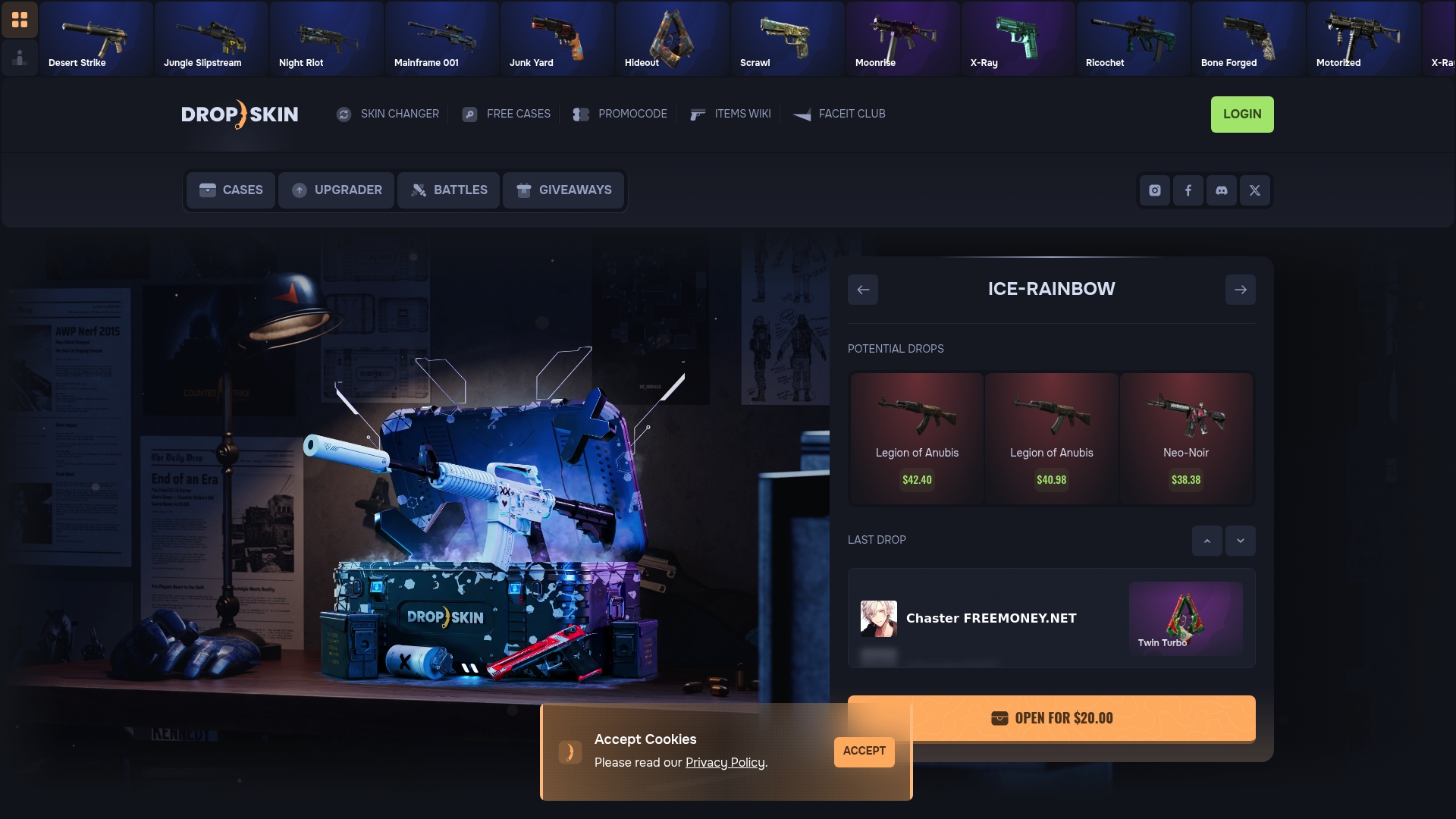
Dropskin gives you direct access to CS2 case openings and skin upgrades in one place, with a wide range of skins across every price tier. Whether you want to test a trade-up strategy, find a mid-tier skin to flip, or upgrade a common drop into something worth carrying, Dropskin's skin upgrader tool handles it with a clean interface and transparent mechanics. Giveaways and promo codes make it easy to build your starting inventory without a large upfront investment. For CS:GO and CS2 players serious about growing their collection, Dropskin is where strategy meets opportunity.
FAQ
What is the main reason to trade cs:go skins?
The primary reason is to increase inventory value by exchanging lower-value skins for ones with higher demand, rarity, or resale potential. Financial gain, cosmetic upgrades, and community engagement all drive trading activity.
How do cs:go skin trades actually work?
Trades happen through Steam trade offers, the Steam Community Market, or third-party platforms. Each method has different fees, speed, and security requirements, with Steam Guard Mobile Authenticator required to avoid 15-day trade holds.
Are cs:go skins a good investment?
Certain skins, particularly discontinued items and Major stickers, have appreciated significantly over time. Success depends on research, timing, and treating your inventory as a diversified portfolio rather than a single speculative bet.
What are the biggest risks in skin trading?
Scams involving fake middlemen, phishing attempts, and high Steam fees are the top risks. Using official Steam trade offers, enabling Steam Guard, and verifying all counterparts before trading mitigates most of these threats.
Which skins are best for trading?
Mid-tier skins in the $5–$50 range offer the best combination of liquidity and margin. They sell quickly, allow volume-based trading, and reduce the risk of capital being locked in illiquid high-value items.