TL;DR:
- CS:GO skins are valuable digital assets driven by scarcity, community culture, and investment potential, not just aesthetic appeal. The $8 billion skin economy involves supply mechanics, market fragmentation, and social signals that influence long-term value. Collecting thoughtfully, understanding market trends, and enjoying the community aspect can make skin ownership both rewarding and financially viable.
Most people outside the gaming world assume CS:GO skins are a waste of money. You buy a digital image of a gun, it does nothing to your gameplay, and it disappears if you lose access to your account. That framing misses almost everything important. If you have wondered why collect CS:GO skins at all, the answer involves a $8 billion economy, a deeply social collector culture, investment returns that rival some traditional assets, and a personal expression system that millions of players use every single day.
Table of Contents
- Key takeaways
- Why collect CS:GO skins: the economy behind the pixels
- The culture and community that make skins matter
- Collecting CS:GO skins for profit: investment that actually works
- How to collect CS:GO skins without making the common mistakes
- Market trends shaping CS:GO skin collecting in 2026
- My honest take on why this hobby is worth taking seriously
- Start your CS:GO skin collection with Dropskin
- FAQ
Key takeaways
| Point | Details |
|---|---|
| Skins are real economic assets | The CS2 skin economy is valued at roughly $8 billion, with rare items appreciating significantly over time. |
| Scarcity drives long-term value | Discontinued skins steadily leave circulation as accounts go inactive, shrinking supply and pushing prices upward. |
| Culture and identity matter | Skins function as visible status symbols in gameplay, tied to esports history, streamer culture, and personal style. |
| Smart investing requires balance | A sound skin portfolio mixes blue-chip holdings with mid-tier and speculative picks, not just chasing hype. |
| Starting small is a real option | New collectors can build stylish, rewarding inventories without spending hundreds by focusing on aesthetics and market timing. |
Why collect CS:GO skins: the economy behind the pixels
Before you can appreciate why collecting makes sense, you need to understand what you are actually collecting. CS:GO skins, now living inside CS2, are cosmetic weapon finishes. They change how your gun looks. They do not change damage, accuracy, or any stat that affects who wins a round.
What they do affect is the world around the game itself. The CS2 skin economy is valued at approximately $8 billion as of May 2026, with rare patterns and sticker placements capable of multiplying a skin's price by tens of thousands. That is not a niche hobby. That is a functioning marketplace with real price discovery, arbitrage opportunities, and supply mechanics most people never realize exist.
Here is how the supply side works:
- Rarity tiers range from Consumer Grade (gray) up through Industrial, Mil-Spec, Restricted, Classified, Covert, and the special Contraband tier reserved for a single skin, the M4A4 Howl.
- Float values measure wear, running from Factory New to Battle-Scarred, and affect both appearance and price dramatically.
- Sticker slots on a weapon can carry tournament stickers, and once applied, stickers cannot be removed. That permanence creates a supply destruction mechanic that steadily reduces total inventory.
- Case openings introduce new skins, but discontinued cases have supply limited to roughly one-sixth of their previous drop rate once removed from active pools.
Transactions happen across Steam's own marketplace and dozens of third-party platforms. Price fragmentation causes 15 to 30% price differences between marketplaces for the same skin, which creates real opportunities for informed buyers.
Pro Tip: Before buying on Steam's marketplace, check third-party pricing aggregators. The same skin often costs meaningfully less on competing platforms, and the difference on higher-value items adds up fast.
The culture and community that make skins matter
Financial mechanics alone do not explain why so many players care deeply about their inventories. The social and cultural dimensions of skin collecting are just as real as the price charts.
Skins function as constant visual signals during gameplay, transforming weapons into status symbols that communicate dedication, taste, and sometimes real-world wealth to every player in a match. When you drop an AWP Dragon Lore in front of your team or pull out a Karambit with a specific blue gem pattern, people notice. That recognition is a genuine motivator.
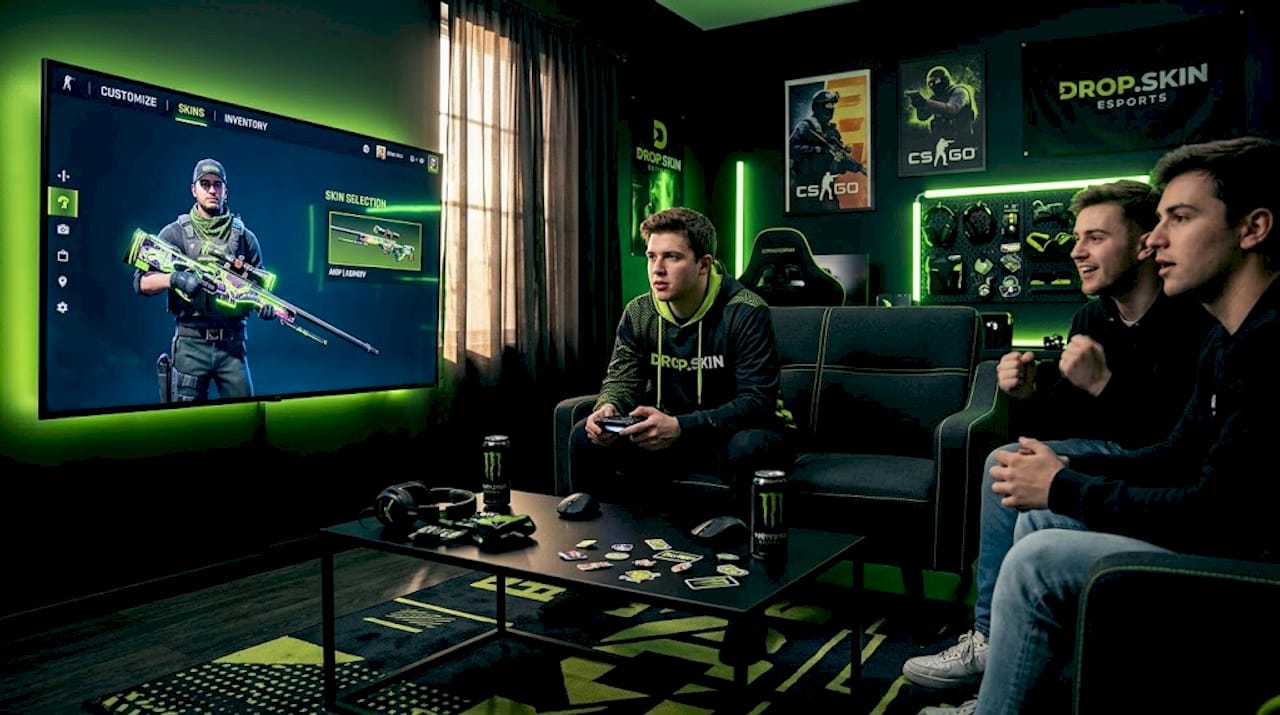
Esports has amplified this effect enormously. Collector nostalgia ties specific skins to tournament moments, legendary players, and team histories. A skin associated with a team sticker from a major tournament carries emotional weight that goes far beyond its pixel count. Collectors treat skin inventories like alternative investment portfolios, combining sentimental and financial value with genuine nostalgia for gaming history.
Then there is the streamer effect. Content creators can cause 30 to 50% price spikes in a single day simply by showcasing a skin to their audience. When a major streamer pulls a rare StatTrak knife on camera, demand ignites in real time. This creates both opportunity and risk for collectors who track influencer content closely.
"The skin you equip is, in many ways, your in-game identity. It says something about who you are, what you have achieved, and what you value — before you fire a single shot."
Pro Tip: Follow a handful of respected CS2 content creators not just for entertainment but as a loose market signal. A skin that shows up repeatedly across multiple big channels is likely to see demand pressure within days.
For a deeper look at the social dynamics behind skin culture, the Dropskin blog covers CS2 and CS:GO skin culture in thorough detail.
Collecting CS:GO skins for profit: investment that actually works
The investment case for skins is not speculation dressed up as analysis. It is grounded in specific supply mechanics that make certain categories of skins genuinely attractive as long-term holds.
Discontinued skins yield 5 to 15% annual returns for patient collectors. The driver is simple: skins do not wear out or expire. They leave circulation only when users delete them or accounts become inaccessible, creating a slow but steady supply reduction that supports price appreciation over time. That is a rare asset characteristic.
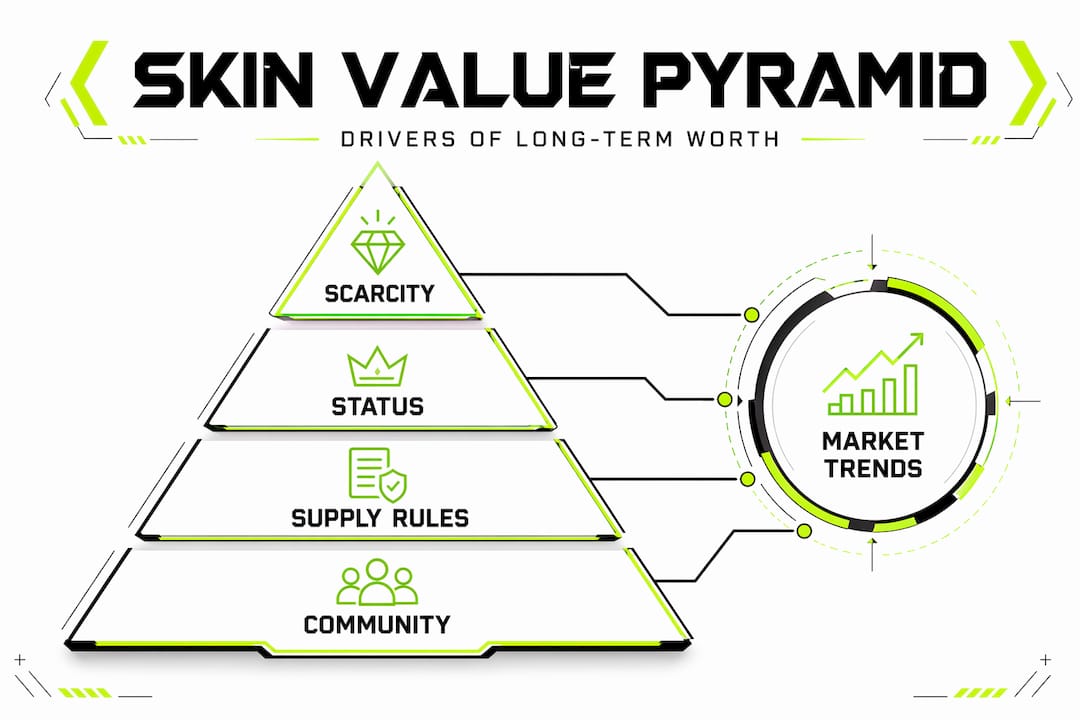
Here is how the risk profile breaks down across skin categories:
| Category | Risk level | Entry price range | Return profile |
|---|---|---|---|
| Blue-chip skins (AWP Dragon Lore, M4A4 Howl) | Low to medium | $1,000+ | Steady appreciation, strong recovery after corrections |
| Mid-tier discontinued skins | Medium | $50 to $500 | Moderate growth, less liquidity |
| Cases and capsules | Medium to high | $1 to $50 | High variance, driven by Valve policy changes |
| Speculative skins | High | $10 to $200 | Boom or bust, driven by trends and influencer cycles |
Blue-chip skins demonstrate resilience through multiple major market corrections, maintaining value due to iconic status and limited supply. The M4A4 Howl is the only skin with Contraband status, meaning Valve has permanently retired it from cases. That scarcity has held.
Thoughtful portfolio construction matters too. A balanced CS2 skin portfolio allocates 40 to 50% to blue-chip skins, 20 to 25% to mid-tier skins, 15 to 20% to cases, and no more than 20% to speculative plays.
Here are the critical pitfalls that catch new investors:
- Chasing hype. When a skin spikes 40% in a week after streamer exposure, you are usually buying at the top. The price rarely sustains.
- Ignoring liquidity. High-value but illiquid skins can trap you during downturns. The actual sale price may be significantly lower than the listed price when you need to exit fast.
- Underestimating Valve's influence. In October 2025, a trade-up update allowing covert skins into knives caused knife prices to crash overnight and wiped hundreds of millions from the market cap in days.
Pro Tip: Treat any skin above $500 as a medium-term hold of at least 12 months. Skin markets reward patience more consistently than active trading, and short-term flipping is where most newcomers lose money.
How to collect CS:GO skins without making the common mistakes
Knowing why collect CS:GO skins is one thing. Knowing how to start without burning your budget is another. The good news is that the barriers to entry are lower than most people assume.
The Source 2 engine's physically based rendering fundamentally changed what a stylish inventory looks like. Skins that interact well with lighting and shader effects can look spectacular even at lower price points. You do not need to spend $3,000 on a Karambit to have an inventory people notice. Strategic choices matter more than raw spending.
Practical CS:GO skin collection tips for new collectors:
- Start with weapons you actually use. A skin for your main rifle feels more rewarding than a random knife that never matches your playstyle.
- Check key value factors before buying. Float value, pattern index, and sticker combos all affect resale potential significantly.
- Use trade-up calculators. Before committing to a trade-up contract, verify the math. The contracts are straightforward but losses from poor inputs are irreversible.
- Join collector communities. Discord servers and Reddit communities dedicated to CS2 skins carry real-time information about pattern pricing, undervalued items, and market shifts that no tool captures fully.
- Avoid buying into hype cycles. If a skin just exploded in price because of a YouTube video, you have already missed the entry point.
Pro Tip: Focus your first three to five purchases on Mil-Spec or Restricted tier skins with interesting patterns and clean sticker combinations. They are affordable, visually strong under Source 2 rendering, and hold value reasonably well relative to their entry cost.
Market trends shaping CS:GO skin collecting in 2026
The skin market is not static. Several structural changes are reshaping how collectors approach their inventories right now.
The Source 2 engine upgrade changed the visual hierarchy of skins in ways that matter practically. Collectors now find that certain previously overlooked skins gain new appeal under updated rendering, while some expensive skins look less impressive than their price suggests. This creates genuine repricing opportunities for collectors who understand the visual mechanics rather than just the price charts.
Here is a snapshot of the major forces affecting CS:GO skin market trends in 2026:
| Trend | Impact on collectors |
|---|---|
| Source 2 rendering improvements | Creates repricing opportunities in visually undervalued skin categories |
| Growth of price tracking tools | Reduces information asymmetry and tightens arbitrage windows |
| Third-party marketplace competition | Lowers platform fees and increases liquidity for mid-tier skins |
| Valve policy unpredictability | Creates sudden market corrections that reward liquid, conservative portfolios |
| Emerging collector behaviors | Greater focus on pattern-specific and sticker-combo value over raw skin rarity |
The broader pattern is that skin collecting is converging with mainstream digital asset behavior. Serious collectors now track market trends across multiple platforms, use price history tools similar to stock screeners, and build diversified inventories rather than chasing single trophy items. The line between gaming hobby and financial asset management has genuinely blurred.
My honest take on why this hobby is worth taking seriously
I have watched the CS2 skin market long enough to see multiple full boom-and-bust cycles. I have seen players dismiss skin collecting as meaningless until they watched a friend sell a modest inventory for the price of a used car. I have also seen people chase hype-driven spikes and end up holding illiquid skins worth half what they paid.
What I have learned is that conventional wisdom undersells this hobby in one specific way: it treats the cultural and financial dimensions as separate things. They are not. The emotional attachment you build to a well-assembled inventory, the community recognition, the connection to esports history, all of that is part of what makes the best skins retain their value through corrections. People hold things they care about. That behavior is what makes blue-chip skins genuinely resilient assets.
My advice to anyone starting out is to collect what you actually love first and what makes financial sense second. The collectors I have seen do best over time are the ones who enjoy the process even when prices are flat. They stay engaged, they stay informed, and they make better decisions because they are not desperate for an exit.
The financial potential is real. The cultural value is real. But the best reason to collect CS:GO skins is that it sits at the intersection of a game you already play, a community you already belong to, and an asset class that rewards patience and knowledge equally.
— Dropskin
Start your CS:GO skin collection with Dropskin
If you are ready to move from reading about skins to actually building your inventory, Dropskin makes it practical from day one.
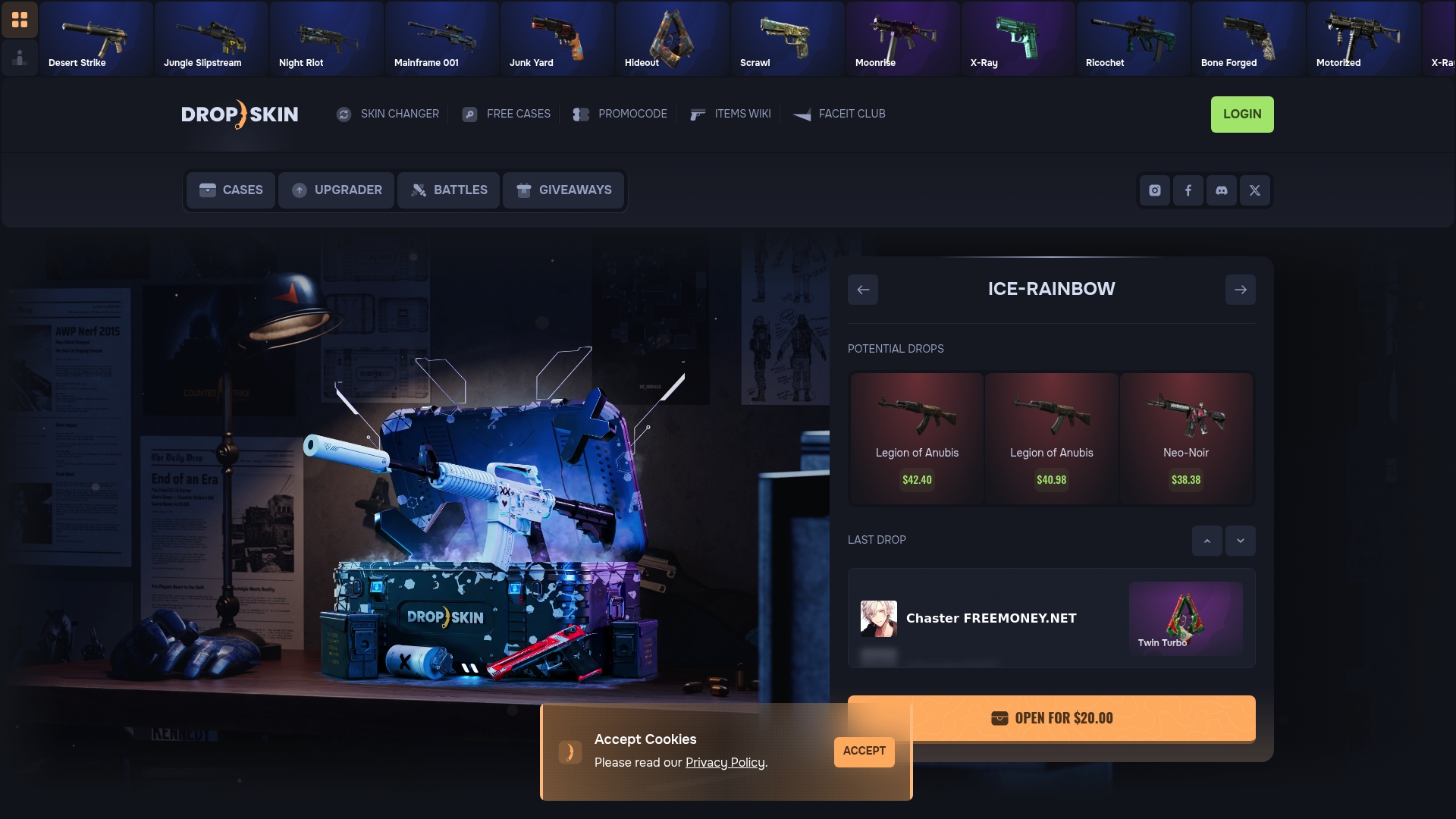
At DROP.SKIN, you can open cases, explore an extensive skin catalog, and use the skin upgrader tool to turn lower-value skins into higher-tier items without navigating complex third-party markets. The platform is built for both newcomers testing the waters and experienced collectors looking to flip efficiently. Giveaways, promocodes, and skin battles add a layer of entertainment that makes the process genuinely enjoyable rather than just transactional. Whether you want to start small or go deep, Dropskin is a platform that grows with your ambitions.
FAQ
Why do people collect CS:GO skins?
People collect CS:GO skins for a mix of personal expression, community status, esports nostalgia, and genuine investment potential. Rare and discontinued skins can appreciate 5 to 15% annually, while cultural attachment to certain items creates lasting demand.
Are CS:GO skins a good investment?
Certain categories, particularly blue-chip and discontinued skins, have demonstrated consistent long-term appreciation. However, liquidity risk and Valve's policy decisions can cause sudden market corrections, so diversification and patience are critical.
What are the rarest CS:GO skins?
The M4A4 Howl holds the only Contraband status in the game, making it permanently retired from case drops. Pattern-specific items like blue gem Karambit knives and StatTrak Factory New AWP Dragon Lores also qualify as what are rare CS:GO skins by both scarcity and price.
How do I start collecting CS:GO skins on a budget?
Start with Mil-Spec or Restricted tier skins that benefit from Source 2 rendering, and use price tracking tools to find undervalued items. Platforms like Dropskin offer case openings and upgrade tools that let you work toward premium skins without a large upfront spend.
Can content creators affect skin prices?
Yes, significantly. Streamers and influencers can trigger 30 to 50% price spikes in a single day by showcasing specific skins. This volatility creates both entry opportunities and trap scenarios for collectors who buy after the initial spike.