
Most players assume skins are just cosmetic upgrades with zero impact on gameplay. Yet millions of CS2 and CS:GO gamers invest hundreds or thousands of dollars building collections that serve no functional purpose. This behavior reveals deeper motivations rooted in social validation, psychological reward systems, speculative economics, and community identity. Skins transform from digital textures into status symbols, investment vehicles, and cultural artifacts that define player identity within the esports ecosystem. Understanding why gamers collect skins requires examining the intersection of psychology, economics, and social dynamics that make these virtual items far more valuable than their cosmetic function suggests.
Table of Contents
- Key takeaways
- The social and cultural value of skins
- Psychological triggers: gambling mechanics and dopamine rewards
- Economic and speculative aspects of skin collecting
- How skin collecting impacts gameplay and esports community
- Explore and upgrade your favorite CS2 skins
- Frequently asked questions about why gamers collect skins
Key Takeaways
| Point | Details |
|---|---|
| Social currency of skins | Skins function as visible status symbols in kill cams and streams, shaping identity and value within CS2 and CS:GO communities. |
| Gambling style case mechanics | Opening cases uses variable ratio rewards and sensory design to drive engagement similar to casino slot machines. |
| Confidence boosts through cosmetics | Equipping premium skins can improve players' confidence and focus even without any mechanical advantages. |
| Collectors vs gamblers | Collectors pursue long term prestige and display value while gamblers chase speculative financial returns. |
The social and cultural value of skins
Skins operate as social currency within CS2 and CS:GO communities, creating visible hierarchies based on rarity and prestige. When you eliminate an opponent, their kill cam displays your weapon skin to everyone watching. This moment transforms your cosmetic choice into a public statement about status and taste. Streamers with large audiences amplify this effect, showcasing rare skins to thousands of viewers who associate specific items with skill and success.
Professional players create massive demand spikes when they adopt particular skins during tournaments. A Dragon Lore AWP or Howl M4A4 becomes more than a cosmetic item when a champion uses it in a major final. Fans rush to acquire the same skin, hoping to capture some of that competitive magic. This phenomenon explains why certain skins maintain premium prices despite having no gameplay advantages over default weapons.
"Skins serve as visible social badges in kill cams and streams, allowing players to flex rare items for status and community standing."
The flex culture surrounding skins integrates deeply with streaming platforms and esports viewership. Players screenshot their inventories, share unboxing videos, and participate in trading communities where reputation depends partly on collection quality. These social dynamics create powerful incentives to acquire and display premium skins, even for players who never compete professionally. Your skin collection becomes part of your gaming identity, signaling dedication, taste, and financial investment to peers.
Key social functions of skins include:
- Establishing in-game status through visible rarity and prestige
- Building streamer brand identity and viewer engagement
- Creating conversation topics and trading relationships within communities
- Signaling group membership and shared aesthetic preferences
Confidence effects matter more than most players admit. Equipping a premium skin can boost your psychological state, making you feel more prepared and focused. This placebo effect has real consequences for performance, even though the skin provides zero mechanical advantages. Understanding why esports use skins helps explain how cosmetic items drive engagement across competitive gaming.
Psychological triggers: gambling mechanics and dopamine rewards
Case opening systems exploit the same psychological mechanisms that make slot machines addictive. When you open a CS2 case, you experience variable ratio reinforcement that triggers dopamine release regardless of outcome quality. Your brain responds to the possibility of reward, not just actual rewards. This creates a powerful engagement loop where the thrill of opening cases becomes more compelling than the skins themselves.
The visual and audio design of case openings maximizes psychological impact. Spinning animations build anticipation, rare item reveals trigger excitement, and near-misses activate the same reward pathways as actual wins. These design choices mirror casino gambling mechanics, creating similar addiction risks for vulnerable players. Youth and esports fans face particular danger because they often lack experience recognizing manipulative design patterns.
Unregulated gambling sites exploit skins through demo modes that let players practice betting without real stakes. These demos normalize gambling behavior and create false confidence about winning probabilities. When players transition to real-money betting, they carry inflated expectations that lead to significant losses. The psychological conditioning from demo play makes it harder to recognize when gambling becomes problematic.
Pro Tip: Set strict budgets for case openings and skin purchases before you start. Dopamine-driven impulses make it easy to overspend once you're engaged in the opening process. Decide your maximum spend in advance and stick to it regardless of outcomes.
Dopamine release patterns explain why players continue opening cases despite poor expected value:
- Anticipation phase activates reward circuits before outcomes are known
- Near-miss experiences maintain engagement by suggesting wins are close
- Intermittent reinforcement creates stronger habits than consistent rewards
- Social sharing amplifies dopamine hits through community validation
These psychological mechanisms sustain skin collecting beyond rational financial decisions. Players chase the emotional experience of case openings, not just the skins themselves. Understanding these triggers helps explain why advantages of skin gambling appeal to certain player types despite obvious risks. The gambling aspect becomes inseparable from the collecting experience for many users.
Economic and speculative aspects of skin collecting
The skin market operates as a speculative economy where different player types pursue distinct goals. Collectors focus on acquiring specific patterns, wear conditions, or thematic sets that express their aesthetic preferences. Speculators treat skins as investment vehicles, buying undervalued items and selling when prices rise. Gamblers prioritize the thrill of risk-taking over financial returns, accepting losses as entertainment costs.
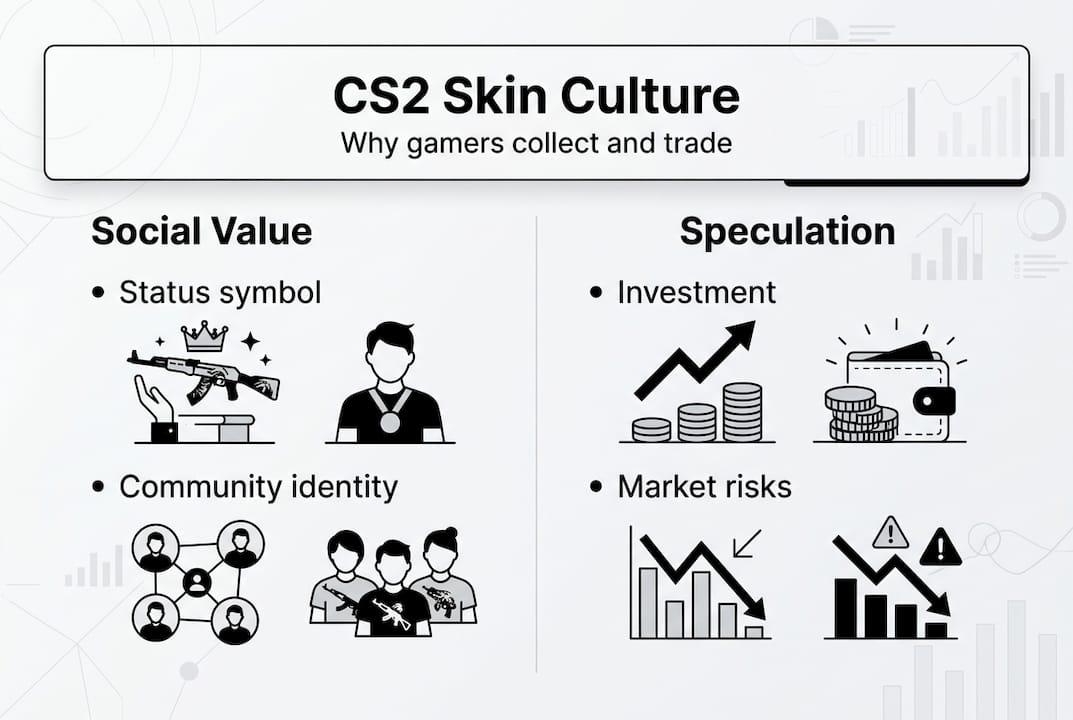
Speculators typically target 20-50% returns on skin investments, identifying items likely to appreciate based on rarity, professional player usage, or upcoming game updates. This strategy works when market conditions remain stable and demand grows predictably. However, pump-and-dump schemes and market manipulation create massive volatility that wipes out speculator profits. Coordinated buying campaigns inflate prices artificially, then organizers dump holdings at peak values, leaving late buyers with depreciated assets.
Game patches and updates introduce additional risk factors that speculators struggle to predict. When Valve adjusts case drop rates or introduces new skin collections, existing item values can crash overnight. AI trading bots exploit these inefficiencies faster than human traders, executing thousands of transactions per second to capture arbitrage opportunities. Individual speculators face significant disadvantages competing against automated systems with superior information processing.
| Strategy | Primary Goal | Risk Level | Typical Behavior |
|---|---|---|---|
| Collecting | Pattern completion and aesthetic satisfaction | Low to Medium | Focuses on specific items regardless of price fluctuations |
| Speculating | Financial returns of 20-50% | Medium to High | Buys undervalued items, sells at market peaks |
| Gambling | Thrill-seeking and entertainment | Very High | Accepts losses as entertainment cost, chases rare unboxings |
The distinction between these approaches matters because each carries different financial and psychological risks. Collectors rarely lose money if they avoid overpaying, since they value items for personal satisfaction rather than resale potential. Speculators face market risk but can profit through informed decisions and patience. Gamblers accept negative expected value as the price of entertainment, similar to casino players.
Pro Tip: If you're treating skins as investments, diversify across multiple items and never invest money you can't afford to lose. Market crashes happen without warning, and even experienced traders suffer significant losses during volatility spikes.
Understanding skin trading mechanics and fees helps you evaluate whether speculative strategies make sense for your situation. Transaction costs and market spreads reduce net returns, making it harder to achieve target profits. Most casual traders would earn better returns through traditional investments, but they participate in skin markets for entertainment value and community engagement rather than pure financial optimization.
How skin collecting impacts gameplay and esports community
The most persistent misconception about skins claims they improve player performance through superior hitboxes, recoil patterns, or damage output. This belief has zero factual basis. Skins provide no gameplay advantage whatsoever, affecting only visual appearance. Valve maintains strict competitive integrity by ensuring all weapon variants perform identically regardless of cosmetic modifications.
However, psychological effects create measurable performance differences. Players report feeling more confident and focused when using premium skins, leading to improved decision-making and execution. This placebo effect operates through self-perception rather than mechanical advantages. When you equip an expensive skin, you unconsciously adopt behaviors associated with skilled players who typically own such items. This mental shift can translate into better performance, even though the skin itself contributes nothing.
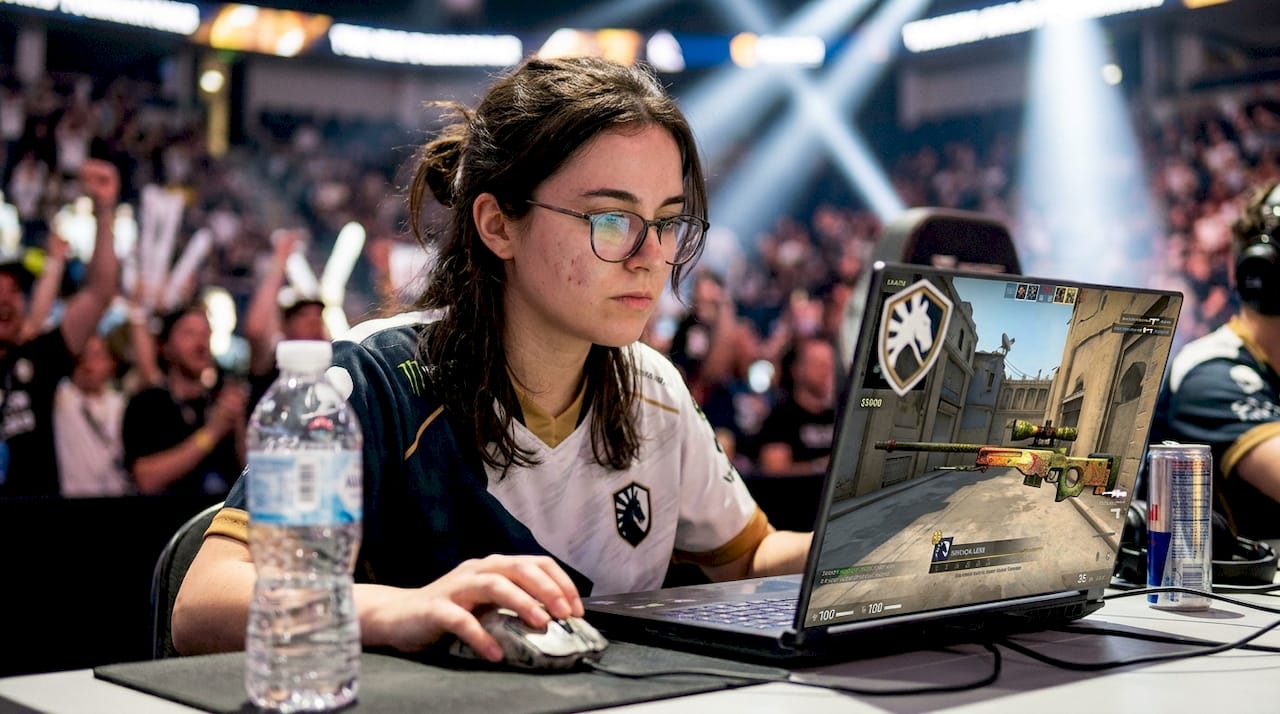
Skins function as status rewards within esports culture, creating aspirational goals that drive engagement. New players watch professionals using rare skins during tournaments and set collection goals based on those examples. This aspiration loop keeps players invested in the game ecosystem, participating in trading communities and following market trends. The social dimension of skin collecting becomes as important as the gameplay itself for many users.
Five primary ways skins impact the CS2 and CS:GO community:
- Creating visible achievement markers that signal dedication and investment
- Driving secondary markets that generate economic activity and trading relationships
- Establishing streamer identities through signature skin collections
- Providing conversation topics and social bonding opportunities among players
- Motivating continued engagement through collection completion goals
The confidence boost from premium skins operates independently of their actual value. A well-worn skin that cost five dollars can provide the same psychological benefit as a factory-new item worth thousands, as long as you personally value it. This suggests the performance effect stems from personal attachment rather than objective rarity or price. Your connection to the item matters more than its market status.
Understanding why skins are valuable requires looking beyond simple supply and demand. Cultural factors, professional player influence, and community aesthetics all contribute to perceived value. These social forces create stable demand for certain items while others depreciate despite similar rarity levels. The esports ecosystem treats skins as cultural artifacts rather than mere cosmetic modifications, explaining their persistent appeal across player demographics.
Explore and upgrade your favorite CS2 skins
Now that you understand the motivations driving skin collecting, you might want to explore these dynamics yourself. DROP.SKIN offers a trusted platform where you can open CS2 cases and experience the thrill of unboxing rare items. The platform provides transparent odds and secure transactions, letting you engage with skin collecting without the risks associated with unregulated sites.
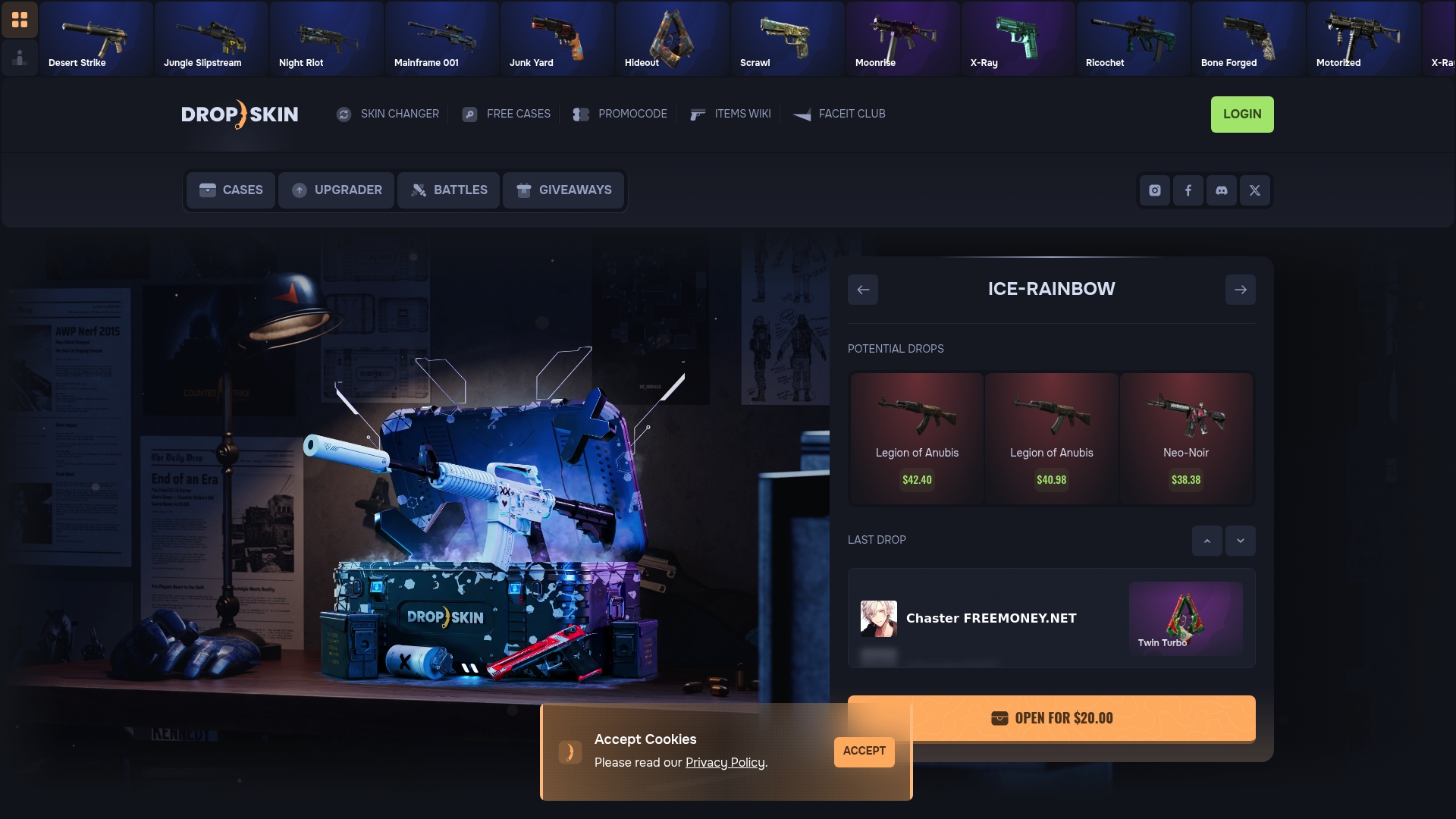
Beyond case openings, DROP.SKIN's upgrader system lets you transform lower-value skins into premium items through calculated trades. This feature appeals to collectors who want to build their inventory strategically rather than relying purely on case luck. Whether you're motivated by social status, psychological rewards, or speculative potential, DROP.SKIN provides tools that align with different collecting strategies. The platform supports the community dynamics discussed throughout this article, offering features that enhance both individual enjoyment and social engagement within the CS2 ecosystem.
Frequently asked questions about why gamers collect skins
Do CS2 skins actually improve gameplay performance?
No, skins provide zero mechanical advantages. They affect only visual appearance, with all weapon variants performing identically. However, the psychological confidence boost from using premium skins can improve decision-making and focus, creating indirect performance benefits through mental state rather than game mechanics.
Why do some players spend thousands on skins?
Motivations vary from social status and community identity to speculative investment and gambling entertainment. Premium skins function as visible status symbols in matches and streams, while some traders treat them as financial assets. The combination of psychological rewards, social validation, and potential economic returns drives high-value collecting behavior.
Are skin collections considered gambling or investing?
It depends on acquisition method and intent. Opening cases qualifies as gambling due to variable ratio reinforcement and uncertain outcomes. Trading existing skins for profit resembles speculation or investing. Collecting for aesthetic satisfaction falls outside both categories. Understanding why collect digital skins helps clarify these distinctions.
How do professional players influence skin values?
Pro player usage creates massive demand spikes for specific skins through aspirational psychology. When champions use particular items during major tournaments, fans rush to acquire the same skins, hoping to capture similar success. This social proof effect maintains premium prices for items associated with successful players and memorable competitive moments.
What risks should new collectors understand?
Market volatility, pump-and-dump schemes, and gambling addiction represent primary risks. Game updates can crash values overnight, coordinated manipulation causes significant losses, and case opening mechanics exploit the same psychological triggers as casino gambling. Set strict budgets, avoid treating skins as guaranteed investments, and recognize when collecting behavior becomes compulsive rather than enjoyable.