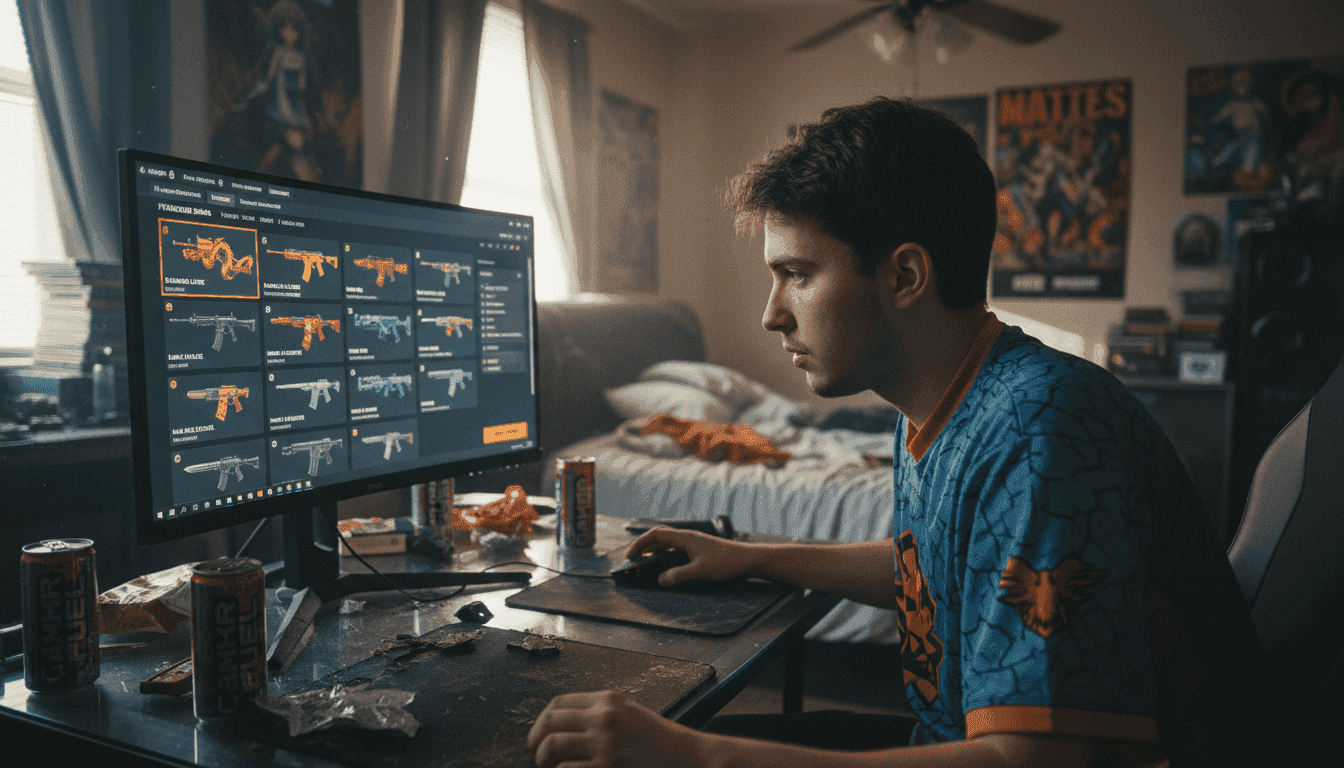
The CS:GO skin market exceeds $1 billion globally, making it one of gaming's most valuable digital economies. Skins transform how players interact with esports, creating status symbols that drive billions in trading and gambling activity. This article explains why skins matter beyond aesthetics, breaking down the economic and social forces that make them essential to modern competitive gaming.
Table of Contents
- What Are Skins And Why They Matter
- Social And Psychological Appeal Of Skins
- Economic Value And Market Dynamics
- Skin Trading And Gambling Dynamics
- Impact On Gameplay And Spectatorship
- Technical And Economic Mechanisms Behind Skins
- Common Misconceptions About Skins
- Practical Insights For Gamers
- Explore Dropskin For Skin Upgrades And Trading
Key takeaways
| Point | Details |
|---|---|
| Skins are purely cosmetic | They personalize weapons without affecting gameplay mechanics or performance. |
| Social status drives demand | Rare skins build recognition and community bonds, increasing engagement by 30%. |
| Economic value varies widely | Rarity tiers and aesthetic appeal create price differences up to 50x between skins. |
| Trading and gambling thrive | Skin gambling accounts for 35% of market transactions through case openings and upgrades. |
| Hybrid platforms increase access | Sites blending trading and entertainment boost liquidity and player participation. |
What are skins and why they matter
Skins are cosmetic digital assets that change weapon appearance in games like CS:GO and CS2. Skins have zero impact on gameplay mechanics, serving purely as personalization tools. They let you customize your arsenal with unique colors, patterns, and designs that reflect your style.
These visual modifications build powerful social recognition within gaming communities. When you equip a rare or expensive skin, other players immediately notice your status and investment in the game. This visibility creates instant credibility during matches and streams.
Skins enable three core functions for players:
- Express individual identity through weapon customization choices
- Signal dedication and experience level to teammates and opponents
- Participate in trading economies and gambling markets
- Build social connections through shared collecting interests
The key distinction separating skins from pay to win mechanics is their cosmetic only nature. A basic weapon performs identically to one with a $10,000 skin. This fairness preserves competitive integrity while allowing self expression. Many players wrongly believe certain skins improve accuracy or damage, but every CS2 skins influence gameplay analysis confirms zero mechanical advantage.
Social and psychological appeal of skins
Rare skins function as digital status symbols within gaming communities. Owning a coveted Dragon Lore or Howl instantly elevates your perceived expertise and commitment. Other players recognize these items as markers of experience or financial investment, creating immediate respect.

This social recognition drives powerful psychological rewards. When teammates comment on your inventory or opponents inspect your weapon mid match, you experience validation that reinforces continued engagement. Communities with active skin giveaways saw 30% higher user engagement compared to those without cosmetic incentives.
Skins facilitate deeper social bonding in several ways:
- Create conversation starters and shared interests between players
- Enable gift giving and trading as relationship building activities
- Establish in group membership through exclusive or limited items
- Generate content for streams and social media sharing
Giveaways and contests amplify these social dynamics dramatically. When platforms run skin competitions, participation rates spike as players chase both the prize and the recognition of winning. This engagement sustains itself because each new skin creates fresh opportunities for display and discussion.
The psychological appeal extends beyond simple ownership. Upgrading a cheap skin into something valuable provides achievement satisfaction similar to game progression. Case openings deliver gambling style excitement with visual rewards. These mechanics keep players invested in skin ecosystems even when not actively playing matches. Understanding why skins are valuable reveals how psychological and social factors combine to sustain billion dollar markets.
Economic value and market dynamics
Skin rarity tiers create structured scarcity that directly influences market prices. The CS:GO and CS2 classification system ranges from Consumer Grade through Covert to Contraband, with each tier representing exponentially lower drop rates. This programmed scarcity mirrors precious metal markets where limited supply drives premium pricing.
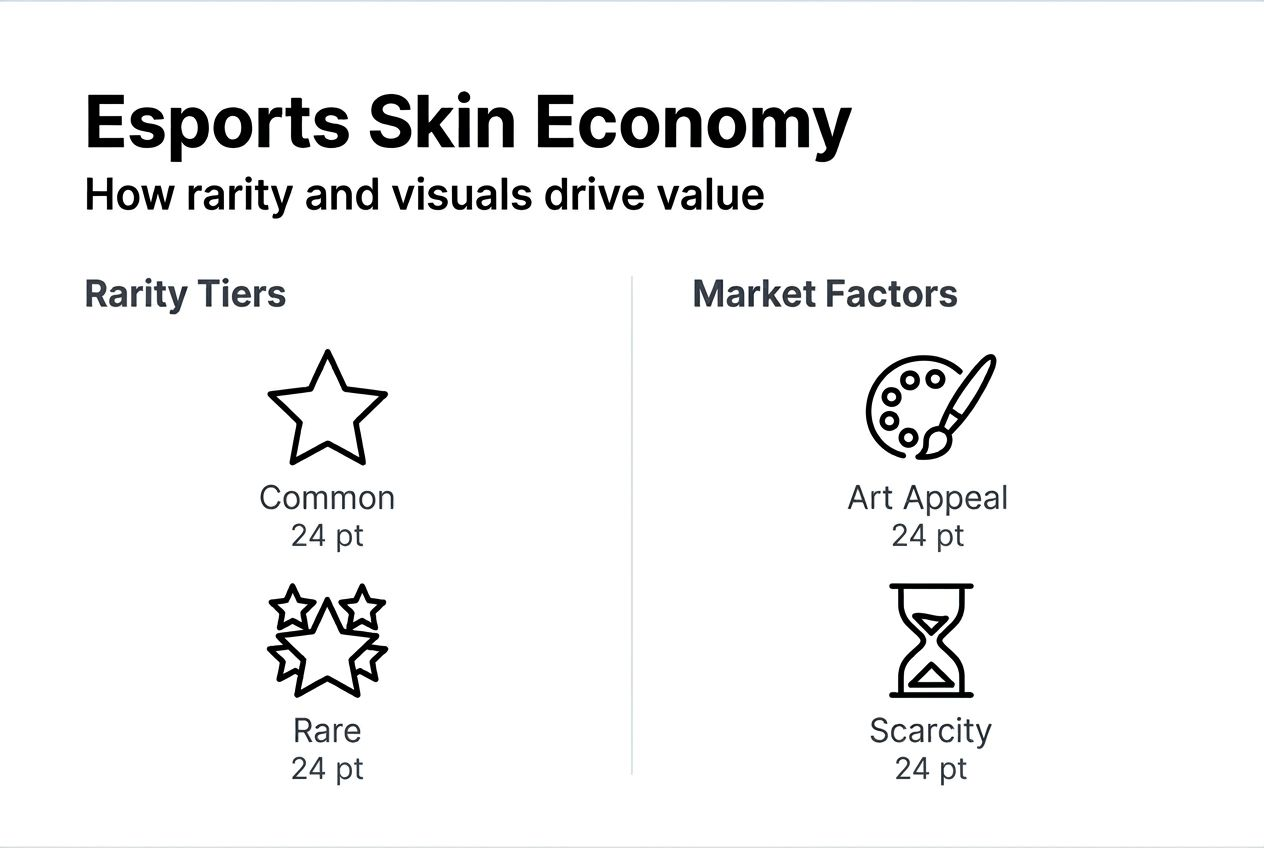
Aesthetic appeal operates independently from rarity to affect value. A common skin with highly desired artwork can command higher prices than a rare but visually unappealing item. Popular collections like Fade, Doppler, and Asiimov patterns consistently maintain value regardless of availability fluctuations.
The skin economy in CS:GO exceeds $1 billion USD, driven by these combined factors. Market size continues growing as new players enter trading and existing collectors upgrade inventories. Third party marketplaces facilitate billions in annual transactions outside official Steam markets.
| Rarity Tier | Approximate Drop Rate | Average Price Multiplier |
|---|---|---|
| Consumer Grade | 80% | 1x baseline |
| Industrial Grade | 15% | 3x to 5x |
| Mil Spec | 4% | 10x to 15x |
| Restricted | 0.8% | 25x to 40x |
| Classified | 0.15% | 50x to 100x |
| Covert | 0.04% | 200x to 500x |
| Contraband | Legacy only | 1000x plus |
Hybrid platforms combining gambling and trading increase overall liquidity. These sites let you convert skins into credits, open cases, upgrade items, and trade back into skins seamlessly. This fluid ecosystem attracts more participants by reducing friction in moving between activities. Players tracking skin value in CS2 recognize how platform features influence real time pricing.
Market dynamics shift noticeably between CSGO vs CS2 skins as game updates alter availability and demand. Legacy items from CS:GO often appreciate when they become unobtainable in CS2, creating investment opportunities for informed traders. Understanding CS2 skin rarity explained helps you identify undervalued items before market corrections.
Pro Tip: Track rarity tier changes and community sentiment on social media to spot emerging trends before prices adjust. Buying during temporary oversupply and selling during content creator hype cycles maximizes trading profits.
Skin trading and gambling dynamics
Skin gambling constitutes a massive portion of the ecosystem. Skin gambling accounts for 35% of market transactions, with platforms offering case openings, battles, and upgrade systems. These activities blend entertainment with potential profit, attracting players who enjoy risk and reward mechanics.
Case openings function as loot box gambling where you pay a fixed amount for random skin rewards. Case opening revenues in CS:GO and CS2 surpassed $200 million in 2025 due to the addictive nature of possible high value drops. Each opening delivers visual excitement through animations and reveal sequences that trigger dopamine responses.
Upgrading mechanics add strategic layers to gambling. You select a target skin worth more than your current item, then accept calculated odds to either win the upgrade or lose your skin. This system appeals to players who want more control than pure luck provides while maintaining gambling excitement.
Hybrid platforms successfully merge entertainment and practical trading:
- Instant skin deposits and withdrawals without Steam trade holds
- Transparent odds and provably fair systems building user trust
- Social features like battles where friends compete for pooled skins
- Reward programs and rakeback reducing effective gambling costs
Responsible engagement with skin gambling requires following these steps:
- Set strict budget limits you can afford to lose completely
- Research platform reputation through community reviews and history
- Understand posted odds and house edge before participating
- Never chase losses by depositing more after losing streaks
- Use gambling as entertainment, not income generation
Players exploring the role of skins in CS:GO discover how these items enable entirely new market categories. The skin upgrader impact extends beyond individual wins to create sustained engagement through progression systems. Comparing skin trading alternatives reveals varied approaches to balancing entertainment and commerce.
Pro Tip: Start with low value skins to learn platform mechanics and odds before risking expensive items. Many sites offer free daily cases or bonuses that let you test systems without deposits. Understanding advantages of skin gambling helps you make informed participation decisions.
Impact on gameplay and spectatorship
Skins provide zero gameplay advantages despite persistent myths. A Factory New AWP Dragon Lore shoots identically to a stock AWP with default appearance. Skins increase player immersion by 40% in tournaments while maintaining competitive fairness.
This cosmetic only design preserves esports integrity. Professional tournaments would ban skins immediately if they affected weapon performance, but major events actively showcase rare inventories. Players compete on equal mechanical footing regardless of skin investment.
Visible customization enhances player engagement significantly:
- Personalized weapons increase emotional connection to matches
- Unique inventories make streams more visually interesting
- Skin showcases during tournaments generate viewer discussion
- Professional player inventories influence community trends
Spectatorship benefits substantially from skin aesthetics. Tournament broadcasts highlight player inventories during knife rounds and timeouts, creating additional content beyond pure gameplay. Viewers discuss rare items in chat, building community engagement around both competition and collecting.
Skins enhance the viewing experience and player satisfaction without compromising competitive balance. They add personality to professional play while ensuring every player competes on identical mechanical terms.
The psychological boost from equipped skins can improve performance indirectly. Players report feeling more confident and focused when using favorite items, though this stems from mental association rather than game mechanics. This placebo effect demonstrates skins' power to affect player experience even without mechanical changes.
Tournament organizers leverage skins for additional revenue and engagement. Viewer drop systems reward watchers with random skins, dramatically increasing stream numbers. Major events create exclusive souvenir skins that commemorate specific matches, building collectible markets around competitive history.
Technical and economic mechanisms behind skins
Skin rarity operates through algorithmic systems controlling drop probabilities. Case openings use predetermined odds that ensure specific rarity distributions across millions of openings. These programmed rates create predictable scarcity that sustains market stability.
Loot box mechanics generate recurring revenue through microtransactions. Players purchase keys or credits to open cases containing random skins. Tiered loot boxes with fixed odds generate significant revenue, exceeding $200 million in 2025. This model succeeds because potential high value rewards justify repeated small purchases.
Upgrading systems add complexity to basic case mechanics:
- Players select target skins with posted success probabilities
- Failed upgrades consume the input skin, creating item destruction
- Successful upgrades generate new items, affecting overall supply
- Upgraded skins often carry special markings or float values
These mechanics work together to maintain economic balance. Case openings inject new skins into circulation while upgrades remove items through failures. The skin upgrader impact extends to market wide supply control through these destruction mechanisms.
Float values add another technical layer affecting prices. Each skin has a wear rating from 0.00 (Factory New) to 1.00 (Battle Scarred) that influences appearance and value. Lower float items within the same rarity tier command premium prices due to superior visual condition.
The technical infrastructure supporting skin economies includes:
- Steam API integration enabling automated trading and deposits
- Blockchain verification systems ensuring item authenticity
- Database tracking of ownership history and transaction records
- Automated pricing algorithms analyzing real time market data
Understanding these mechanisms helps traders identify value opportunities. Items near float boundaries or from cases about to retire often appreciate as supply tightens. The economics of case openings reveal how programmed scarcity creates predictable market behavior.
Common misconceptions about skins
Myth: Skins improve weapon performance. Fact: Skins are purely cosmetic with zero mechanical effects on damage, accuracy, or recoil. Every weapon performs identically regardless of equipped skin.
Myth: All skins within a rarity tier have equal value. Fact: Value varies dramatically based on aesthetic appeal, collection popularity, and float condition. Price differences can reach 50x between unpopular and desired items in the same tier.
Myth: Skin rarity is completely random without set odds. Fact: Drop rates follow controlled probabilities programmed into case algorithms. Covert items appear roughly 0.04% of the time across millions of openings.
These misconceptions cause poor trading decisions. New traders overpay for high rarity items with low aesthetic appeal, assuming rarity alone determines value. Others avoid gambling entirely believing odds are manipulated, missing legitimate entertainment opportunities on transparent platforms.
The gameplay advantage myth particularly persists despite clear evidence. Some players claim certain skins feel more accurate or damage enemies faster. These perceived differences stem from psychological factors like confidence and placebo effects, not actual mechanical changes.
Market misunderstandings lead to financial losses:
- Buying unpopular Covert skins expecting automatic profit
- Ignoring float values and overpaying for high wear items
- Panic selling during temporary market dips
- Trading without researching current community demand trends
Pro Tip: Always verify skin values through multiple marketplaces and community price checking tools before completing trades. Cross reference current listings with recent sale history to identify fair market rates and avoid scams.
Practical insights for gamers
Successful skin trading requires focusing on rarity combined with community demand trends. Monitor social media, content creator inventories, and tournament showcases to identify rising interest before prices adjust. Items featured in popular streams often appreciate 20% to 30% within days.
Hybrid gambling and trading platforms offer superior liquidity compared to Steam marketplace alone. These sites eliminate seven day trade holds and provide instant access to funds through skin deposits. You can quickly capitalize on market movements without waiting for transfer restrictions.
Avoid trading decisions based on gameplay myths. Focus purely on aesthetic appeal, rarity tier, float condition, and current market demand. Believing skins affect performance leads to overvaluing items without corresponding market support.
Strategic approaches for maximizing skin value:
- Buy during market oversupply after major case releases
- Sell during hype cycles following tournament wins or content creator features
- Focus collections with sustained popularity like Doppler and Fade
- Track float values to identify underpriced low wear items
- Diversify inventory across price ranges to maintain liquidity
Platform selection significantly impacts trading success. Research user reviews, verify withdrawal processes, and confirm provably fair systems before depositing valuable skins. Established platforms with years of operation history present lower risk than new sites.
Pro Tip: Join trading communities and Discord servers focused on CS2 skins to access real time market intelligence and trade opportunities before they reach public marketplaces. Early information advantages generate consistent profits. Following CS2 skin collecting tips provides structured approaches to building valuable inventories.
Explore Dropskin for skin upgrades and trading
Now that you understand why skins drive esports engagement and value, put that knowledge into action. Dropskin.com offers case openings and skin upgrading tools that let you apply market insights directly. Our platform combines transparent odds with instant deposits and withdrawals, eliminating friction between gambling entertainment and practical trading.
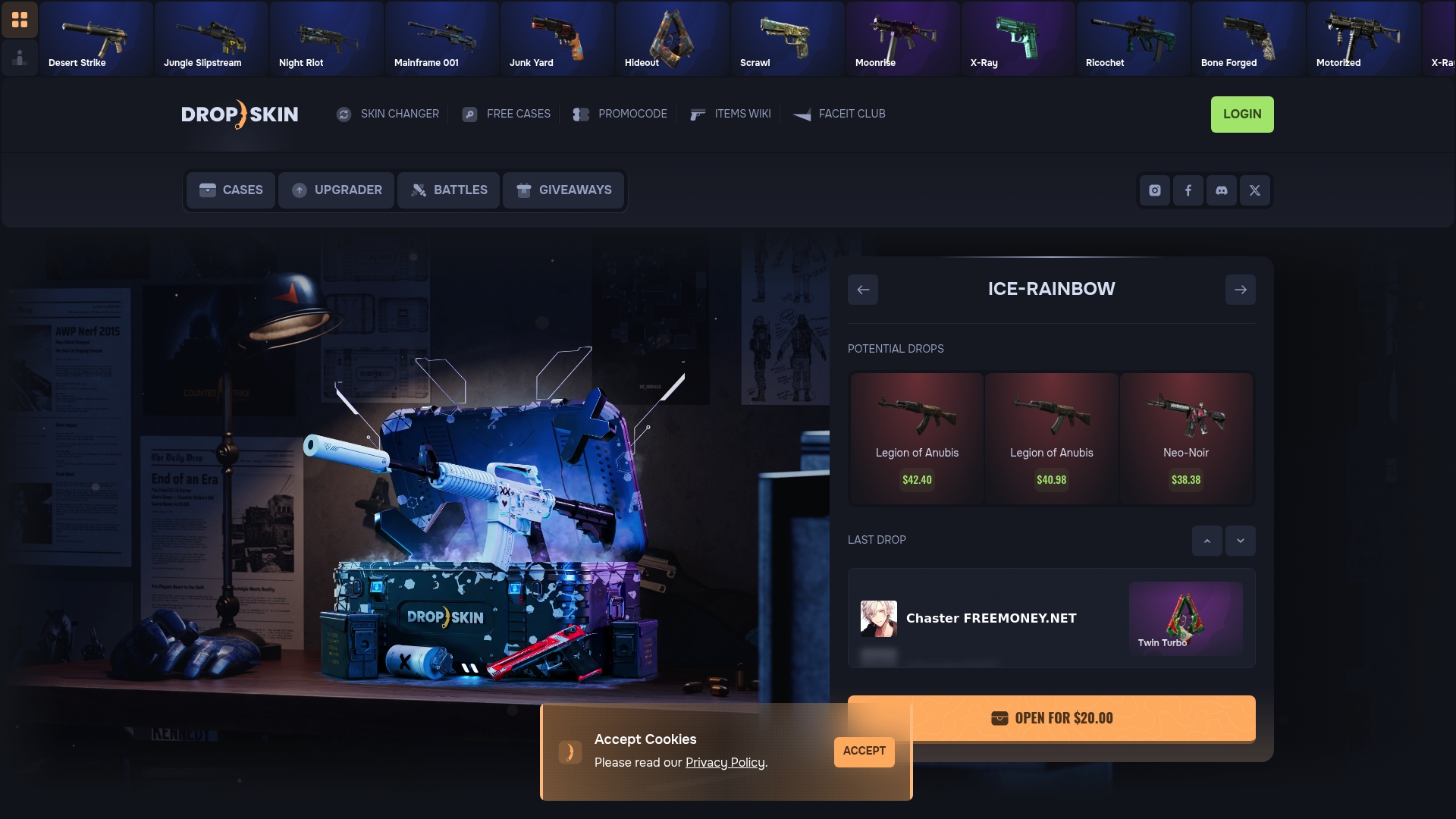
Explore DROP.SKIN case openings featuring extensive collections with posted probabilities. Try the CS2 skin upgrader to transform lower value items into premium skins using strategic odds. Visit Dropskin home to discover giveaways, battles, and community features that maximize both enjoyment and potential returns from your skin investments.
FAQ
What do skins do in esports?
Skins personalize weapon appearance and build social identity within gaming communities. They enable self expression and status signaling without affecting game mechanics. Players use skins to stand out during matches and streams while participating in trading economies.
How is skin rarity determined?
Rarity follows programmed odds in loot box systems with fixed probabilities per tier. Algorithms control drop rates to ensure predictable scarcity across millions of case openings. Tiers range from common Consumer Grade at 80% to extremely rare Contraband items no longer obtainable.
Can skins give a gameplay advantage?
No, skins only change visual appearance without influencing weapon performance. Damage, accuracy, recoil, and all mechanical stats remain identical regardless of equipped skin. This design preserves competitive fairness while allowing cosmetic personalization.
How do skins influence gambling and trading?
Skins function as currency in gambling and trading markets worth over $1 billion globally. Case openings and upgrading mechanics generate entertainment value while creating speculative investment opportunities. Gambling accounts for 35% of all skin transactions through platforms offering battles, upgrades, and loot systems.
What should I consider when trading or gambling skins?
Focus on rarity tier, aesthetic demand, and float condition rather than gameplay myths. Use reputable hybrid platforms with transparent odds and verified withdrawal processes. Set strict budgets, research market trends through community sources, and avoid chasing losses through emotional trading decisions.