TL;DR:
- Players often lose skins to scams, bad pricing, and emotional betting mistakes.
- Verifying site security, accurate skin valuation, and setting clear betting limits are crucial.
- Experienced bettors follow strict processes, check platform credibility, and avoid emotional reactions.
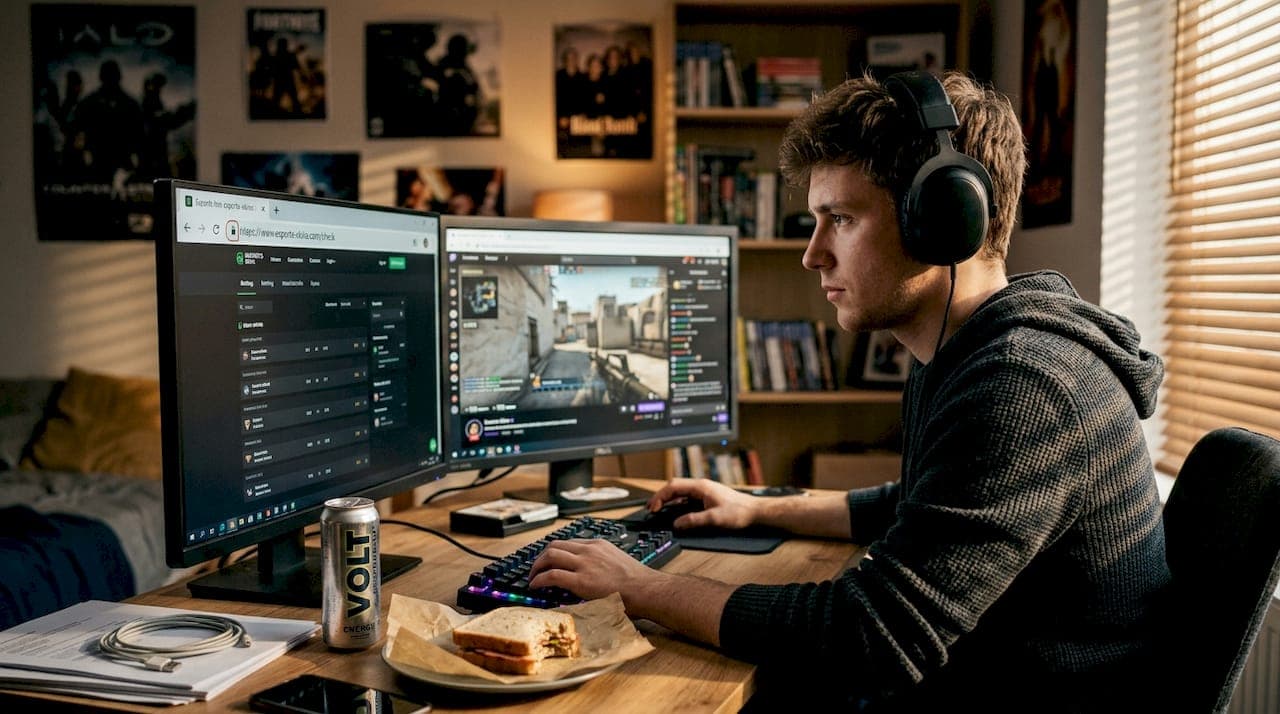
Turning a modest skin collection into something seriously valuable sounds like the dream, and for some CS2 players it actually happens. But for every big win, there are dozens of players who lose their best skins to completely avoidable mistakes. Scams, bad pricing calls, emotional bets, and shaky platforms wipe out inventories every single day, and the painful part is that even veterans get caught. Knowing these traps in advance is genuinely worth as much as picking the right wager. This article breaks down the four biggest mistakes skin bettors make in 2026 and gives you concrete steps to sidestep every one of them.
Table of Contents
- Falling for scams: Phishing links, fake sites, and bot traps
- Misjudging skin values: Overpaying, undervaluing, and risky bets
- Ignoring responsible betting: Chasing losses and failing to set limits
- Neglecting security and platform research
- Why most players miss the real risk and what experts actually do differently
- Level up your skin betting with trusted tools
- Frequently asked questions
Key Takeaways
| Point | Details |
|---|---|
| Spot scams first | Recognize phishing sites, fake bots, and scam tactics to avoid costly mistakes. |
| Know your skins' value | Always cross-check skin prices before betting or trading to prevent overpaying. |
| Set strict limits | Establish a loss ceiling and stick to your betting plan to keep your skin inventory safe. |
| Prioritize security | Choose trusted platforms and enable strong account protections like 2FA. |
| Think like a pro | Adopt a skeptical mindset and verify everything—assume every new offer may be a trap. |
Falling for scams: Phishing links, fake sites, and bot traps
The CS2 skin betting scene is full of creative criminals. Phishing, fake sites, and API scams are among the most common ways players lose their inventories overnight, and the tactics keep evolving. If you think you're too experienced to fall for one, that confidence is exactly what scammers count on.
The most dangerous scams right now include:
- Fake trading bots that mimic legitimate platforms and swap your rare skin for a worthless copy at the last second.
- API key phishing, where a fake site asks you to connect your Steam API key, then uses it to hijack your trade offers.
- Imitation betting sites that look pixel-perfect but redirect your deposit to a scammer's wallet.
- Overpay tricks, where someone offers you more than market value for a skin, then cancels and resends a different trade hoping you confirm without checking.
Avoiding these starts with basic habits. Always check the URL character by character before logging in. Look for the SSL padlock in your browser. Never enter your Steam credentials on a site you reached through a chat link or a DM. Understanding common skin trading mistakes can also help you recognize patterns before they cost you.
Pro Tip: Only use platforms that display a verified SSL certificate, have an active community presence, and appear in trusted CS2 forums. If a site launched last month and has zero user reviews, that's a red flag you cannot ignore.
Here's a quick comparison to help you tell legitimate platforms from scam operations:
| Feature | Legitimate site | Scam site |
|---|---|---|
| SSL certificate | Always present | Often missing or fake |
| Community reviews | Consistent, dated history | Sparse or fabricated |
| Trade confirmation flow | Clear, step-by-step | Rushed or confusing |
| API key request | Never required | Frequently demanded |
| Contact and support | Visible and responsive | Hidden or nonexistent |
Also pay close attention to skin trading and fees on any platform you use. Legitimate sites are transparent about their fee structures. If a site hides its costs or changes them without notice, treat that as a serious warning sign.
Misjudging skin values: Overpaying, undervaluing, and risky bets
Spotting scams is crucial, but even legitimate sites present risks if you misjudge a skin's worth. Pricing errors are quietly one of the biggest ways players bleed value over time, and they happen to careful bettors too.

Overpay scams are a well-known tactic, but honest misjudgment is just as damaging. Players often rely on a single outdated price source, get pressured by a "limited time" offer, or confuse a skin's visual appeal with its actual market demand. A flashy knife skin isn't always worth what you think if the float value is off or the pattern index is weak.
Before you price any skin, check these sources:
- Steam Community Market for real-time sale history.
- Buff163 or CSFloat for float-specific pricing.
- Skinport for recent completed transactions.
- CS2 trading subreddits for community consensus on rare patterns.
Pro Tip: Always cross-check with at least two pricing platforms before making a move. A 10-minute check can save you from a 40% loss on a single trade.
Here's how market values often differ from what you'll see in offers:
| Skin type | Typical market value | Common offer value | Risk level |
|---|---|---|---|
| Factory New knife | High, stable | Often inflated | Medium |
| Rare pattern (e.g., Case Hardened) | Variable, pattern-dependent | Frequently undervalued | High |
| Popular rifle skin | Moderate, liquid | Usually fair | Low |
| Battle-scarred common skin | Low | Often overstated | Medium |
Looking at real CS2 skin gambling case studies shows a clear pattern: players who skip the pricing step consistently lose more over time than those who spend a few minutes verifying. Also, keeping up with skin trading trends in 2026 helps you anticipate which skins are gaining or losing demand before you commit to a bet.
Ignoring responsible betting: Chasing losses and failing to set limits
Once you know your skin's value, it's just as important not to let emotions override smart decisions. This is where a lot of players quietly destroy their inventories, not through scams, but through their own behavior.
Emotional decision-making, chasing losses, and the absence of clear limits are among the most common reasons players exit skin betting with nothing. You lose a big bet, and the instinct is to go bigger to win it back. That cycle rarely ends well.
Here's a simple betting plan you can actually stick to:
- Set a session budget before you start. Decide the maximum value of skins you're willing to risk today, and treat it as spent the moment you sit down.
- Define a stop-loss limit. If you lose 30% of your session budget, stop. No exceptions.
- Take a break after a big win. Winning streaks create overconfidence just as fast as losing streaks create desperation.
- Never bet to recover. Each bet is independent. The last one has no bearing on the next.
- Review your session after the fact. Track what you bet, why, and what happened. Patterns will emerge.
"The players who last in this space aren't the luckiest ones. They're the ones who treat every session like a business decision, not an emotional reaction." A consistent observation from experienced CS2 skin bettors.
Pro Tip: Never bet more than 5% of your total skin inventory on a single wager. This keeps one bad outcome from becoming a catastrophic loss.
Reading up on safe skin gambling tips gives you a stronger framework for building these habits. And if you want a deeper look at the actual risks involved, the skin betting risk guide lays out exactly what you're up against when discipline slips.
Neglecting security and platform research
Setting limits helps prevent risky behavior, but staying safe also means investigating where you play. A lot of players pick a platform based on a YouTube ad or a Discord recommendation and never look deeper. That's a mistake that can cost you everything.
Phishing and fake sites remain the leading causes of inventory loss across the CS2 skin community. Even sites that look polished can be poorly secured or outright fraudulent.
Before trusting any betting site, ask yourself:
- How long has this site been operating, and can I verify that?
- Is there a public track record of payouts and disputes?
- Does the site have active social media updated within the last 30 days?
- Are there independent reviews on forums outside the site's own community?
- Does the platform require anything beyond a standard Steam login?
Pro Tip: Check for consistently active social media and recent community feedback as part of your research. A site that went quiet six months ago is a site you should avoid.
Here's a security checklist to run through for every platform you consider:
| Security feature | What to look for | Why it matters |
|---|---|---|
| SSL certificate | Padlock icon in browser bar | Encrypts your data in transit |
| Two-factor authentication | Available and encouraged | Blocks unauthorized account access |
| Trade confirmation emails | Sent for every transaction | Catches hijacked trades early |
| Transparent ownership | Named team or company | Accountability if something goes wrong |
| Withdrawal history | Publicly verifiable | Proves the site actually pays out |
Following a safe skin betting workflow before every session removes most of the risk from platform choice. If you're newer to this space, the step-by-step betting guide walks you through the full process, and learning how to trade CS2 skins safely gives you the foundation to operate on any platform with confidence.
Why most players miss the real risk and what experts actually do differently
Here's the uncomfortable truth: most players focus almost entirely on odds and skin values while completely ignoring process. They ask "what should I bet?" when the smarter question is "how should I operate?"
Even seasoned players miss hidden traps embedded in platform design and psychological pressure tactics. The pros who consistently come out ahead aren't just luckier. They run the same mental checklist before every single trade, no matter how routine it feels.
"Before I confirm anything, I verify the URL, check the trade summary twice, and ask myself if I'd be comfortable explaining this decision out loud. If the answer is no, I don't do it."
That kind of skepticism sounds paranoid until you've lost a $400 knife to a bot swap. Treat every new site or offer as suspicious until it proves otherwise. That's not pessimism. That's how you stay in the game long enough to actually win.
Understanding the advantages of skin trading also reframes how you approach risk. When you see trading as a long-term strategy rather than a quick flip, you naturally become more careful, more patient, and much harder to scam.
Level up your skin betting with trusted tools
You've now got the knowledge to avoid the most costly mistakes in skin betting. The next step is putting that knowledge to work with a platform built for smart, safe play.
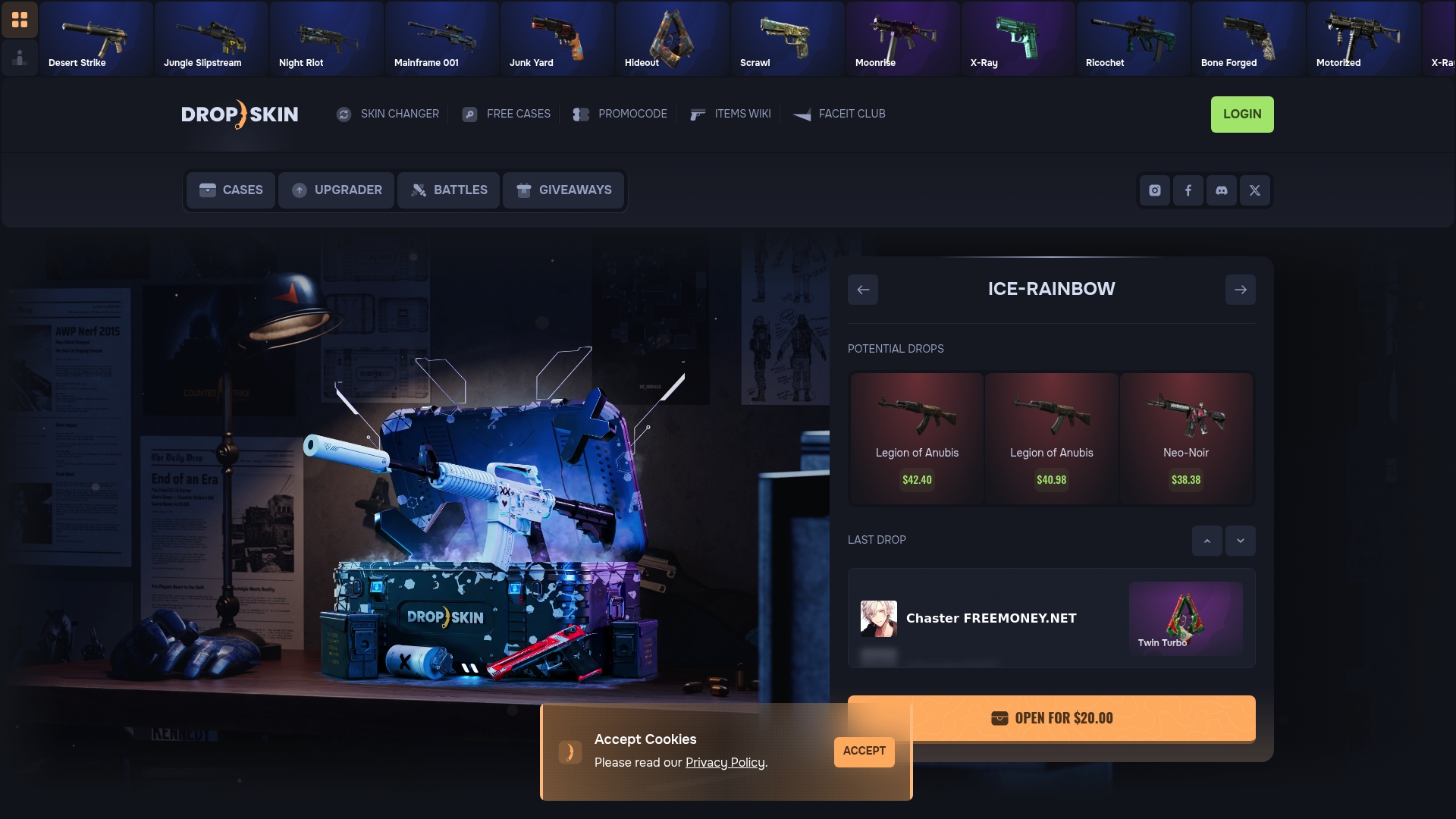
At Dropskin.com, you can use the CS2 skin upgrader to turn lower-value skins into premium ones without exposing yourself to shady third-party trades. Before you bet or upgrade, run a quick check with the skin price checker to confirm real market values in seconds. Dropskin combines the tools you need to play smarter, with a community-backed platform you can actually trust. Stop guessing and start betting with real information behind every decision.
Frequently asked questions
What are the top signs a skin betting site might be a scam?
Warning signs include requests for your Steam API key, no SSL padlock in the browser, and zero recent user feedback. Fake bots and phishing links are among the most reported scam methods in 2026.
How do I accurately check the value of a CS2 skin before betting?
Cross-check at least two reputable price databases like Steam Market and CSFloat, then confirm recent completed sales. Overpay tactics are specifically designed to exploit players who skip this step.
What's the easiest way to secure my skin betting account?
Enable two-factor authentication immediately and use a unique, strong password for every trading and gaming platform you use. This single step blocks the majority of unauthorized access attempts.
Why shouldn't I chase losses in skin gambling?
Chasing losses puts you in an emotional state where you make larger, riskier bets to recover what you've already lost, which almost always accelerates the damage. Emotional decisions and lack of limits are consistently cited as the primary driver of major inventory losses.