TL;DR:
- The $5 billion CS2 skin economy involves significant risks, including scams and account bans.
- Skin betting on unregulated sites exposes players to financial loss, legal issues, and addiction.
- Responsible players should verify site licenses, understand risk profiles, and avoid unlicensed platforms.
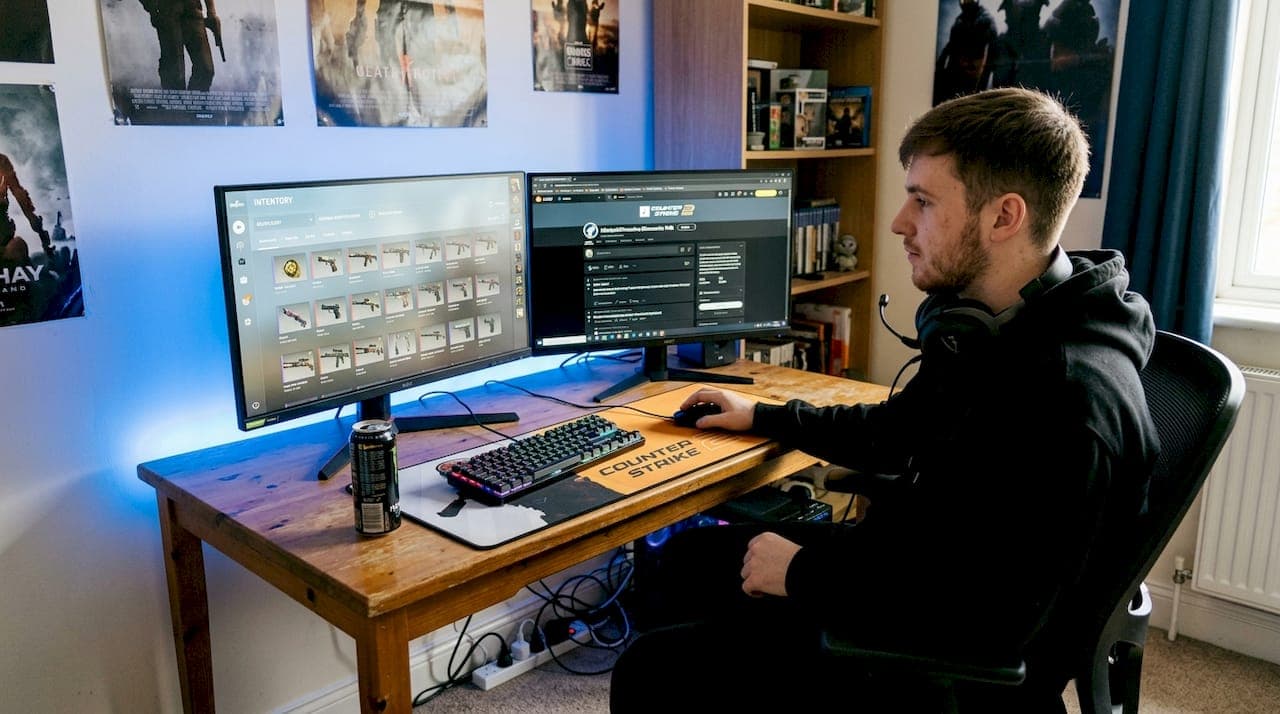
The CS2 skin economy moves serious money. The skins market exceeds $5 billion and more than 50 betting sites are accessible from the UK alone, yet most players have no real picture of the dangers hiding behind the hype. Skins look like cosmetic items, but the moment they carry real-world cash value, every bet carries real-world consequences. Lost skins, banned accounts, scam sites, and legal exposure are not edge cases. They happen constantly. This article breaks down exactly how skin betting works, what the major risks are, and how to compare them so you can make smarter decisions before you put anything on the line.
Table of Contents
- How skin betting works in CS:GO and CS2
- Top risks of skin betting: The essential list
- Comparing risk levels: Casino games vs. esports bets vs. case openings
- Legal controversies and the future of skin betting
- Our take: What most CS:GO and CS2 guides miss about skin betting risk
- Explore safe skin trading and betting experiences
- Frequently asked questions
Key Takeaways
| Point | Details |
|---|---|
| Unregulated market | Skin betting sites often lack oversight, age checks, and player protection. |
| High scam risk | Players regularly face fake sites, poor withdrawals, and stolen skins with little recourse. |
| Legal consequences | Skin betting can lead to account bans and is illegal in some regions without a license. |
| Varying risk by bet type | Casino-style games, esports bets, and case openings offer different danger levels. |
| Valve crackdown | In 2025, Valve intensified restrictions and banning policies on skin betting in CS:GO and CS2. |
How skin betting works in CS:GO and CS2
Before you can judge the risk, you need to understand what you are actually dealing with. Skins are cosmetic weapon finishes in CS:GO and CS2 that change the look of your gun without affecting gameplay. What makes them unusual is that the role of skins in CS:GO goes far beyond decoration. Rare skins trade on the Steam Community Market and third-party platforms for hundreds or even thousands of dollars, giving them genuine financial weight.
Skin betting sites exploit that value. Players wager CS:GO/CS2 skins on a wide variety of games and bet types, treating those cosmetics exactly like casino chips. The basic flow looks like this:
- Deposit: You send skins from your Steam inventory to the site's bot.
- Wager: You place bets using your deposited skin balance.
- Outcome: You win more skins, lose yours, or cash out at a rate the site controls.
- Withdraw: You request skins or sometimes cash back, subject to site rules and fees.
The three main formats you will encounter on a CS2 skin betting guide are casino-style games, esports match wagering, and case openings. Each carries its own risk profile.
| Betting type | How it works | Key risk point |
|---|---|---|
| Casino-style (roulette, crash) | Bet skin value on random outcomes | High house edge, no transparency |
| Esports match wagering | Predict match winners using skins as stakes | Match fixing exposure, site insolvency |
| Case openings | Pay to open virtual cases for random skins | Near-zero expected return, addictive loop |
The vulnerability in every format is the same: once your skins leave your Steam inventory and enter a third-party site, you have almost no legal protection. The site sets the odds. The site controls withdrawals. And the site can disappear overnight with your balance intact.
Top risks of skin betting: The essential list
With the mechanics clear, it's time to examine the spectrum of risks facing anyone considering skin betting. These are not hypothetical warnings. They are documented, recurring problems across the ecosystem.
- Unregulated market with no player recourse. Most skin betting sites operate without a gambling license. Sites lack regulation, age checks and Valve explicitly prohibits these activities. If a site cheats you, there is no regulator to complain to and no chargeback option.
- Steam account bans. Valve's terms of service forbid using Steam accounts for gambling. Players caught using skin betting services risk permanent bans, losing every skin in their inventory.
- Scam sites and fake withdrawals. Fake and scam sites are widespread, with manipulated odds, poor withdrawal rates, and outright theft of deposited skins through phishing or rigged bots.
- Underage gambling. Age verification on most sites is weak or absent. Minors access these platforms regularly, creating serious harm and legal liability.
- Legal exposure by region. Depending on where you live, participating in skin betting could technically make you liable under local gambling laws.
- Money laundering flows. Skins are used to move real money across borders with minimal traceability, which means the platform you use could be part of a criminal operation without you knowing.
"The skin economy's lack of oversight creates a perfect environment for exploitation. Players assume the platform is fair because it looks professional. That assumption is often wrong."
Pro Tip: Before depositing anything, check whether the site holds a valid gambling license in a recognized jurisdiction. If you cannot find one in under 60 seconds, treat it as a red flag and walk away. Reviewing safe skin gambling tips and understanding skin trading mistakes can save you significant losses. A solid safe betting workflow makes a real difference.
Comparing risk levels: Casino games vs. esports bets vs. case openings
The types of skin betting carry different flavors of risk. Next, let's compare them side by side so you know exactly where the biggest dangers concentrate.
| Factor | Casino-style games | Esports match bets | Case openings |
|---|---|---|---|
| House edge | Very high (often 10-30%) | Moderate (site takes cut) | Extreme (often 80%+ in house favor) |
| Player agency | Very low | Moderate (knowledge helps) | None |
| Withdrawal reliability | Low | Low to moderate | Very low |
| Fraud likelihood | High | Moderate | Moderate to high |
| Addiction risk | Very high | Moderate | Very high |
Casino-style games like roulette and crash are the most immediately dangerous. The house edge on unregulated skin sites is rarely disclosed and often far worse than a licensed casino. You have no way to verify the random number generator is fair.

Esports match betting gives you slightly more agency because game knowledge matters. But it introduces match-fixing risk, and if the site holding your skins goes under before you withdraw, you lose everything regardless of how smart your bet was.
Case openings are deceptively dangerous. The loop feels low-stakes because individual cases are cheap, but skin betting is high-risk like slots and particularly dangerous for under-18s. The expected return per case is deeply negative, and the variable reward structure is engineered to keep you opening more. Understanding the skin gambling advantages and limitations together gives you a far clearer picture than most sites want you to have.
Key stat: Research consistently shows that case openings mirror the mechanics of slot machines more closely than any other gambling format, with return-to-player rates that would be illegal in most licensed casino environments.
Legal controversies and the future of skin betting
While risk varies by bet type, the overall environment is shaped by complex and changing legal realities. Here is what every player should know heading into 2026.
Skin betting is illegal in Great Britain without a proper license and sits in a legal gray area across most of the world. That gray area is shrinking fast.
- Valve's enforcement actions: In 2025, Valve banned skin betting sponsorships from CS2 tournaments and restricted third-party API access, cutting off the data feeds many betting sites relied on.
- Regional legal shifts: The EU, UK, and several US states have moved toward classifying skin betting as gambling, triggering licensing requirements and age verification mandates.
- Player account risk: Even if your country has not yet acted, Valve's own terms apply globally. Your account is always at risk.
- Industry adaptation: Some sites are pursuing actual gambling licenses. Most are not, and many will simply relocate to less-regulated jurisdictions.
Pro Tip: Follow esports skin controversies and news around skin culture in CS:GO to stay ahead of regulatory changes that could affect your inventory's value overnight.
The broader gaming investments trend is pulling serious money into the esports space, which means regulators are paying closer attention than ever before. More scrutiny means more enforcement, and players caught on the wrong side of that line face real consequences, not just warnings.
The most likely near-term outcome is a split market: a small number of licensed, compliant platforms operating openly, and a large underground of unlicensed sites serving players in regions with weak enforcement. Knowing which side of that line your platform sits on is now a basic survival skill.
Our take: What most CS:GO and CS2 guides miss about skin betting risk
Now that we have unpacked the main external risks, here is a critical perspective we think most players are missing.
Every risk list talks about lost skins and banned accounts. Almost none of them talk about what repeated losses do to your behavior over time. Dr. Heather Wardle considers skin betting a predictor of long-term harm, comparing it to high-risk slot gambling for under-18s. But that harm pattern applies to adults too.
Slow, repeated losses normalize chasing. You stop treating skins as real money because the abstraction makes it feel like a game. That psychological shift is where the real danger lives. Your reputation in trading communities also takes a hit when you are known as someone who burned their inventory on sketchy sites.
The accountability gap is the thing most guides skip entirely. There is no one to call when you lose. No refund. No appeal. Building a safe betting workflow before you ever deposit is not optional caution. It is the only protection you actually have.
Explore safe skin trading and betting experiences
Understanding the risks is only half the battle. Here is how you can stay safe and still enjoy the excitement of CS2 skins.
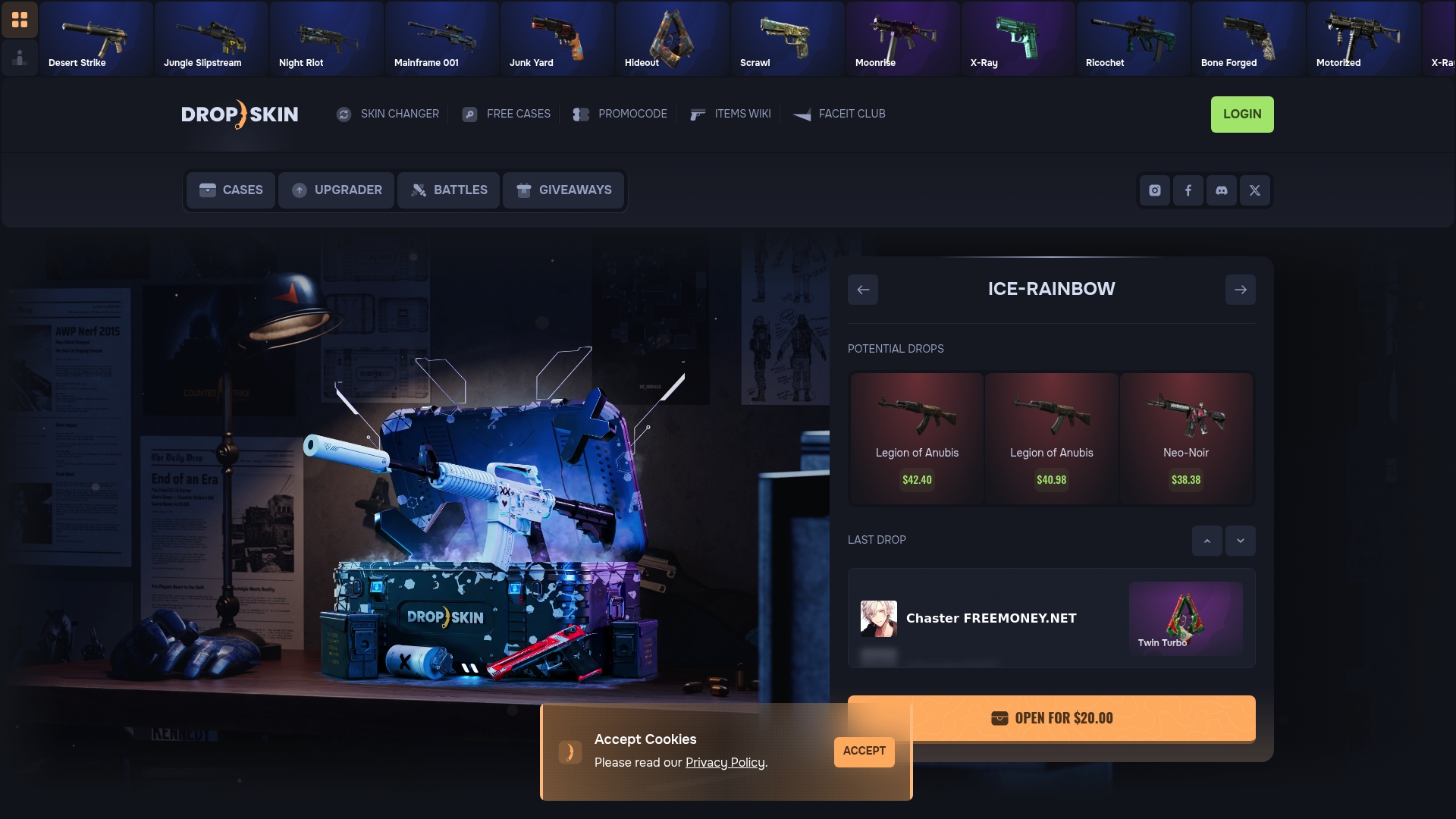
At Dropskin.com, we built our platform around transparency and player control. If you want to upgrade your inventory without the chaos of unregulated sites, our skin upgrader gives you a clear, fair mechanic to trade up your skins with visible odds. Want the thrill of case openings without the shady withdrawal games? You can open CS2 cases in a trusted environment where what you see is what you get. We are not here to replace the excitement. We are here to make sure you keep your account, your skins, and your sanity while you chase the next great drop.
Frequently asked questions
Is skin betting considered illegal gambling?
In Great Britain and many regions, skin betting requires a license to operate legally and is treated as gambling under existing law. Operating or participating without that license puts both sites and players at legal risk.
What are the most common skin betting scams?
The most common scams include fake withdrawal bots that steal your skins, manipulated odds and phishing disguised as legitimate sites, and platforms that simply go offline with your balance still locked inside.
Can you get banned from Steam for skin betting?
Yes. Valve prohibits skin gambling across its platform, and accounts linked to betting activity can receive permanent bans, meaning you lose access to every game and skin tied to that account.
Are there age restrictions for skin betting?
Most sites claim to restrict under-18 users, but age verification is weak or absent on the majority of platforms, making underage access extremely common and a major concern for regulators.
How can I reduce my risk when skin betting?
Stick to platforms with verified gambling licenses, always research a site before depositing, and sites lack player protections unless they are properly regulated, so never risk skins you cannot afford to lose permanently.