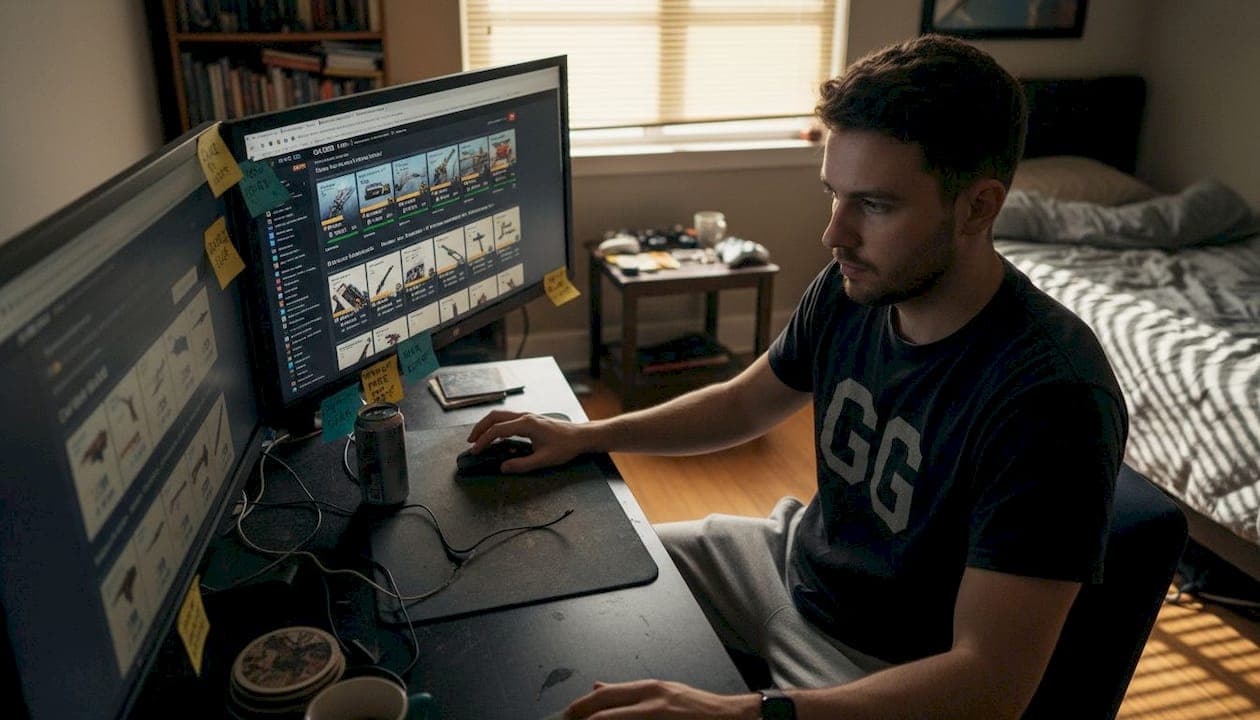
Choosing valuable skins in CS:GO and CS2 can feel overwhelming when you're staring at thousands of options and fluctuating prices. Many gamers struggle to identify which skins will hold or increase value, leading to poor investment decisions and missed trading opportunities. This guide walks you through the essential factors that determine skin value, from rarity and condition to market timing and authenticity verification. You'll learn practical strategies for researching the market, executing smart trades, and avoiding common pitfalls that drain your inventory's worth. Whether you're building a collection or trading for profit, these insights will help you make confident, informed decisions that maximize your skin portfolio's value.
Table of Contents
- Key takeaways
- Understanding what makes a skin valuable
- Preparing to choose: researching the market and your goals
- Executing your selection: step-by-step choosing and trading valuable skins
- Verifying value and avoiding common pitfalls in skin trading
- Enhance your skin collection with DROP.SKIN
- How to choose valuable skins FAQ
Key Takeaways
| Point | Details |
|---|---|
| Skin value drivers | Rarity, condition, and market trends shape prices and demand. |
| Research before buying | Market research across platforms reveals price discrepancies, trends, and seasonal patterns to inform smarter choices. |
| Timing and strategy | Executing informed trades requires a clear strategy and optimal timing. |
| Verify authenticity and quality | Check authenticity and cosmetic condition to protect value. |
Understanding what makes a skin valuable
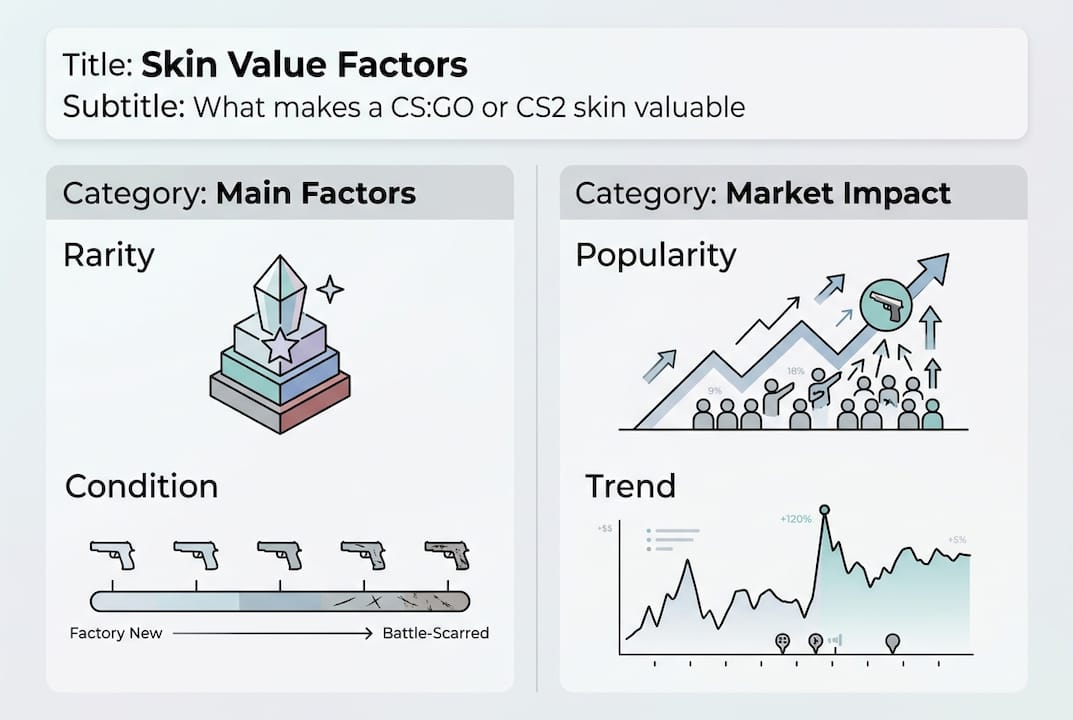
Skin value in CS:GO and CS2 isn't random. Skin features, rarity, and market trends directly influence what collectors and traders will pay. Rarity tiers form the foundation of pricing, with covert and classified skins commanding premium prices compared to consumer grade items. Factory new and minimal wear conditions dramatically elevate desirability because they showcase pristine artwork without scratches or wear patterns that diminish visual appeal.
Float values create subtle but significant price variations within the same skin. A lower float number means less wear, and collectors hunting for perfect specimens will pay substantially more for items at the extreme low end of the float range. Pattern variations add another layer of complexity, especially for skins like Case Hardened or Fade variants where specific pattern indexes become legendary within the community. Some patterns fetch prices ten times higher than average versions of the same skin.
Esports events inject volatility and opportunity into skin markets. When professional teams win major tournaments, skins featuring their stickers or team colors often surge in demand as fans celebrate victories. Player signatures from rising stars can transform ordinary skins into sought after collectibles. The community's shifting preferences drive these trends, with streamers and content creators influencing what becomes hot or forgotten.
Understanding these value drivers transforms you from a casual buyer into a strategic collector who spots opportunities others miss.
Market psychology plays a crucial role too. Skins associated with popular weapons like the AK-47 or AWP maintain stronger demand than niche weapons with limited gameplay use. Seasonal events and operation releases create temporary supply increases that savvy traders exploit by buying low and selling after scarcity returns. Gaming culture trends shift rapidly, so staying connected to community discussions helps you anticipate which skins will gain traction before prices spike.
Preparing to choose: researching the market and your goals
Successful skin selection starts long before you click buy. Setting clear goals separates profitable traders from those who accumulate random items with stagnant value. Ask yourself whether you're investing for long term appreciation, building an aesthetic collection, or flipping skins for quick profits. Each objective requires different research approaches and risk tolerance levels.
Skin marketplaces provide essential price and availability data that inform smart decisions. Compare listings across multiple platforms to identify price discrepancies and spot deals. Researching marketplaces and understanding trading trends reduces mistakes that cost you money. Track historical price charts to recognize seasonal patterns and identify skins recovering from temporary dips. Steam Community Market, third party trading sites, and specialized skin databases each offer unique insights into current valuations.
Following CS:GO and CS2 trading trends keeps you ahead of market shifts. Join Discord servers and Reddit communities where experienced traders share insights about emerging opportunities. Monitor social media for announcements about game updates, as new case releases or weapon balance changes can instantly impact skin demand. Professional tournament schedules matter too, since major events create predictable spikes in viewership and trading activity.
Defining your budget and risk tolerance prevents emotional decisions that drain your wallet. Allocate only funds you can afford to lose, especially when targeting volatile high value items. Diversification across price ranges and skin types reduces exposure to any single market crash. New traders should start with mid tier skins where mistakes cost less while you develop market intuition.
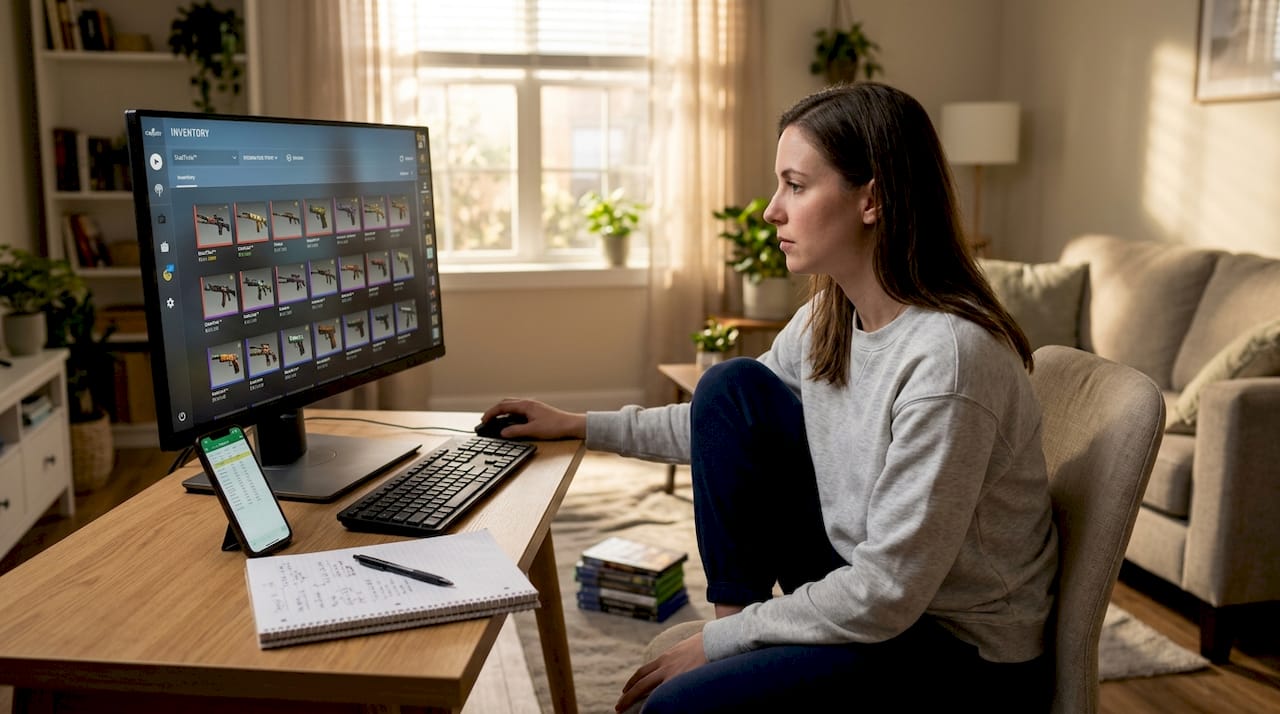
Pro Tip: Create a tracking spreadsheet documenting purchase prices, float values, and market trends for your target skins so you can identify genuine deals instantly when they appear.
Preparing your inventory for trades means organizing existing skins and understanding their current market value. Clean out items you'll never use and convert them into liquid assets for better opportunities. Research which payment methods and trading platforms offer the best rates and security features. Having everything ready lets you move quickly when time sensitive deals emerge.
Executing your selection: step-by-step choosing and trading valuable skins
When you're ready to acquire skins, systematic execution prevents costly mistakes. Follow these steps to maximize your chances of selecting valuable items:
-
Check float and pattern indexes before committing to any purchase. Use inspection tools to view the exact wear and pattern you're getting, not just the listing photo. Small float differences can mean hundreds of dollars in value variation.
-
Verify skin authenticity via platform tools and third party services. Scammers create fake listings and phishing sites designed to steal your items or payment information. Only trade through established platforms with buyer protection.
-
Negotiate with sellers for fair deals by researching comparable sales. Many sellers price items above market value hoping for uninformed buyers. Polite offers backed by recent sale data often secure better prices.
-
Use quick trading platforms with low fees to preserve more of your investment. Transaction costs add up quickly when you're actively trading, so platforms charging 2% instead of 15% make a substantial difference over time.
-
Monitor esports events for market timing opportunities. Timed trades and verifying quality metrics increase successful investments. Buying during market dips after events and selling during hype cycles amplifies returns.
| Trading platform feature | Impact on value retention |
|---|---|
| Low transaction fees | Preserves 5-13% more capital per trade cycle |
| Fast trade execution | Captures time sensitive deals before price changes |
| Secure authentication | Prevents scams and fraudulent transactions |
| Market data integration | Enables informed pricing decisions |
Timing matters more than most traders realize. Weekend trading volume drops often create temporary price dips as fewer buyers compete for listings. Major game updates that shift weapon meta can instantly change skin desirability. Setting price alerts for target skins lets you act immediately when opportunities arise without constantly monitoring markets.
Pro Tip: Screenshot every trade negotiation and transaction confirmation to build a reference library of successful deals and protect yourself if disputes arise later.
Building relationships with reputable traders creates access to off market deals and insider information. Active community participation in trading forums establishes your credibility and opens doors to private sales. Trusted traders often offer better prices to known buyers than they would list publicly.
Verifying value and avoiding common pitfalls in skin trading
Post purchase verification protects your investment and confirms you received what you paid for. Immediately inspect the skin's float value, pattern index, and visual condition after completing the trade. Compare what you received against the listing details and screenshots you captured during negotiation. Discrepancies should be reported to platform support immediately while transaction records are fresh.
Overpaying ranks among the most common mistakes that erode trading profits. New traders often buy during hype peaks when prices are artificially inflated by temporary demand spikes. Avoiding common mistakes safeguards your skin investment. Set maximum price limits based on historical data before emotions override rational decision making. If a deal seems too good to be true, it probably involves a scam or misrepresented item condition.
Scammers employ increasingly sophisticated tactics to steal valuable skins. Fake middleman services, phishing links disguised as legitimate trading platforms, and impersonation accounts target traders daily. Never click links in unsolicited messages, always verify URLs match official platform addresses, and use two factor authentication on all trading accounts. Legitimate traders won't pressure you to complete transactions quickly or move conversations off secure platforms.
| Common trading mistake | Prevention strategy | Potential savings |
|---|---|---|
| Buying at peak hype | Wait 48-72 hours after events | 15-30% lower entry price |
| Ignoring transaction fees | Compare platform fee structures | 2-13% preserved per trade |
| Skipping float verification | Always inspect before buying | Avoid 20-50% value loss |
| Trading without research | Study 7-day price history minimum | Prevent 25-40% overpayment |
Transaction fees and trading speed significantly impact your bottom line. Platforms charging 10-15% fees require your skins to appreciate substantially just to break even. Quick settlement times matter when market conditions shift rapidly, as delays can turn profitable trades into losses. Evaluate platforms based on total cost of ownership, not just headline features.
Maintaining skin diversity across weapon types, rarity tiers, and price points provides risk management. Market crashes rarely affect all categories equally, so diversified portfolios weather volatility better than concentrated holdings. Balance high value showcase pieces with liquid mid tier skins you can quickly convert to cash when opportunities arise.
Smart traders view their inventory as a dynamic portfolio requiring regular rebalancing, not a static collection gathering virtual dust.
Using trusted trading platforms eliminates most scam risks and provides recourse if problems occur. Established marketplaces invest heavily in fraud prevention, user verification, and dispute resolution systems. The small premium you might pay in fees buys substantial protection compared to peer-to-peer trades with strangers. Research platform reputations through community reviews before trusting them with valuable items.
Enhance your skin collection with DROP.SKIN
Applying these skin selection strategies becomes easier when you have the right tools and platform supporting your trading goals. DROP.SKIN offers fast, low fee case openings and skin upgrades that help you build valuable inventory without the complexity of traditional marketplaces. Whether you're hunting for that perfect float AK-47 or upgrading budget skins into premium items, the platform's streamlined interface and competitive pricing structure maximize your trading efficiency.
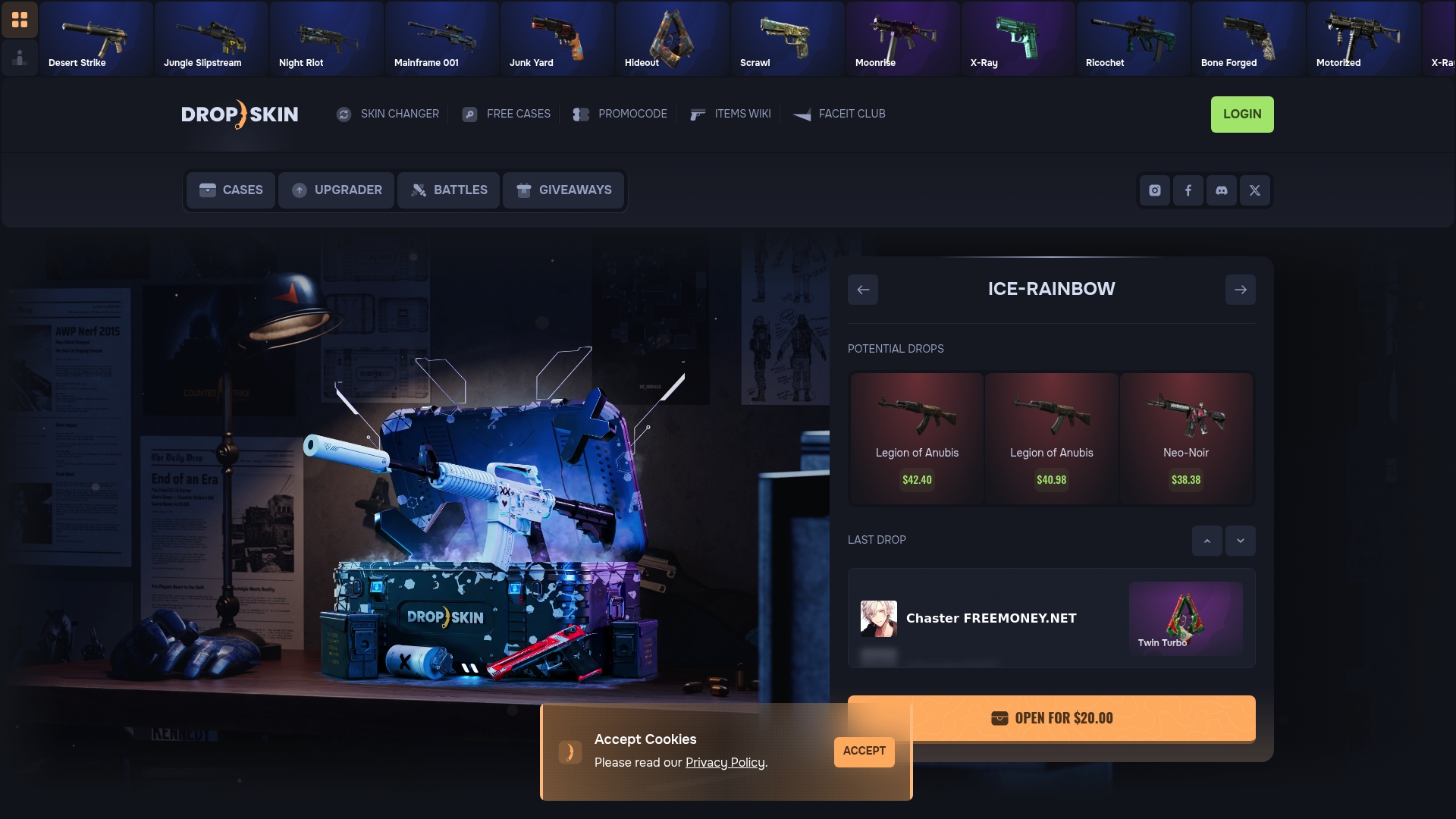
The CS2 skin upgrader lets you transform lower tier skins into more valuable pieces using the market knowledge you've developed from this guide. Combined with extensive case collections and quick trade execution, you can implement the timing and verification strategies that separate successful traders from those who struggle. DROP.SKIN's cases and upgrades integrate seamlessly with the research and execution framework outlined above, giving you practical tools to turn knowledge into results.
How to choose valuable skins FAQ
Why is skin condition important?
Skin condition directly determines visual appeal and market value because collectors prefer pristine items. Factory new skins command premium prices since they display artwork without scratches or wear that diminish aesthetic quality. Condition differences can create 50-200% price variations for the same skin design.
How do esports events affect skin prices?
Major tournaments create demand spikes for skins featuring winning team stickers and player signatures. Viewership surges during events bring new traders into markets, temporarily inflating prices. Smart traders buy before events and sell during peak hype for maximum returns.
What is float value and why does it matter?
Float value measures exact wear level on a numeric scale, with lower numbers indicating less wear. Two factory new skins can have dramatically different float values, affecting both appearance and price. Collectors hunting perfect specimens pay substantial premiums for extreme low float items.
How to avoid scams when trading skins?
Only trade through established platforms with buyer protection and secure authentication systems. Verify all URLs match official platform addresses and never click links in unsolicited messages. Use two factor authentication and screenshot every transaction for your records.
Are upgraded skins always more valuable?
Upgraded skins gain value only when the upgrade improves desirable characteristics like rarity, condition, or popular patterns. Random upgrades to unpopular skins or weapons rarely increase market value. Research target upgrade outcomes before investing to ensure demand exists for the result.