
Most players who lose money on case openings don't lose because of bad luck alone. They lose because they skipped the prep work: using unverified sites, ignoring odds, or chasing losses after a bad streak. CS:GO and CS2 case opening (the process of spending a key to unlock a virtual weapon skin from a digital container) can be genuinely fun and occasionally rewarding, but only if you treat it with the same discipline you'd bring to any real purchase. This guide walks you through every layer of protection, from understanding the math to choosing safe platforms, setting limits, and verifying your results.
Table of Contents
- Understand the risks of case opening
- Choose platforms and tools with proven safety
- Set your strategy: Budgeting, timing, and session limits
- Mitigate mistakes and verify your results
- Our perspective: Smart case opening is more about discipline than luck
- Open cases safely with DROP.SKIN: Your next step
- Frequently asked questions
Key Takeaways
| Point | Details |
|---|---|
| Safety starts with platform | Always use platforms with proven security, fair odds, and community trust. |
| Discipline beats luck | Strict budgeting and session limits protect you far more than chasing lucky breaks. |
| Verify and review | Check each win for fairness and record big results to safeguard your value. |
| Mistakes can be costly | Recognize and avoid common pitfalls like scams and emotional overspending. |
Understand the risks of case opening
Before you spend a single key, you need to understand what you're actually dealing with. Case opening is, by definition, a form of gambling. Valve's own drop rates for CS2 cases show that the rarest "Covert" tier skins appear roughly 0.64% of the time. That means you could open 150 cases and never see one. The risks and rewards are stacked heavily in favor of the house, not the player.
The risks go beyond just bad odds. There are several categories of danger you should recognize:
- Account scams: Phishing links disguised as case opening sites steal your Steam login credentials.
- Rigged odds: Some third-party platforms manipulate drop rates without disclosing them.
- Fake sites: Sites that look legitimate but vanish after you deposit skins or funds.
- Overpaying for cases: Buying cases on the Steam Community Market at inflated prices makes the math even worse.
Even on completely legitimate platforms, case opening strategy and risks are something every player should study before depositing. As noted by gaming analysts, case opening is always negative EV (expected value negative) for most users, meaning the average return is always less than what you put in.
Here's a quick comparison of your two main options:
| Feature | Official Steam/Valve | Third-party sites |
|---|---|---|
| Odds transparency | Published by Valve | Varies widely |
| Account security | Steam Guard protected | Depends on site |
| Provably fair system | No (but Valve-controlled) | Sometimes |
| Scam risk | Very low | Moderate to high |
| Bonuses/promotions | None | Common but misleading |
For a deeper look at odds and safety across platforms, independent reviews are your best resource.
Safety warning: Never use unlicensed platforms that do not offer a provably fair system or public audit trail. If a site promises "better odds" or "guaranteed wins," treat it as a red flag, not a benefit.
Choose platforms and tools with proven safety
Once you're aware of the risks, the next essential step is selecting the safest platform and tools. Not all case opening experiences are equal, and the platform you choose can be the difference between a fun session and a costly mistake.
According to platform safety research, Steam direct is the safest option because Valve controls the random number generator (RNG) and your account is protected by Steam Guard. Third-party sites increase your exposure to scams, but some reputable ones do offer provably fair systems, meaning you can independently verify each result wasn't manipulated.
When evaluating any platform, look for these key features:
- Provably fair system: Can you verify the outcome of each case independently?
- Two-factor authentication (2FA): Does the site require 2FA on login and withdrawals?
- Spending limits: Can you set daily or session deposit caps?
- Public reviews: Is there an active community on Reddit, Trustpilot, or Steam forums discussing the site?
- Clear terms: Are withdrawal rules, fees, and odds published openly?
Here's a feature comparison across platform types:
| Safety feature | Steam official | Reputable third-party | Unknown third-party |
|---|---|---|---|
| Provably fair | No (Valve-controlled) | Yes (best ones) | Rarely |
| 2FA support | Yes | Sometimes | Rarely |
| Spending limits | No | Sometimes | No |
| Community reviews | Extensive | Moderate | None |
| Verified odds | Yes | Sometimes | No |
If you want to practice without risking real skins, free case simulators let you experience the mechanics and learn the actual odds before committing real value. This is especially useful for newer players who want to understand what "0.64% drop rate" actually feels like over 50 or 100 simulated openings.
Exploring best CS2 case options and reading up on different case opening methods will also help you make smarter choices about which cases offer the best value for your budget.
Pro Tip: Before depositing on any new platform, search "[site name] scam" or "[site name] review" on Reddit. If the community has had problems, you'll find out in minutes.
Set your strategy: Budgeting, timing, and session limits
After you've secured a safe platform, your next protection layer is an effective risk management strategy. This is where most players fail, not because they don't know the rules, but because they ignore them once the excitement kicks in.
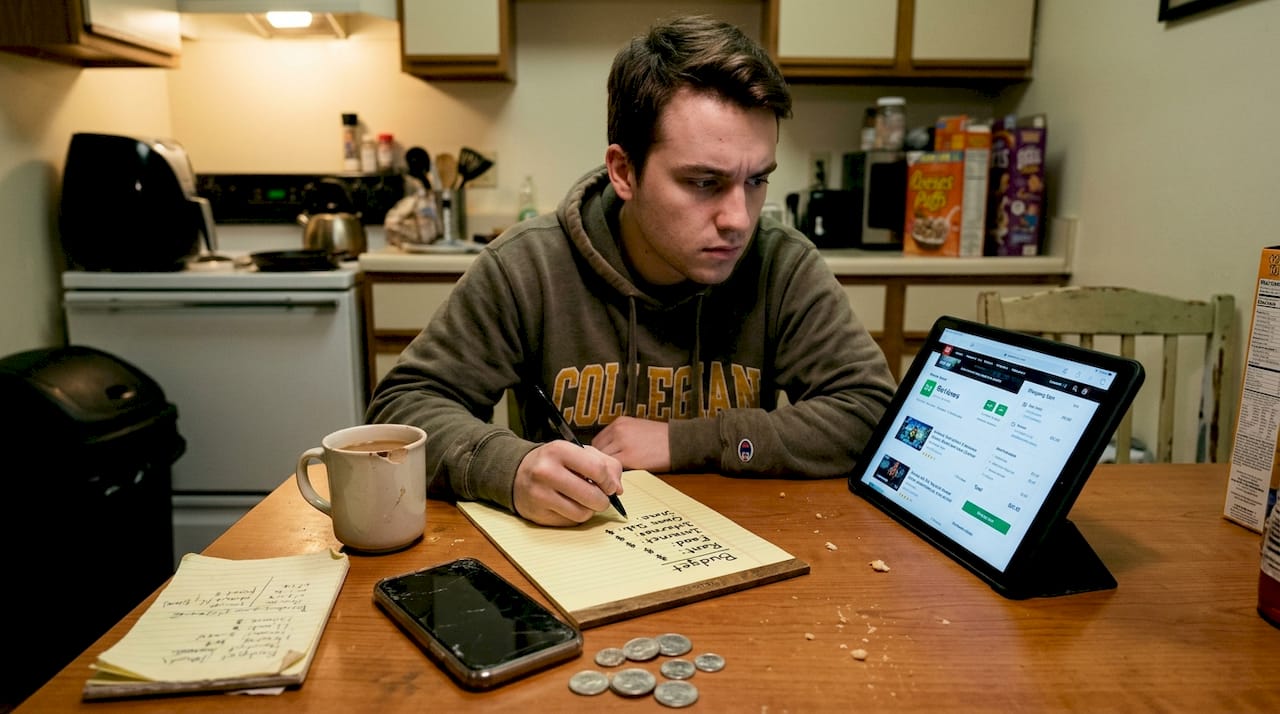
The core principle is simple: never spend money you can't afford to lose entirely. Case opening is entertainment spending, like a movie or a game purchase. Budget for it accordingly.
Following smart case opening guidelines, here are five actionable steps to build your strategy:
- Set a total session budget before you open the platform. Write it down or set a phone reminder. This is your hard cap.
- Open in small batches of 2 to 5 cases at a time. Pause between batches and evaluate what you've received.
- Pre-define your exit rules: Decide in advance at what point you'll stop, whether you hit your budget, win something valuable, or reach a time limit.
- Set sell/trade rules before you open: If you get a skin worth more than a set threshold (say, $20), decide now whether you'll sell it immediately or hold it.
- Never chase losses: If you've hit your cap and got nothing valuable, stop. The next case is not more likely to pay out just because the last ten didn't.
Understanding the case opening advantages and the full case opening process helps you set realistic expectations before you start.
Warning: Chasing losses is the single most common reason players overspend. The odds do not reset or improve after a losing streak. Each case is an independent event.
Pro Tip: Set a 10-minute cooling-off reminder after every batch. Step away, check your balance, and decide with a clear head whether to continue. Emotion-driven decisions cost far more than bad luck.
For players interested in accumulating skins over time, the case farming guide offers a longer-term approach that reduces impulsive spending.
Mitigate mistakes and verify your results
Even with solid prep and strategy, mistakes can still happen. Mitigating and checking your work is key to staying safe and getting the most from every session.
The most common mistakes players make include:
- Skipping platform reviews and depositing on unverified sites
- Misclicking Steam trade offers, especially under time pressure
- Misunderstanding odds, expecting rare skins more frequently than math supports
- Using non-verified sites that offer bonuses but hide their actual drop rates
- Ignoring withdrawal fees that eat into any value you actually win
After each session, run through this quick safety checklist:
- Did the platform's results match its published odds over your session?
- Can you verify the outcome using the site's provably fair tool?
- Did Steam confirm all trades and withdrawals correctly?
- Is your account balance what you expected after fees?
As platform fairness research confirms, pre-defining sell and trade rules and using platforms with proven fairness are the two most effective ways to protect your value after opening.
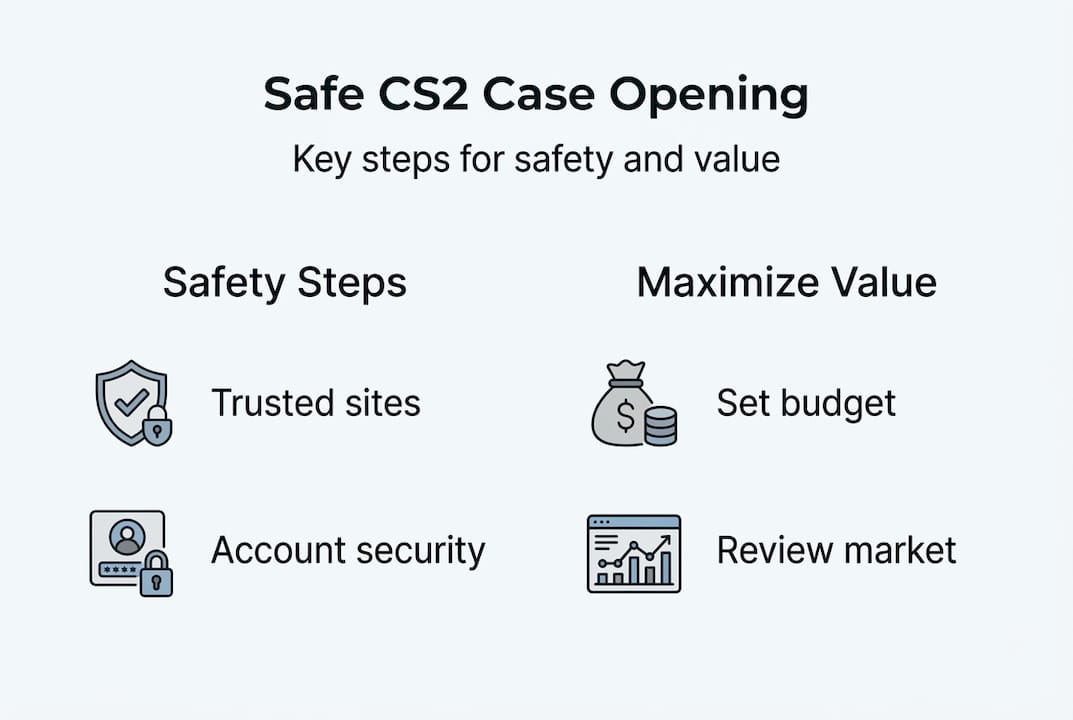
When you do win something good, don't just hold it indefinitely. Evaluate it against the Steam Community Market price, check third-party trading platforms, and decide quickly. Skins can fluctuate in value, and holding too long sometimes means selling at a lower price later.
For broader context on earning skins safely and understanding case opening risks, our blog covers both topics in depth.
Pro Tip: Screenshot every high-value skin you win immediately, including the platform name and timestamp. If a dispute ever arises, that proof is invaluable.
Our perspective: Smart case opening is more about discipline than luck
Here's something most guides won't say directly: the players who consistently enjoy case opening without regret aren't the ones who hit big wins. They're the ones who decided upfront what they were willing to spend and stuck to it no matter what.
Big wins are real, but they're unpredictable by design. Chasing them is exactly what the house counts on. The players we've seen handle responsible case opening well are the ones who treat every session like a fixed entertainment budget, not an investment.
Pro players and experienced skin collectors don't rely on lucky streaks. They rely on systems: set limits, defined exit points, and zero emotional decisions. That discipline is what separates a fun hobby from a costly habit.
"Treat every case like a movie ticket: pay for the entertainment, not guaranteed profit."
The real win in case opening is walking away having had fun, maybe with a decent skin, and without regret. That outcome is completely within your control, regardless of the odds.
Open cases safely with DROP.SKIN: Your next step
You now have a complete framework for opening cases safely: understand the odds, choose verified platforms, set strict budgets, open in small batches, and always verify your results. The next step is putting it into practice.
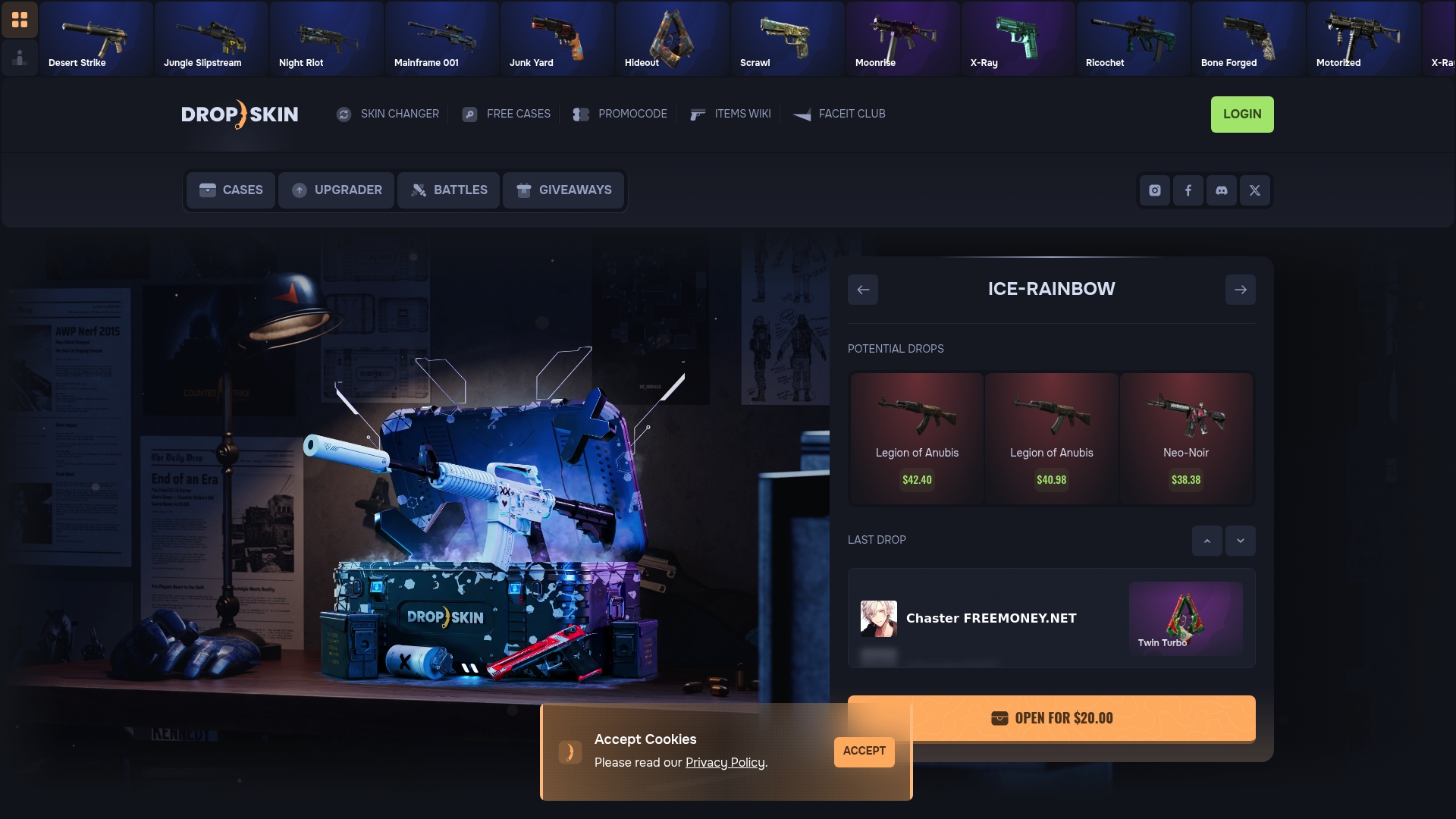
At DROP.SKIN, you can open CS2 cases safely with verified fairness, strong account security, and daily free case options that let you test the experience without immediate risk. If you want to take things further, the upgrade your skins feature lets you trade up from lower-value skins toward better ones, adding a strategic layer to your collection building. Start with a free case, apply the strategy from this guide, and see how disciplined play changes the experience.
Frequently asked questions
What is the safest way to open CS:GO and CS2 cases?
The safest way is through Steam's official marketplace because Steam is safest with Valve's RNG and full account protection via Steam Guard.
How can I avoid scams when opening cases?
Use platforms with provably fair systems, read user reviews, enable 2FA, and never deposit on sites with unclear rules. Third-party sites increase risk, so always verify before depositing.
What are the best strategies to minimize skin loss?
Set strict budgets and open in small batches, predetermine sell and trade actions, and stop the moment you hit your loss cap.
Are case opening sites with bonuses safer?
No. Sites that promise better odds or bonuses often mask higher risk or rigged drop rates. Bonuses are a marketing tool, not a safety signal.