
Earning CS:GO and CS2 skins online can feel overwhelming with so many platforms promising rewards. From free gameplay drops to high-risk gambling sites, each method carries different costs, time commitments, and risks. This guide breaks down the best 2026 options using clear evaluation criteria, helping you choose safe and effective ways to build your skin inventory without falling for scams or wasting time.
Table of Contents
- How To Choose The Best Method To Earn Skins Online
- Gameplay Drops And In-Game Rewards
- Task-Based Sites And Giveaway Platforms
- Trade-Up Contracts And Skin Upgrading
- Gambling And Skin Betting Platforms
- Trading Marketplaces And Fees
- Summary Comparison Of Skin Earning Methods
- Situational Recommendations: Choose Your Best Way To Earn Skins
- Explore Premium Skin Upgrades And Case Openings At DROP.SKIN
- Frequently Asked Questions
Key takeaways
| Point | Details |
|---|---|
| Risk varies widely | Gameplay drops offer zero risk, while gambling platforms carry high loss potential. |
| Investment differs | Methods range from completely free task sites to wagering valuable existing skins. |
| Time commitment matters | Passive gameplay earns slowly, while active tasks and trades accelerate results. |
| Platform legitimacy protects you | Verified sites prevent scams and ensure secure skin transactions. |
| Strategic combinations work best | Mixing low-risk drops with calculated trade-ups maximizes inventory growth. |
How to choose the best method to earn skins online
Before diving into specific platforms, you need a framework for evaluating skin-earning methods. Your risk tolerance determines whether you stick with guaranteed free drops or explore chance-based gambling. Some players can't afford to lose any skins, while others comfortably wager items for bigger rewards.
Initial investment separates free methods from those requiring existing skins or money. Gameplay drops cost nothing beyond your time, but gambling demands wagering valuable items. Time commitment varies dramatically too. Passive gameplay earns skins slowly over weeks, while completing surveys or tasks on specialized sites demands active participation for faster results.
Potential skin values differ drastically by method. Weekly gameplay drops yield around $0.42 in value, while successful gambling rounds can net rare items worth hundreds. Platform legitimacy matters most. Scam sites steal skins or personal data, so verify security features and user reviews before depositing anything.
Understanding these criteria helps you select methods aligned with your goals and limits. Start with your risk tolerance, then consider how much time and money you can invest. Match methods to your profile for sustainable skin collection.
Pro Tip: Test multiple low-risk methods simultaneously before committing to any single high-risk platform. This diversifies your earning streams and protects against total loss.
Gameplay drops and in-game rewards
The Weekly Care Package system provides CS2's most reliable free skin source. After earning 5,000 XP in a week, your first rank-up unlocks a package containing skins or weapon cases. This zero-cost method rewards consistent play without requiring purchases or trades.
XP accumulation varies by game mode. Competitive matches grant more XP per hour than casual modes, but any gameplay counts toward your weekly total. The Weekly Care Package delivers an average $0.42 worth of skins or cases weekly, though values fluctuate based on random drops.
Drops typically include basic skin tiers with limited market value. You might receive common weapon cases requiring keys to open, or low-grade skins directly. Rare drops exist but occur infrequently. This method suits casual players building inventory steadily without financial risk.
The main limitation is low average value per drop. Building a substantial collection purely through gameplay takes months or years. However, combining drops with other methods accelerates progress. Collected skins become trade-up contract fuel, converting multiple low-value items into potentially valuable upgrades.
Consistent weekly play maximizes this passive income stream. Even if individual drops disappoint, accumulated items provide raw materials for strategic CS2 skin profit strategies like trade-ups or marketplace sales.
Task-based sites and giveaway platforms
Platforms like SkinsMonkey.com and Skinflow.gg reward social tasks and promotional activities with free skins. You earn credits or giveaway entries by sharing content, referring friends, watching sponsored streams, or completing surveys. These sites provide completely free skin acquisition requiring only time and participation.
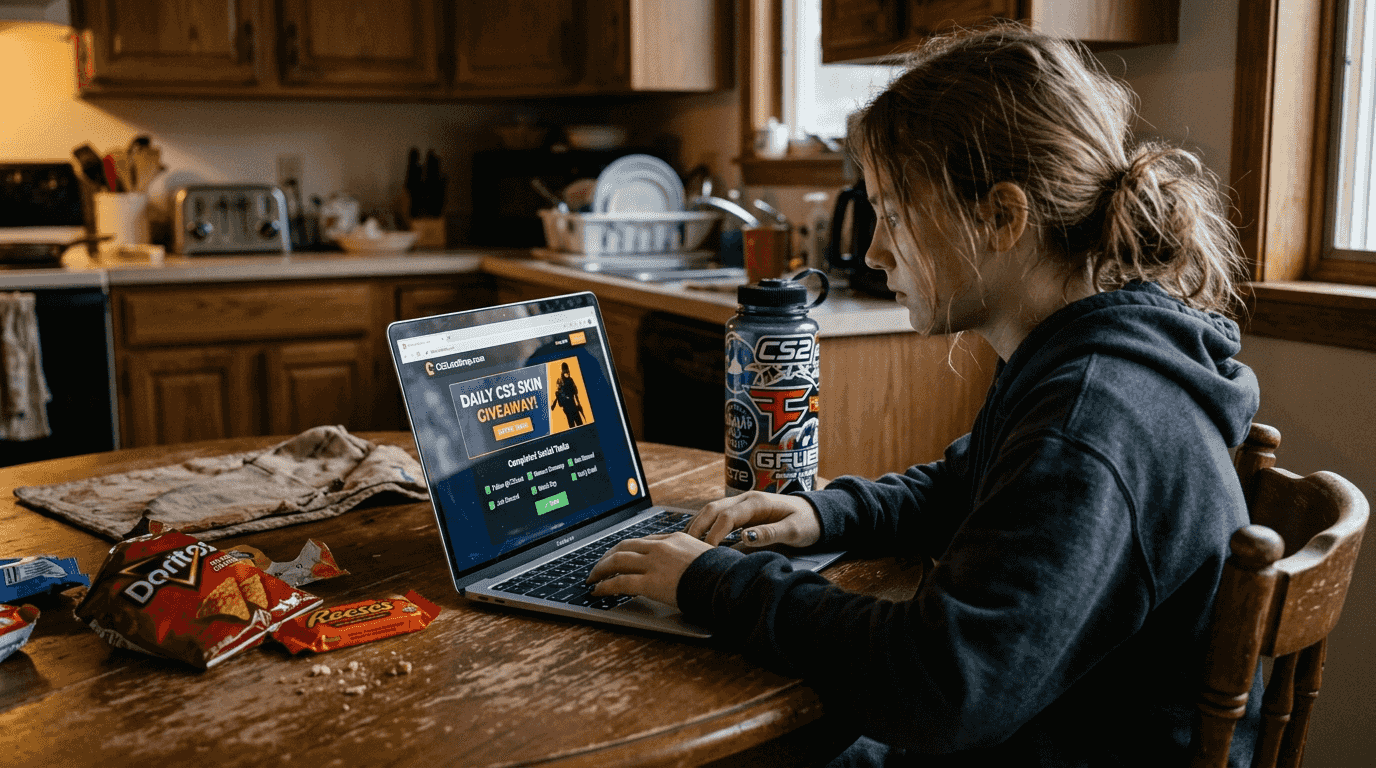
Giveaway cycles run daily, weekly, or monthly with prize pools ranging from common skins to rare collector items. Entry requirements vary but typically involve simple social media actions or account registrations. No financial investment is needed, making this a zero-risk method for patient players.
Consistency improves your winning odds over time. Regular participation accumulates entries across multiple giveaways, increasing chances of eventually landing valuable prizes. However, rare skins remain largely chance-based. Popular giveaways attract thousands of entries, so competition stays fierce.
Platform reputation matters critically here. Legitimate sites clearly display winners and maintain transparent rules, while scams collect personal data without awarding prizes. Check user reviews and verify payout history before investing significant time.
Pro Tip: Focus efforts on platforms with verified winner announcements and established community presence. Newer sites promising unrealistic rewards often disappear without distributing prizes.
This method excels for building inventory without financial risk. Time investment varies based on task complexity, but most activities take minutes. Combining multiple platforms diversifies your entry pool and accelerates potential winnings. For more comprehensive skin earning approaches, layer this method with gameplay drops.
Trade-up contracts and skin upgrading
Trade-up contracts offer guaranteed skin upgrades through strategic item combination. The mechanic requires 10 skins from the same quality tier, which you exchange for one randomly selected skin from the next tier up. Unlike gambling, trade-ups guarantee an upgrade, though specific outcomes remain variable.
Trade-up contracts convert 10 lower-tier skins into a single higher-tier skin, making them a strategic inventory improvement tool. Success rate is 100% for receiving a higher-tier item, but rarity and exterior condition vary based on input combinations. Calculated contracts targeting specific collections can yield significant value increases.
The main requirement is collecting enough lower-tier skins first. Gameplay drops, task site rewards, or cheap marketplace purchases provide contract fuel. Once assembled, contracts reliably transform bulk common items into fewer, more valuable pieces.
Strategic planning maximizes value. Analyzing potential outcomes before executing contracts helps avoid disappointing results. Some collections offer better value ranges than others. Research target skins and calculate probable returns against input costs.
Pro Tip: Use online trade-up calculators to simulate outcomes before committing skins. This prevents wasting valuable items on low-potential contracts.
| Input Tier | Output Tier | Success Factor | Strategic Consideration |
|---|---|---|---|
| Consumer Grade | Industrial Grade | 100% upgrade | Low input cost, modest gains |
| Industrial Grade | Mil-Spec | 100% upgrade | Moderate value increase potential |
| Mil-Spec | Restricted | 100% upgrade | Higher input costs, better rewards |
| Restricted | Classified | 100% upgrade | Significant value jumps possible |
| Classified | Covert | 100% upgrade | Expensive inputs, rare outcome potential |
For detailed implementation, explore our skin upgrader explanation and step-by-step upgrade guide. These resources walk through contract planning and execution strategies.
Gambling and skin betting platforms
CS:GO and CS2 gambling platforms present the highest-risk, highest-reward skin earning method. Sites like Dropskin.com facilitate skin betting through case openings, battle matches, and upgrade systems where you wager existing skins for chances at more valuable items. Gambling platforms blend trading and betting dynamics, offering entertainment alongside profit potential.
Skin betting mechanics vary by platform feature. Custom battles let you stake skins against opponents with winners claiming the pot. Case openings provide slot-machine-style chances at rare items. Upgrader systems let you risk one skin for probability-based shots at higher-value replacements.
Potential gains range from modest upgrades to jackpot-level rare skins worth hundreds of dollars. A successful streak can multiply your inventory value quickly. However, complete loss of wagered skins occurs frequently. House edges and probability ensure most players lose over time.
Popular platforms like Dropskin.com offer custom battle creation, extensive case collections, and promotional giveaways. These features engage users but don't eliminate inherent gambling risks. Skin value volatility amplifies quickly. One bad session can erase weeks of patient accumulation.
Expert Warning: Only gamble with skins you can afford to lose completely. Treat gambling as entertainment spending, not investment strategy. Set strict loss limits before starting and never chase losses by wagering inventory essentials.
Bankroll management becomes critical for anyone exploring gambling platforms. Allocate a specific percentage of your inventory as gambling budget, keeping the majority in secure storage. This protects against total loss and prevents emotional decision-making after bad runs.
Understand that gambling platforms profit from user losses. Entertainment value may justify occasional participation, but expecting consistent profits sets you up for disappointment. For players comfortable with high risk seeking thrilling gameplay, these platforms deliver excitement. Risk-averse users should avoid them entirely.
Explore advantages of skin gambling to understand both benefits and dangers before depositing valuable items.
Trading marketplaces and fees
Choosing the right marketplace dramatically impacts your skin trading profits. Steam Market charges the highest fees but offers maximum user base and liquidity. Third-party platforms like CSGOEmpire, DMarket, and Skinport provide lower commissions and faster withdrawals, though with smaller buyer pools.
Steam Market applies a 5% Steam transaction fee plus a 10% game-specific fee on CS2 items, totaling 15% per sale. Funds lock into your Steam Wallet, limiting withdrawal flexibility. Transaction processing takes days, and market restrictions prevent certain high-value trades.
Third-party marketplaces typically charge 2% to 7% commissions with multiple payout options. Direct bank transfers, cryptocurrency, and instant skin swaps provide flexibility Steam lacks. Security features like Steam OpenID verification protect user assets during trades.
Market liquidity affects how quickly skins sell and at what prices. Steam's massive user base ensures fast sales for popular items but fierce competition on pricing. Niche third-party platforms may offer better prices but slower transaction times for uncommon skins.
User experience varies significantly across platforms. Interface clarity, search functionality, and customer support quality impact trading efficiency. Some sites excel at bulk trading, while others optimize for individual high-value transactions.
Pro Tip: Match platform choice to your trading volume and preferred payout methods. High-volume traders benefit from third-party sites' lower fees, while occasional sellers may prefer Steam's simplicity despite higher costs.
| Platform | Fee Structure | Withdrawal Options | Security Features | Transaction Speed |
|---|---|---|---|---|
| Steam Market | 15% total | Steam Wallet only | Steam Guard, 2FA | 3-7 days |
| Skinport | 5% commission | Bank, crypto, PayPal | OpenID, escrow | 1-3 days |
| DMarket | 5-7% variable | Bank, crypto | Smart contracts | Instant to 2 days |
| CSGOEmpire | 0% (revenue from gambling) | Skins, crypto | 2FA, withdrawal delays | Instant |
For additional marketplace options and comparisons, review skin trading alternatives covering platform features and user experiences.
Summary comparison of skin earning methods
Understanding how each method stacks up across key criteria helps you choose the best combination for your goals. This comparison synthesizes risk levels, required investments, time commitments, potential returns, and platform legitimacy across all major skin-earning approaches.
| Method | Risk Level | Cost/Investment | Time Required | Potential Value | Legitimacy |
|---|---|---|---|---|---|
| Gameplay drops | Zero risk | Free | Passive (weekly) | Very low ($0.42 avg) | Official Valve system |
| Task-based sites | Minimal risk | Free | Active (hours weekly) | Low to medium | Varies by platform |
| Giveaway platforms | Zero risk | Free | Active (minutes daily) | Low to high (chance-based) | Verify reputation |
| Trade-up contracts | Low risk | Requires existing skins | Active (strategic planning) | Medium (guaranteed upgrade) | Official game mechanic |
| Gambling platforms | Very high risk | Requires skins to wager | Active (sessions vary) | Very low to very high | Verify licensing |
| Third-party marketplaces | Low risk | Buyer fees | Active (transaction dependent) | Depends on inventory | Check security features |
This table clarifies that no single method dominates all criteria. Free methods like gameplay drops and task sites offer safety but limited returns. Gambling provides explosive potential alongside severe loss risk. Trade-ups balance guaranteed upgrades with strategic planning requirements.
Your ideal approach likely combines multiple methods. Use free options to build baseline inventory, execute calculated trade-ups for guaranteed improvements, and reserve only disposable items for gambling entertainment if desired.
Situational recommendations: choose your best way to earn skins
Your player profile determines which methods deliver optimal results. Here's how to match earning strategies to common situations and goals.
For zero-cost skin acquisition, combine gameplay drops with task-based sites and giveaway platforms. This trio requires no financial investment while steadily building inventory. Patience is essential, as free methods accumulate value slowly.
Quick inventory value increases favor pairing gameplay drops with trade-up contracts. Use free drops as contract fuel, strategically upgrading batches into higher-tier items. This accelerates growth while maintaining low risk.
Casual risk-takers aiming for excitement and potential big wins might cautiously explore gambling platforms. Allocate only 10% to 20% of inventory for gambling, preserving the majority in safe storage. Treat losses as entertainment costs.
Professional traders seeking maximum profit margins should prioritize third-party marketplaces over Steam Market. Lower fees and flexible withdrawals significantly improve returns on high-volume trading.
Budget-conscious players benefit most from free task sites combined with smart marketplace timing. Accumulate skins during low-demand periods, then sell during major tournament hype when prices spike.
Each recommendation balances risk tolerance, time investment, and reward objectives differently. Assess your priorities honestly before committing to any method. Most successful skin collectors diversify across multiple approaches rather than relying on one strategy.
Explore premium skin upgrades and case openings at DROP.SKIN
Ready to put these strategies into action? DROP.SKIN provides a comprehensive platform for opening CS2 cases and upgrading skins efficiently. The site's user-friendly interface makes implementing trade-up strategies and case opening methods discussed throughout this guide straightforward.
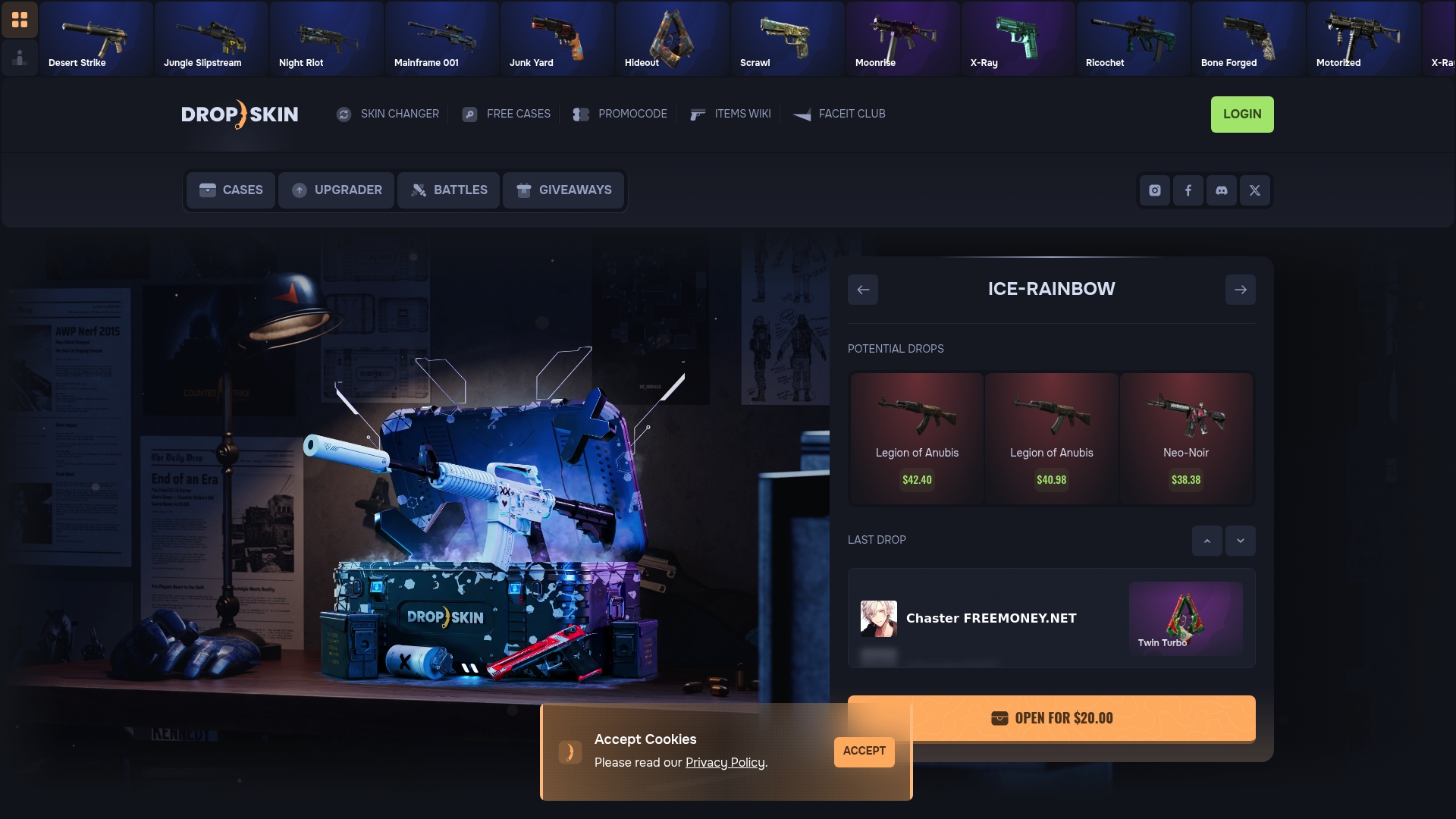
DROP.SKIN integrates secure transactions with transparent fee structures, so you know exactly what each upgrade or case opening costs. The platform supports the strategic approaches covered earlier, from calculated skin upgrades to exploring high-value case collections.
Whether you're converting accumulated low-tier skins into better items or testing your luck with premium cases, DROP.SKIN streamlines the process. Explore DROP.SKIN case openings to browse available cases, or jump directly to the CS2 skin upgrader to start transforming your inventory.
Pro Tip: Start with small upgrades to familiarize yourself with the platform mechanics before committing valuable skins. This builds confidence and understanding of success probabilities.
Frequently asked questions
What are the safest ways to earn CS:GO and CS2 skins online?
Gameplay drops and official task-based platforms offer the safest options with zero financial risk. These methods require only time investment and use verified systems. Always research platform legitimacy and check user reviews before providing account access.
How long does it take to earn valuable skins through free methods?
Building significant value through completely free methods typically takes several months of consistent participation. Weekly gameplay drops accumulate slowly, while task sites and giveaways require regular active engagement. Combining multiple free methods accelerates results but still demands patience.
Are gambling platforms legal for CS:GO skin betting?
Legality varies by jurisdiction and platform licensing. Many regions restrict or prohibit skin gambling entirely. Check local regulations before participating, and only use platforms displaying proper licensing and age verification. Unlicensed sites carry legal risks alongside gambling dangers.
How do marketplace fees affect my skin trading profits?
Steam Market's 15% total fee significantly reduces profits compared to third-party platforms charging 2% to 7%. On a $100 skin sale, Steam takes $15 while alternatives take $2 to $7. High-volume traders lose hundreds annually to excessive fees, making platform choice critically important.
Can I lose skins permanently on trading platforms?
Yes, scam sites and phishing attacks can permanently steal skins. Always verify platform authenticity, enable Steam Guard and two-factor authentication, and never share account credentials. Legitimate platforms use Steam OpenID for secure trade authorization without requiring password access.
What's the best method for beginners starting with no skins?
Start with gameplay drops to earn your first skins completely free, then join task-based sites and giveaway platforms for additional no-cost acquisitions. Once you've accumulated 10 similar-tier skins, execute your first trade-up contract for a guaranteed upgrade. This progression builds inventory safely while teaching CS2 skin mechanics.