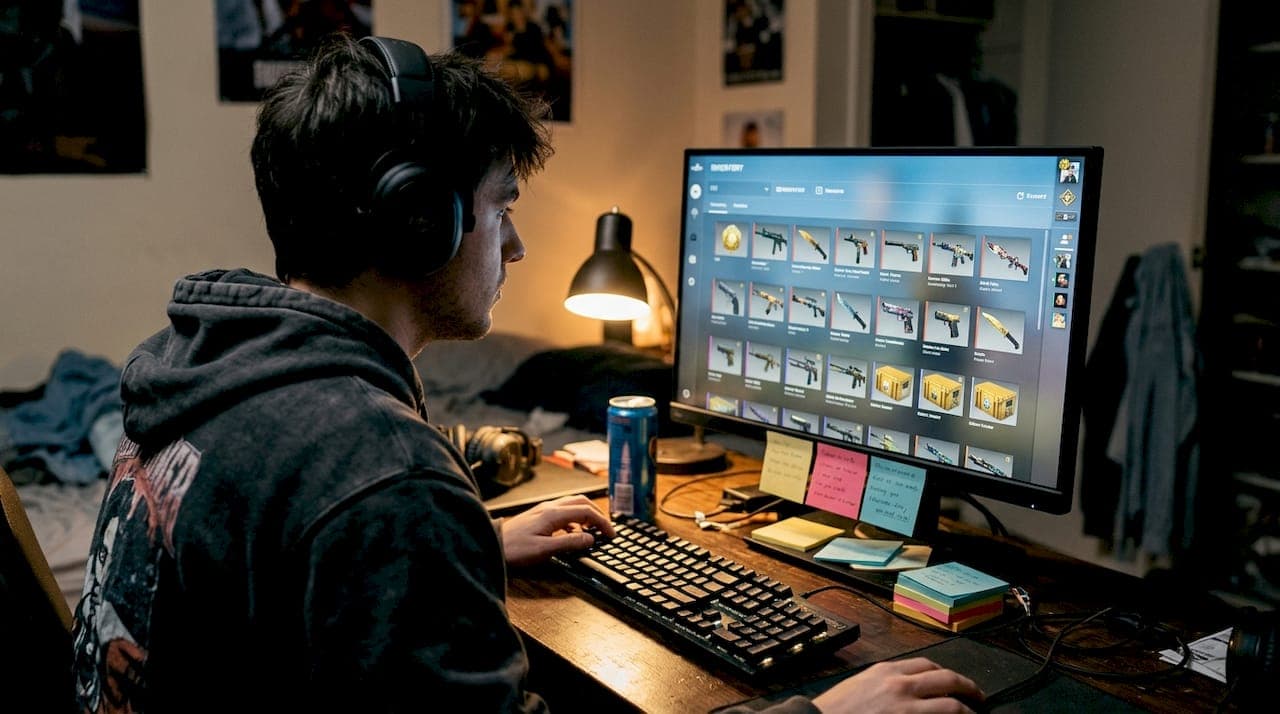
Determining the true worth of a CS:GO or CS2 skin can feel like navigating a maze. Prices swing wildly based on dozens of variables, from microscopic wear patterns to sudden market trends driven by tournament hype. For traders and collectors aiming to maximize returns or build premium inventories, understanding what drives skin value is essential. This article breaks down the core criteria that shape skin pricing, helping you make smarter trading and gambling decisions. You'll learn how condition, rarity, demand, and marketplace choices combine to determine whether a skin sells for pennies or hundreds of dollars.
Table of Contents
- Key takeaways
- Understanding skin condition and wear
- Rarity, special features, and StatTrak technology
- Market demand trends and trading volume impact
- Choosing the right marketplace and considering reputation
- Explore Dropskin for premium CS:GO and CS2 skins
- FAQ
Key Takeaways
| Point | Details |
|---|---|
| Float value effect | The float value from 0.00 to 1.00 determines wear category and has a big impact on price with small differences creating large gaps. |
| Rarity and demand | Rarity tiers from common to covert and market demand together shape value trends and how much buyers will pay. |
| Special features lift value | Features such as StatTrak kill counters, Souvenir drops, and rare patterns can significantly raise a skin price above base value. |
| Pattern based pricing | Pattern variations create micro markets where items with distinctive patterns command premium prices. |
Understanding skin condition and wear
Every CS skin carries a float value between 0.00 and 1.00 that defines its physical condition. This numeric rating determines which wear category your skin falls into: Factory New, Minimal Wear, Field-Tested, Well-Worn, or Battle-Scarred. Skin wear is one of the dominant factors affecting market value. A Factory New AWP Dragon Lore might sell for thousands, while the same design in Battle-Scarred condition could fetch a fraction of that price.
Float value operates on a spectrum, and tiny differences create massive price gaps. A skin with a 0.0001 float sits at the absolute top of Factory New, often commanding double or triple the price of a 0.06 float Factory New version of the same design. Collectors obsess over these microscopic distinctions because pristine surfaces showcase artwork without scratches or fading. Understanding skin value drivers in CS2 markets helps you spot undervalued items where float discrepancies haven't been priced in yet.
Wear categories follow specific float ranges:
- Factory New: 0.00 to 0.07
- Minimal Wear: 0.07 to 0.15
- Field-Tested: 0.15 to 0.38
- Well-Worn: 0.38 to 0.45
- Battle-Scarred: 0.45 to 1.00
Not every skin exists in all five categories. Some designs only drop in specific wear ranges, which further influences rarity and pricing. A skin that maxes out at Minimal Wear becomes inherently more valuable because perfect Factory New versions simply don't exist. Always check float ranges before making purchase decisions.
Pro Tip: Use third-party float checkers before buying high-value skins. Sellers sometimes list items at the bottom of a wear category, where visual quality drops noticeably compared to items at the top of the same category.
Rarity, special features, and StatTrak technology
Rarity tiers create the foundation for skin pricing hierarchies. CS:GO and CS2 classify skins from Consumer Grade (white) through Industrial Grade, Mil-Spec, Restricted, Classified, and finally Covert (red). Covert skins drop far less frequently from cases, making them inherently more desirable. A Covert knife or glove can sell for hundreds or thousands, while Consumer Grade items often trade for cents.
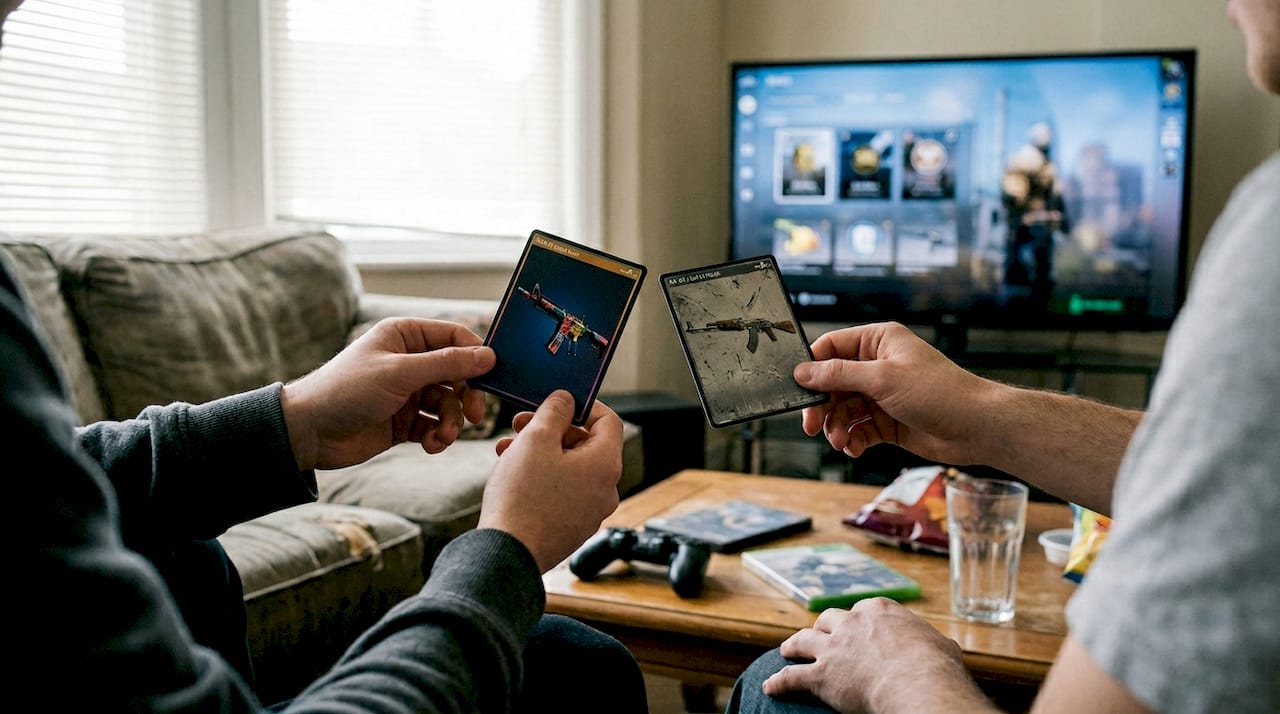
Special variants add another layer of value. StatTrak skins include a digital counter that tracks confirmed kills with that weapon, appealing to players who want to showcase their prowess. StatTrak technology and rare patterns significantly raise market value, sometimes doubling or tripling base prices. Souvenir skins drop during major tournament matches and feature gold stickers commemorating the event, teams, and players involved. These limited editions become collectibles that appreciate over time as supply remains fixed.
Pattern variations within the same skin design create micro-markets. The AK-47 Case Hardened, for example, features blue patterns that vary wildly between individual items. Full blue tops command premium prices because they're visually striking and extremely rare within the Case Hardened pool. Similarly, Fade skins show different color gradients, with full fades valued higher than partial fades. Learning these pattern nuances separates casual traders from profit-focused collectors.
Key special features that boost value:
- StatTrak kill counters
- Souvenir tournament drops with player signatures
- Rare pattern variations like full blue or max fade
- Limited edition event exclusives
- Low craft numbers on trade-up contract results
Understanding why skins are valuable for CS gamers requires recognizing that scarcity and uniqueness drive collector psychology. When a skin combines multiple rare attributes, like StatTrak Factory New with a desirable pattern, prices can skyrocket into four or five figures.
Market demand trends and trading volume impact
Skin prices don't exist in a vacuum. They fluctuate based on player demand, which shifts constantly due to tournament excitement, streamer influence, and game updates. A skin featured prominently during a major championship can see demand spike 30-50% overnight as viewers rush to emulate their favorite pros. Conversely, skins that fall out of the competitive meta or lose streamer endorsement often decline in value as interest wanes.
Trading volume directly affects liquidity and realized prices. High-volume skins like the AK-47 Redline or M4A4 Asiimov sell quickly at market rates because thousands of daily transactions establish clear price floors and ceilings. Low-volume items, especially niche knives or rare pattern variants, can sit unsold for weeks. When you finally find a buyer, you might accept a discount just to convert the skin to cash. Market demand and trade volume are key drivers of price volatility.
Marketplace trust and transaction fees also shape effective value. A skin listed on a platform with 15% fees nets you 15% less than the same skin sold on a 5% fee marketplace. Buyer protection policies, payment processing speed, and platform reputation all influence whether traders feel comfortable completing high-value transactions. Established marketplaces with escrow systems and dispute resolution attract more buyers, increasing competition and potentially raising final sale prices.
Demand factors that influence pricing:
- Tournament exposure and professional player usage
- Streamer and content creator endorsements
- Game updates that buff or nerf specific weapons
- Seasonal trends and holiday trading patterns
- Community sentiment and skin meme culture
Here's how trading volume impacts different skin tiers:
| Skin Type | Daily Volume | Liquidity | Price Stability |
|---|---|---|---|
| High-tier popular (AK Redline) | 500+ trades | Excellent | Very stable |
| Mid-tier niche (P250 Whiteout) | 50-100 trades | Good | Moderate swings |
| Low-tier rare (Souvenir drops) | 5-10 trades | Poor | Highly volatile |
Staying current with skin trading trends in 2026 helps you anticipate demand shifts before they fully materialize. Following CS2 update notes, tournament schedules, and major streamer announcements gives you an edge in timing purchases and sales.
Pro Tip: Track price histories on multiple marketplaces simultaneously. Price discrepancies between platforms create arbitrage opportunities where you can buy low on one site and sell high on another, pocketing the difference minus fees.
Choosing the right marketplace and considering reputation
Marketplace selection dramatically affects your trading outcomes. Different platforms offer varying fee structures, payment methods, buyer protections, and user bases. Steam Community Market provides maximum visibility but charges 15% total fees (5% to Steam, 10% to the game publisher). Third-party marketplaces often undercut these fees, charging 2-7%, which significantly improves your net proceeds on high-value sales.
Reputation matters enormously when dealing with expensive skins. Marketplace reputation affects trust and potentially resale value. Established platforms with robust escrow systems, verified seller programs, and transparent dispute resolution attract serious buyers willing to pay fair market rates. Sketchy sites with poor reviews or no buyer protection scare away premium customers, forcing you to discount items heavily to find any takers.
Payment options influence both speed and convenience. Some marketplaces offer instant cashouts via cryptocurrency or e-wallets, while others require bank transfers that take days to process. Withdrawal minimums and currency conversion fees eat into profits, especially for smaller transactions. Platforms that support direct skin-to-skin trades eliminate cash entirely, letting you swap items without tax implications or payment processing delays.
Key marketplace comparison factors:
- Transaction fee percentages
- Withdrawal methods and processing times
- Buyer protection and escrow services
- User base size and daily trading volume
- Currency support and conversion rates
- Seller verification and reputation systems
Here's a comparison of marketplace characteristics:
| Feature | Steam Market | Third-Party Sites | Peer-to-Peer |
|---|---|---|---|
| Fees | 15% | 2-7% | Variable |
| Liquidity | Highest | High | Medium |
| Buyer Protection | Strong | Varies | Minimal |
| Cash Withdrawal | Steam Wallet only | Direct payout | Direct trade |
Understanding what a skin marketplace offers for CS:GO and CS2 collectors helps you choose platforms aligned with your trading goals. If you prioritize speed and convenience, pay the premium for Steam Market's instant transactions. If maximizing profit matters most, shop around third-party sites for the lowest fee structures and best exchange rates.
Verify marketplace trustworthiness by checking community reviews, Reddit discussions, and how long the platform has operated. New sites offering suspiciously low fees might lack the financial backing to honor large transactions. Stick with established names when trading expensive knives or rare Covert skins worth hundreds of dollars.
Explore Dropskin for premium CS:GO and CS2 skins
Now that you understand what drives skin value, it's time to put that knowledge into action. Dropskin offers a trusted platform where you can open cases, upgrade existing skins, and participate in custom battles to grow your collection strategically. Whether you're hunting for that perfect Factory New Covert or looking to transform budget skins into premium items, Dropskin provides the tools and marketplace you need.
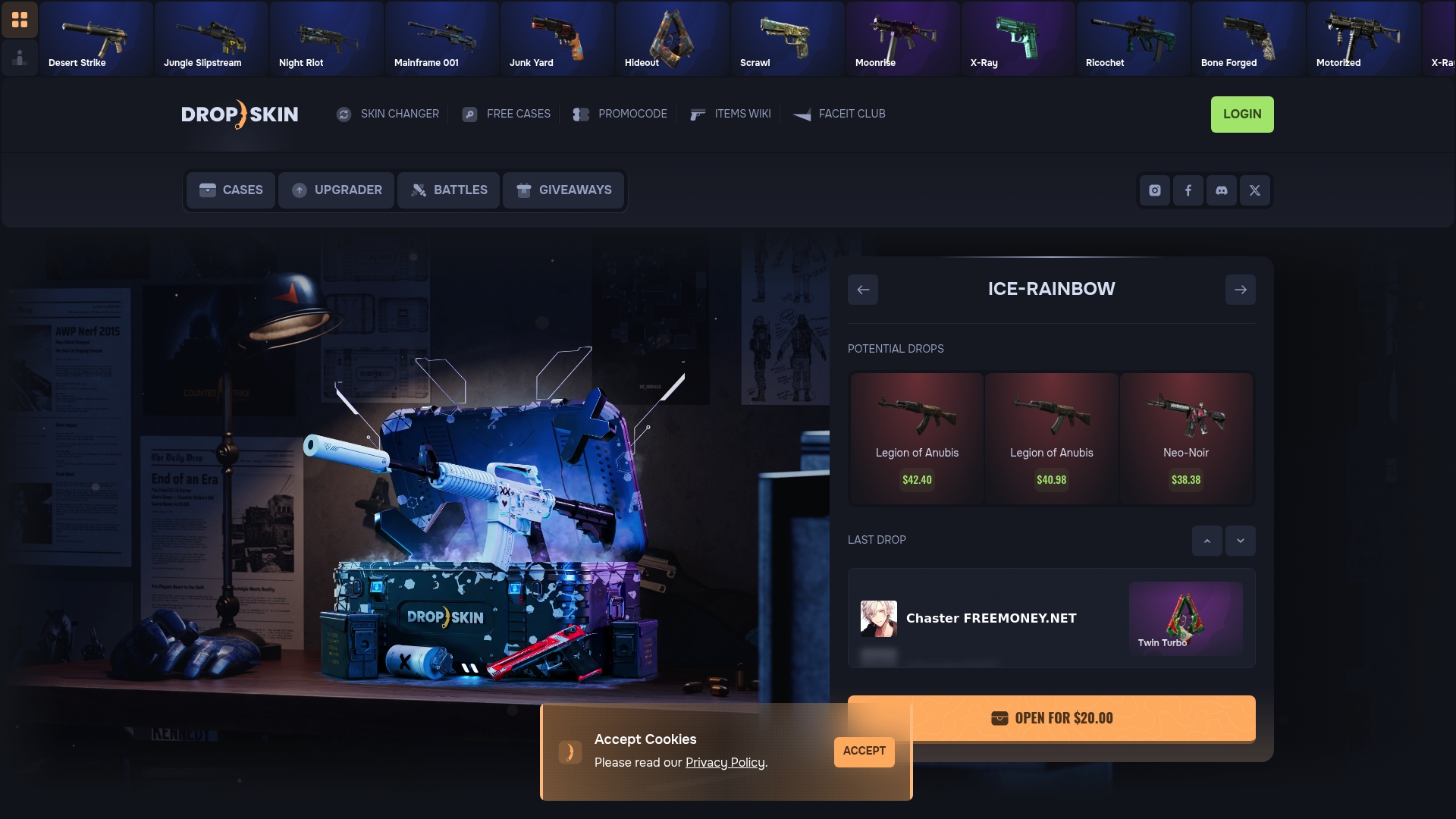
Our case opening system features extensive collections with transparent odds, letting you chase rare drops while understanding your actual chances. The CS2 Skin Upgrader lets you trade up lower-tier items for higher-value skins, applying the rarity and condition principles you've learned here. With competitive fees, secure transactions, and a vibrant community of traders, Dropskin helps you maximize the value of every skin decision.
FAQ
What determines the wear level of a CS skin?
Float value ranging from 0.00 to 1.00 determines wear level, with lower numbers indicating better condition. Factory New skins fall between 0.00 and 0.07, while Battle-Scarred extends from 0.45 to 1.00. Not all skins exist in every wear category, which affects rarity and pricing.
How does StatTrak technology affect skin value?
StatTrak skins include a kill counter that tracks confirmed eliminations, typically selling for 50-100% more than non-StatTrak versions. Collectors value this feature because it adds personalization and showcases player achievement. The premium increases further on rare skins where StatTrak versions are exceptionally scarce.
Are marketplace fees important when trading skins?
Fees directly reduce your profit on every sale, with some platforms charging up to 15% while others take only 2-5%. On a $100 skin, that's the difference between netting $85 or $95. Choosing trusted low-fee marketplaces with good liquidity maximizes returns without sacrificing transaction security.