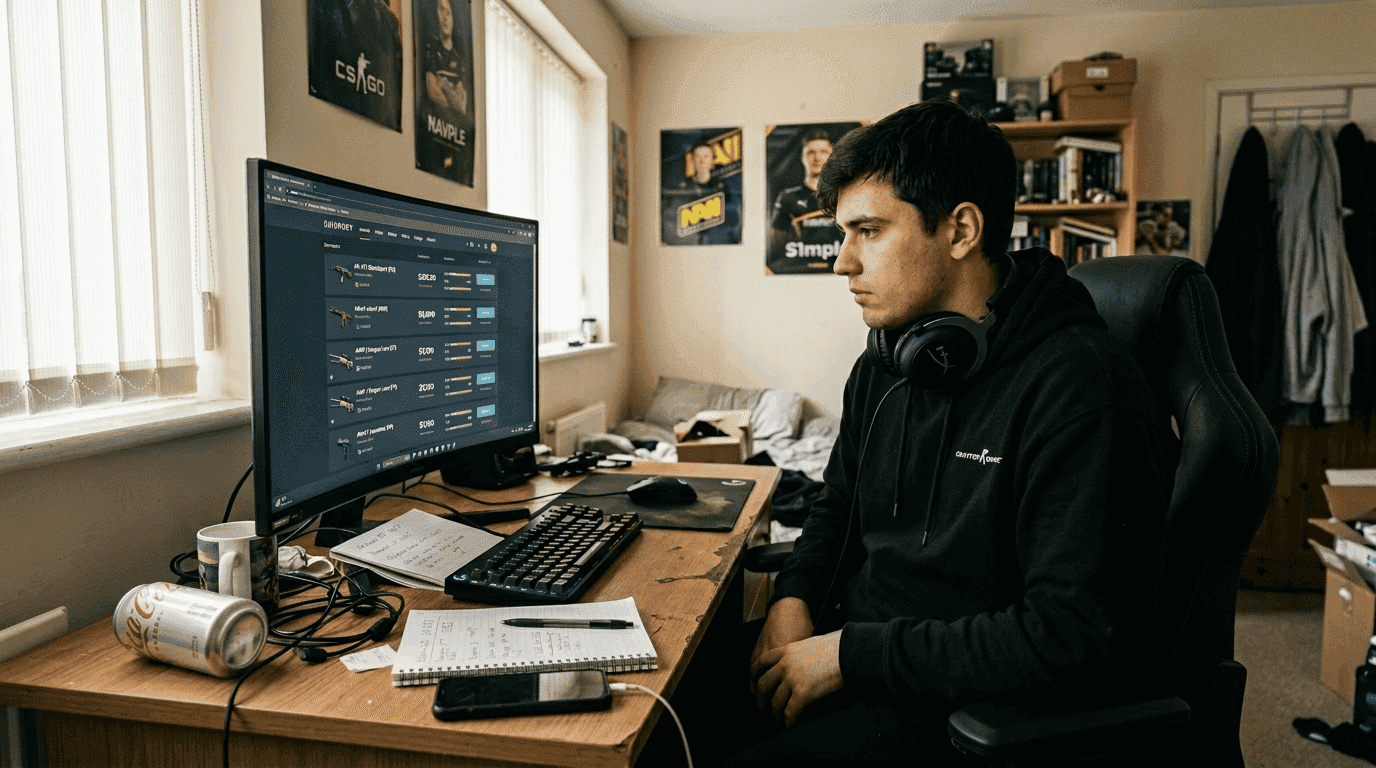
The CS:GO and CS2 skin market is a billion-dollar ecosystem where virtual weapon skins change hands daily through sophisticated marketplaces. These platforms operate on complex supply and demand mechanics, with prices fluctuating based on rarity and collector interest. Understanding how skin marketplaces function is essential for anyone looking to trade, invest, or build a valuable collection. This guide breaks down marketplace operations, pricing factors, and practical trading strategies to help you navigate this vibrant economy confidently and avoid costly mistakes.
Table of Contents
- How Skin Marketplaces Work: The Supply And Demand Engine
- Risks And Challenges In Skin Marketplaces: Manipulation And Scams
- Factors That Affect Skin Value: Rarity, Condition, And Patterns
- Practical Tips For Trading And Investing In Skin Marketplaces
- Explore Skin Upgrades And Case Openings With DROP.SKIN
- Frequently Asked Questions About Skin Marketplaces
Key takeaways
| Point | Details |
|---|---|
| Pricing model | Marketplaces set prices through supply, demand, rarity, and condition dynamics |
| Commission structure | Platforms charge between 2% to 15% per transaction for facilitating trades |
| Market risks | Manipulation tactics and scams threaten traders; verification is critical |
| Bot influence | Automated trading creates rapid price shifts that disadvantage manual traders |
| Investment strategy | Long-term holding of rare skins generates better returns than quick flipping |
How skin marketplaces work: the supply and demand engine
Skin marketplaces function as intermediaries connecting buyers and sellers in the CS:GO and CS2 ecosystem. These platforms facilitate peer-to-peer transactions while charging commissions typically between 2% to 15% of each sale. The economic model mirrors traditional commodity markets, where scarcity and desirability determine value.
Pricing depends on multiple variables working simultaneously. Rarity grades from Consumer to Covert establish baseline value hierarchies. Condition ratings from Factory New to Battle-Scarred create price tiers within each rarity level. Float values add another layer of granularity, with lower floats commanding premiums for their pristine appearance.
Demand spikes occur unpredictably when popular streamers showcase specific skins or major tournaments feature memorable plays with certain weapons. Media exposure and tournament visibility can triple prices overnight for previously overlooked items. Supply shortages in discontinued cases amplify these effects, creating perfect conditions for value appreciation.
| Marketplace Type | Typical Commission | Average Daily Volume |
|---|---|---|
| Steam Community Market | 15% | 500,000+ items |
| Third-party platforms | 2% to 7% | 200,000+ items |
| Peer-to-peer trades | 0% | 50,000+ items |
Several critical factors drive skin pricing beyond basic rarity:
- Pattern variations that create unique visual appearances
- Sticker combinations that add collectible value
- Historical significance from professional matches
- Artificial scarcity from discontinued operations
- Community trends and aesthetic preferences
Pro Tip: Monitor Twitch viewership spikes during major tournaments and track which skins appear in highlight reels to anticipate demand surges before prices adjust.
Understanding skin value drivers in the CS2 market requires recognizing how these elements interact. A common AK-47 skin with perfect pattern placement and low float can exceed the value of rarer items lacking these attributes. Market literacy separates successful traders from those who overpay for perceived rarity alone.
Risks and challenges in skin marketplaces: manipulation and scams
Market manipulation poses serious threats to fair pricing in skin marketplaces. Wash trading and price fixing create artificial demand patterns that mislead traders about true market value. Groups coordinate to buy specific skins simultaneously, inflating prices before dumping inventory on unsuspecting buyers.
Bots dominate many marketplace activities, executing thousands of trades per hour based on algorithmic triggers. These automated systems identify arbitrage opportunities faster than human traders can react, capturing profit margins before manual participants notice price discrepancies. The speed advantage creates an uneven playing field where individual collectors struggle to compete.
Common scam tactics exploit trust and technical gaps:
- Phishing sites mimicking legitimate marketplaces to steal login credentials
- Fake trade offers with nearly identical but worthless skin substitutions
- API key exploitations granting scammers access to inventory
- Middleman fraud where third parties disappear with both items and payment
- Chargeback schemes after receiving skins through reversible payment methods
Market manipulation leads to unfair price advantages harming most traders.
Regulatory oversight remains minimal in the skin trading space, leaving participants vulnerable to fraud. The SEC has issued warnings about skin marketplace scams but enforcement mechanisms are limited. Traders must perform their own due diligence, verifying platform authenticity and researching trading partners before committing to transactions.
Pro Tip: Always use Steam Trade Offers for peer-to-peer exchanges rather than third-party payment systems, as Steam's built-in protections prevent most common fraud scenarios.
Protecting yourself requires constant vigilance. Enable two-factor authentication on all accounts. Never click links from unsolicited messages claiming to offer free skins or urgent trade opportunities. Research common skin trading mistakes that newcomers make and develop systematic verification habits before accepting any trade.
The skin trading landscape in 2026 includes more sophisticated scam operations than ever before. Criminals invest in professional-looking websites and customer service facades to build false legitimacy. Cross-reference platform reviews across multiple communities and prioritize established marketplaces with proven track records over newer alternatives promising unrealistic advantages.
Factors that affect skin value: rarity, condition, and patterns
Skin valuation involves analyzing multiple technical attributes that interact to determine final market prices. Understanding these factors separates informed collectors from casual buyers who overpay for mediocre items.

| Attribute | Impact on Price | Example |
|---|---|---|
| Rarity grade | 200% to 500% variation | Covert vs Consumer |
| Float value | 50% to 300% premium | 0.00X vs 0.07 Factory New |
| Pattern ID | 100% to 1000%+ for special patterns | Case Hardened blue gems |
| StatTrak counter | 80% to 150% markup | Standard vs StatTrak version |
| Souvenir status | 200% to 400% premium | Tournament drop packages |
| Sticker combinations | 20% to 500% added value | Kato 2014 holo stickers |
Pattern IDs create the most dramatic value differences within identical skin names. Case Hardened AK-47s with specific pattern numbers showing maximum blue coloring sell for 20 times the price of standard patterns. Doppler phases on knives create similar disparities, with Phase 2 pinks commanding premiums over Phase 3 variants.
Float values measure wear on a decimal scale from 0.00 to 1.00. Factory New skins range from 0.00 to 0.07, with lower numbers showing less wear. Collectors prize skins below 0.01 float for their pristine appearance, paying substantial premiums for these rare specimens.
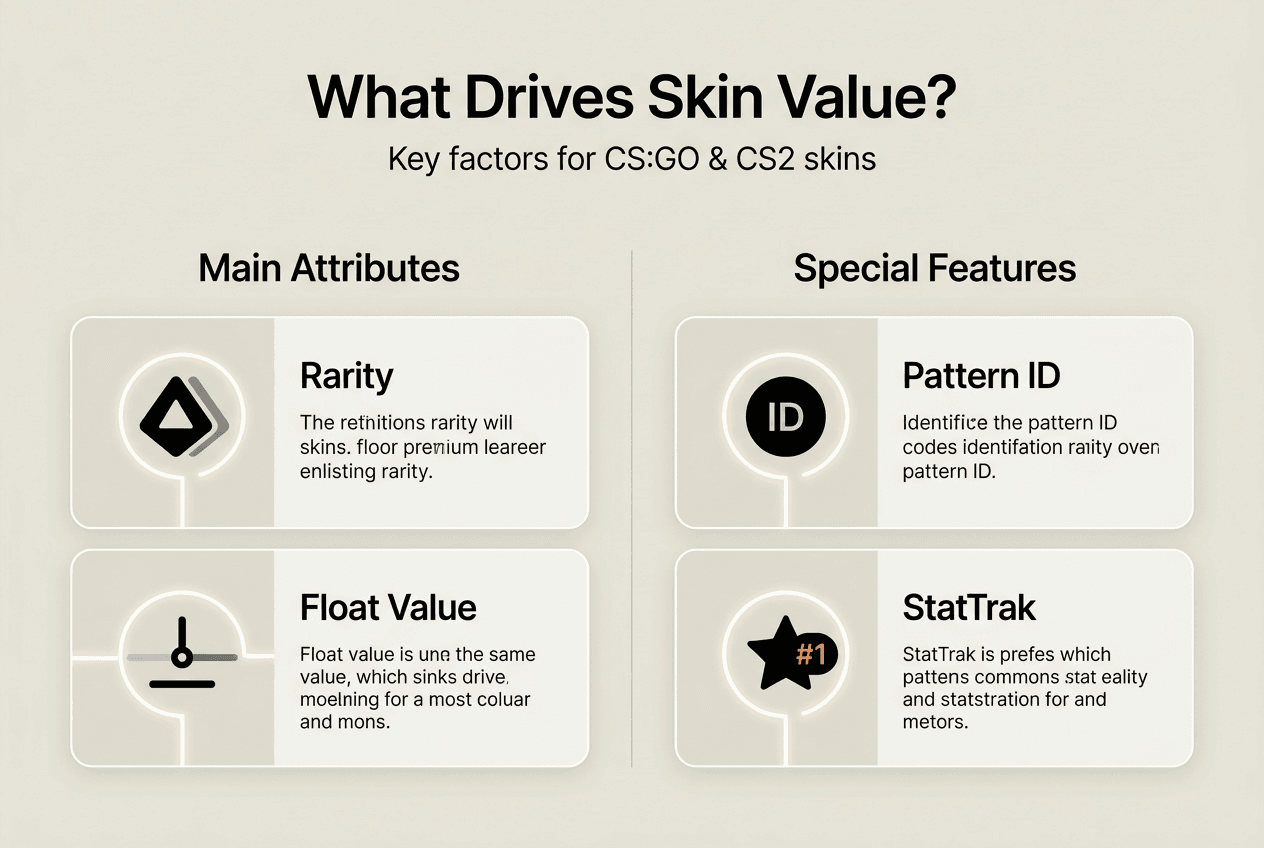
StatTrak technology adds kill counters to weapons, creating parallel markets for standard and StatTrak versions of every skin. The tracking feature typically doubles base prices but can triple values for rare items where StatTrak versions appear infrequently.
Souvenir packages dropped during major tournaments carry unique signatures and tournament stickers. These limited-edition items commemorate specific matches and players, creating collectible value beyond standard versions. Memorable tournament moments can multiply souvenir skin prices by five or more.
External factors amplify or suppress base values:
- Professional player preferences influencing community trends
- Content creator showcases generating viral interest
- Game updates changing weapon viability and usage rates
- New case releases flooding markets with competing designs
- Operation conclusions creating supply cutoffs for exclusive items
Pro Tip: Use CSGOFloat or similar inspection tools to verify exact float values and pattern IDs before purchasing, as marketplace listings often omit these crucial details.
Tournament participation and player interest create cyclical demand patterns. Skins featured in championship-winning plays experience immediate price jumps as fans rush to own the same loadouts as professional players. These spikes often correct within weeks as hype subsides, creating buying opportunities for patient collectors.
Understanding CS2 skin rarity mechanics helps predict which items will appreciate over time. Discontinued operation skins with limited total supply consistently outperform actively dropping items. Identifying these supply-constrained opportunities early maximizes long-term returns.
The interplay between multiple value factors means identical skin names can have 100x price variations. A Battle-Scarred common pattern sells for dollars while a Factory New blue gem pattern ID commands thousands. Mastering attribute evaluation separates profitable trading from random speculation.
Practical tips for trading and investing in skin marketplaces
Successful skin trading requires systematic approaches that minimize risk while maximizing potential returns. Follow these steps to build profitable trading habits:
- Research current market prices across multiple platforms before listing or purchasing any item
- Verify skin authenticity by inspecting float values and pattern IDs through independent tools
- Start with small transactions to test platform reliability and build experience
- Document all trades with screenshots and transaction IDs for dispute resolution
- Set price alerts for target items to capitalize on temporary market dips
- Diversify holdings across multiple skin types to reduce portfolio volatility
- Review trading history monthly to identify patterns in profitable versus losing trades
Authenticity verification prevents costly mistakes. Scammers create fake skins with similar names or swap items during trade windows. Always double-check item details in the Steam inventory viewer before accepting trades. Confirm pattern IDs match listings and float values align with advertised conditions.
Steam Trade Offers provide the safest peer-to-peer exchange method. The system shows exact items both parties will receive, preventing bait-and-switch tactics. Never trade through third-party websites requiring you to send items first with promises of payment later.
Long-term investing in discontinued items generates superior returns compared to active trading. Operation collections that no longer drop steadily appreciate as existing supply gets locked in private collections. Buying these items immediately after operations end captures maximum appreciation potential.
Pro Tip: Purchase discontinued operation cases and collections rather than opening them, as the sealed items appreciate faster than the average unboxed contents they contain.
Cashing out requires third-party marketplaces since Steam Wallet funds cannot convert to real currency. Research platform reputations thoroughly and start with small sales to test withdrawal processes. Established marketplaces charge higher fees but provide better fraud protection and reliable payment processing.
Patience separates successful investors from impulsive traders. Quick flipping rarely generates significant profits after accounting for marketplace fees and price volatility. Holding quality items for 6 to 12 months allows fundamental value appreciation to exceed transaction costs.
Stay informed through community resources. Monitor skin economy developments and participate in trading forums to learn about emerging opportunities. Understanding CS2 skin collecting strategies helps identify undervalued items before broader markets recognize their potential.
Market timing matters significantly. Skin trading trends in 2026 show seasonal patterns around major tournaments and game updates. Prices typically dip during summer months when player counts decrease, creating buying opportunities for patient investors.
Risk management protects capital during market downturns. Never invest more than you can afford to lose completely. The skin market lacks regulatory protections and game updates can instantly devalue entire categories. Diversification across price ranges and skin types reduces exposure to single-item crashes.
Explore skin upgrades and case openings with DROP.SKIN
Now that you understand marketplace mechanics and trading strategies, consider enhancing your collection through DROP.SKIN's specialized tools. The platform offers streamlined case opening experiences designed for collectors seeking efficient ways to acquire desirable skins without navigating multiple marketplaces.
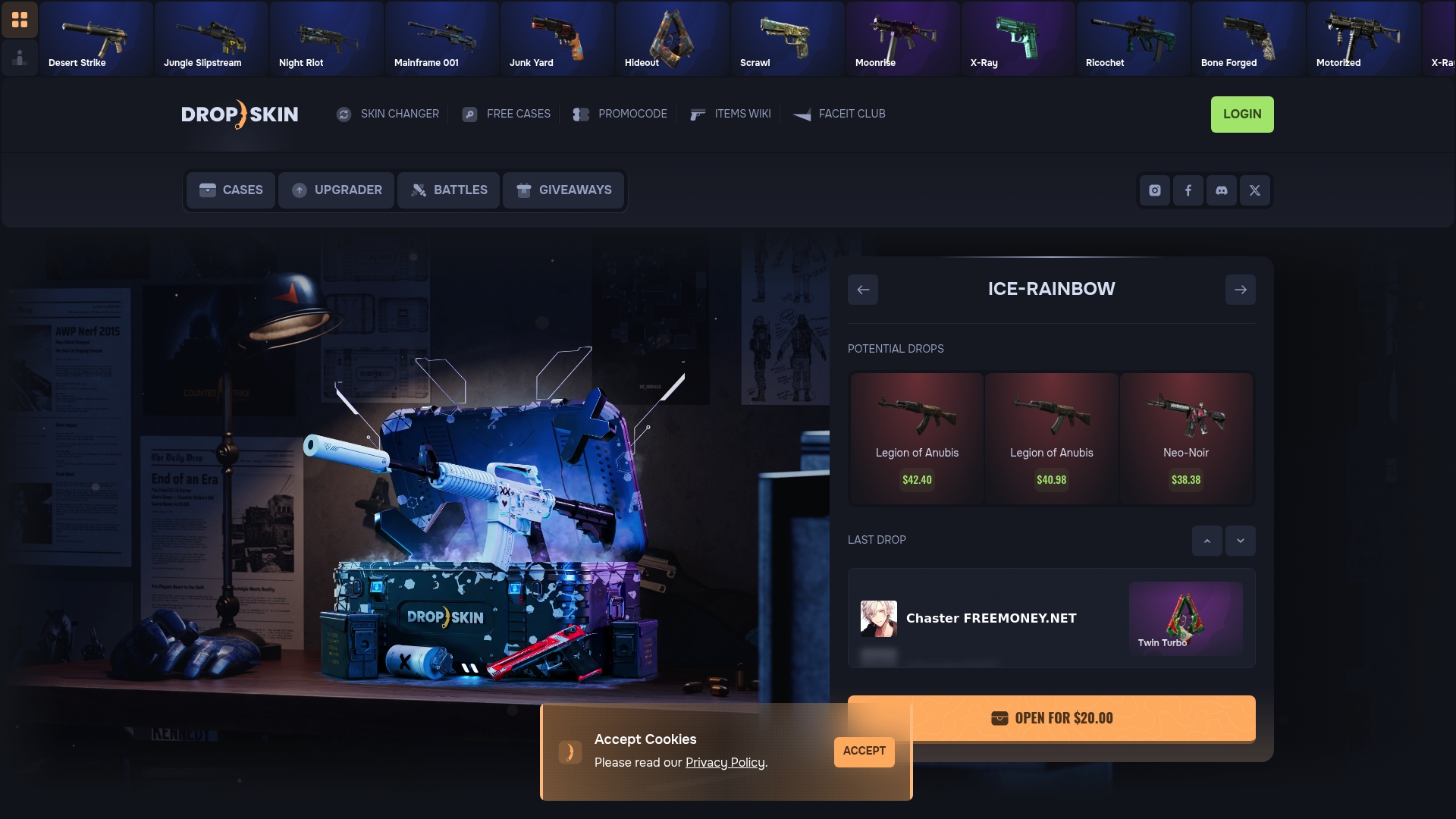
The skin upgrader tool lets you transform existing inventory into higher-value items through calculated exchanges. This approach provides an alternative to traditional marketplace trading, potentially increasing your collection's overall worth while maintaining the excitement of acquisition. DROP.SKIN's secure infrastructure ensures safe transactions, letting you focus on building your ideal CS2 loadout rather than worrying about fraud or authentication issues.
Frequently asked questions about skin marketplaces
How do skin marketplaces make money?
Marketplaces generate revenue by charging transaction fees on every sale, typically ranging from 2% to 15% depending on the platform. Steam Community Market takes 15% while third-party sites often charge lower percentages to attract volume. Some platforms add listing fees or premium membership tiers for additional income streams.
Are skin marketplaces safe to use?
Established marketplaces with proven track records offer reasonable safety through escrow systems and fraud detection. However, risks remain from market manipulation and scams that exploit platform vulnerabilities. Always enable two-factor authentication, verify URLs carefully, and research platform reputations before trading.
Can I make real money trading CS2 skins?
Yes, profitable trading is possible but requires significant knowledge and time investment. Success rates improve dramatically when following proven trading strategies and focusing on long-term value appreciation rather than quick flips. Most casual traders lose money to fees and poor timing, while dedicated investors with market expertise generate consistent returns.
What determines skin prices on marketplaces?
Prices reflect complex interactions between rarity, condition, pattern variations, and current demand levels. External factors like tournament exposure and content creator showcases create temporary spikes. Supply constraints from discontinued operations drive long-term appreciation. Understanding these dynamics helps predict price movements and identify undervalued opportunities.
How can I avoid getting scammed on skin marketplaces?
Verify all trade details through Steam's official inventory viewer before accepting. Never click links from unsolicited messages or enter credentials on unfamiliar sites. Use Steam Trade Offers exclusively for peer trades and research third-party platforms thoroughly before depositing items. Enable all available security features and maintain healthy skepticism toward deals that seem too favorable.