
TL;DR:
- CS2 skin trading requires understanding market value driven by rarity, float, demand, and recent sales to avoid losses. Choosing secure, reputable platforms and trading at optimal times during events maximizes profit and minimizes scams, with patience over hype leading to better long-term collection growth. Leveraging advanced strategies like upgrading skins and joining active communities enhances profitability while emphasizing value over fleeting market trends.
CS2 skin trading looks simple on the surface: swap a skin, pocket a profit, repeat. The reality hits harder. Prices shift without warning, scammers bait you with slick offers, and a single rushed trade can erase weeks of grinding. Whether you're building a dream inventory or flipping skins for real returns, you need more than luck. This guide gives you the exact criteria, comparisons, and decision-making frameworks that consistently separate profitable traders from those who keep selling themselves short.
Table of Contents
- Know your skins and their market value
- Evaluate safe and effective trading platforms
- Master timing: When to trade for top value
- Avoid common CS2 trading pitfalls
- Upgrade your trades: Leveraging advanced strategies
- Our perspective: Why value-focused trading beats hype every time
- Upgrade your CS2 trading journey with DROP.SKIN
- Frequently asked questions
Key Takeaways
| Point | Details |
|---|---|
| Understand skin value | Know the factors that impact your CS2 skin’s worth before every trade. |
| Prioritize safe platforms | Always use reputable trading sites to protect your collection and avoid scams. |
| Trade at the right moment | Monitor market trends and game events to maximize your trading profits. |
| Avoid common errors | Double-check every offer, be mindful of fees, and never rush into trades. |
| Use advanced strategies | Leverage trade-ups and community tips to grow and upgrade your inventory. |
Know your skins and their market value
Understanding what drives a skin's price is the single most important skill in CS2 trading. A skin isn't worth what you think it's worth. It's worth what the current market will pay, and that number changes constantly.
Several factors determine a skin's real value. Rarity, float value, and demand all affect CS2 skin prices in significant ways. Rarity tiers range from Consumer Grade at the bottom to Contraband at the top, and each step up brings a noticeable price jump. Float value (a number between 0 and 1 that measures wear) determines how clean or scratched a skin looks. A Factory New AK-47 Redline can trade for three times more than a Battle-Scarred copy of the exact same skin.
Beyond rarity and float, demand plays a massive role. Skins attached to famous players or used in major tournament highlights often carry a premium that raw stats can't explain. Special stickers applied to a skin, particularly Katowice 2014 foils or tournament holos, can sometimes be worth more than the skin itself.
Here's a quick look at how rarity typically lines up with pricing:
| Skin name | Rarity | Float range | Average price (USD) |
|---|---|---|---|
| AK-47 Redline | Classified | 0.10 to 0.70 | $8 to $30 |
| M4A4 Howl | Contraband | 0.00 to 0.44 | $1,200 to $3,500 |
| AWP Asiimov | Covert | 0.18 to 1.00 | $40 to $140 |
| Glock-18 Water Elemental | Restricted | 0.00 to 1.00 | $3 to $12 |
| USP-S Kill Confirmed | Classified | 0.00 to 0.50 | $25 to $100 |
Market trends shift every time Valve drops a new patch, runs an operation, or releases a new case. Tracking recent completed trades on pricing tools gives you a realistic view of what a skin actually sells for, not just what sellers are asking. There's a big difference between the listed price and the transaction price.
A strong habit is checking a skin collection guide before putting together trades to understand which skins hold value over time versus which ones bleed value slowly.
Pro Tip: Always use third-party pricing tools like third-party market aggregators to cross-reference prices before committing to any trade. A skin might look like a bargain until you check the last 30 days of actual sales data.
Evaluate safe and effective trading platforms
Knowing the value of your skin is only useful if you have a reliable and safe way to trade. Choosing the wrong platform can cost you far more than a bad deal ever would.
Security practices and platform reputation are critical to avoiding scams in CS2 skin trading. The key criteria you should check for any platform include:
- Security protocols: Does the site use SSL encryption? Is Steam Guard integration required?
- User reviews: What do real users say across multiple forums and communities?
- Fee transparency: Does the platform clearly state trading fees upfront, or do they surprise you at checkout?
- Trade history: Can you view past completed trades to confirm the platform is active and legitimate?
- Dispute resolution: Does the platform have a process for resolving issues if something goes wrong?
Follow these steps before making your first trade on any new platform:
- Search the platform name plus "scam" or "review" on Reddit and trusted gaming forums.
- Check if the domain is registered recently (new sites often signal risk).
- Review their terms of service, especially around withdrawals and fees.
- Look for verifiable social media presence and an active community.
- Make a test trade with a low-value skin before committing anything meaningful.
Here's how the main trading options compare:
| Platform type | Security level | Fees | Speed | Best for |
|---|---|---|---|---|
| Steam Community Market | High | 15% (5% + 10%) | Slow | Beginners, low risk |
| Reputable third-party sites | Medium to High | 3% to 8% | Fast | Regular traders |
| Peer-to-peer trades | Variable | Near zero | Instant | Trusted connections only |
The Steam Community Market is the safest entry point but its fees eat into profits aggressively. Reputable third-party platforms offer faster trades and better margins, but require proper vetting. Peer-to-peer trades with strangers carry the highest risk of scams.
Also, make sure to review our avoid trading mistakes resource before you register anywhere new. Knowing the red flags before you encounter them is the best defense.
Pro Tip: Always test a new platform with a cheap skin first. Spending $2 to test withdrawal speed and platform reliability is far better than discovering problems with a $200 skin.
Master timing: When to trade for top value
With safe trading platforms selected, you'll want to maximize profits by trading at the right moment. Timing is one of the most underrated skills in skin trading, and most new traders ignore it completely.
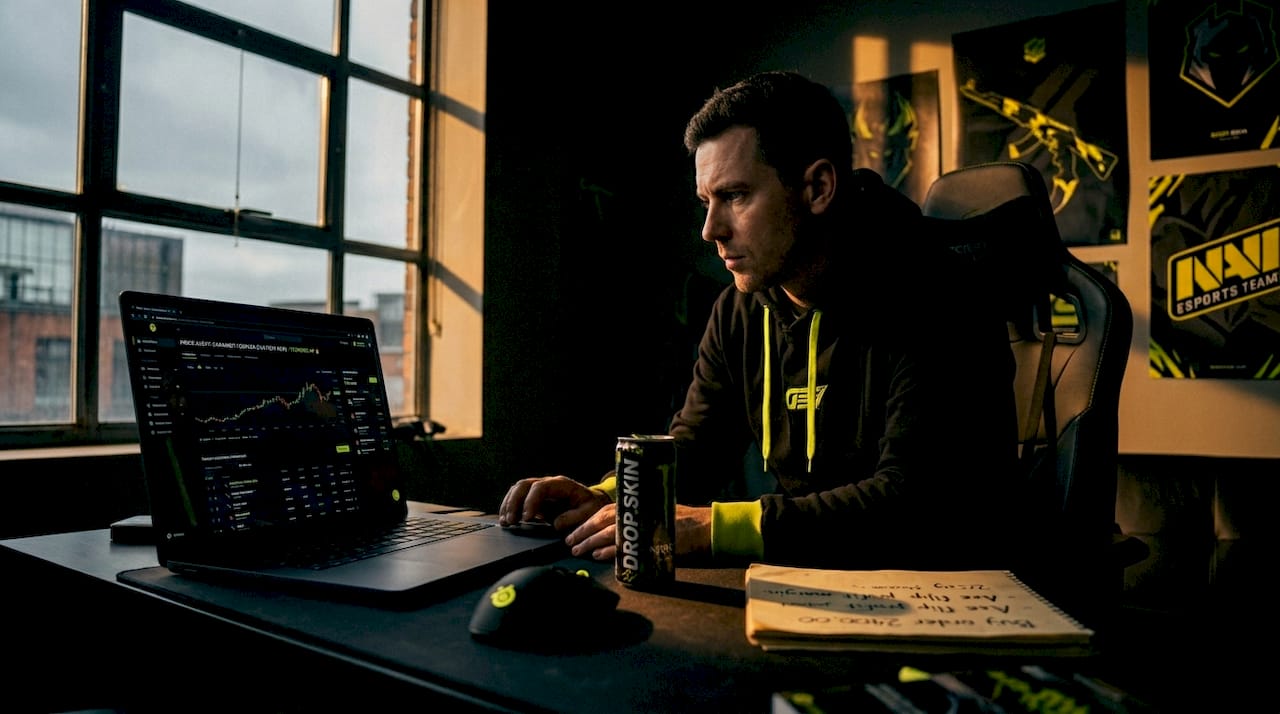
Market prices for CS2 skins can fluctuate by as much as 40% during events or major updates. That kind of swing creates real opportunities if you're paying attention and real losses if you're not.
Watch for these signs that the market is about to shift:
- New case releases: Older cases often drop in price when a new case floods the market with fresh skins.
- Major CS2 tournaments: High-profile events drive demand for team stickers and signature weapon skins.
- Game updates and operations: New gameplay content often brings spikes in player count, pushing skin demand upward.
- Steam sales and seasonal events: Holiday periods see increased player activity and higher skin transaction volume.
- Influencer and streamer attention: When a popular content creator shows off a specific skin, its demand can spike within hours.
The smartest move during events is to hold skins tied directly to that event rather than panic selling. Operation and tournament-linked skins frequently dip right before an event (as sellers cash out early), then spike once the event begins and demand peaks.
For a deeper breakdown of how events affect specific skin categories, the skin collectibles impact article covers real market movements with concrete examples.
Consulting our trading guide gives you a solid framework for planning trades around a calendar of predictable market moments throughout 2026.
Pro Tip: Set up price alert notifications on tracking tools for the skins you want. Acting within the first few hours of a price dip, rather than days later, is often the difference between a profitable flip and a missed window.
Avoid common CS2 trading pitfalls
After learning how to trade strategically, it's just as critical to know what mistakes can ruin a good deal. The most expensive errors in CS2 trading aren't dramatic. They're quiet, repeated mistakes that drain your inventory slowly.
Many users lose value by ignoring fees or rushing trades out of fear of missing out. The most frequent pitfalls include:
- Ignoring platform fees: A 15% Steam fee on every sale compounds fast. On a $100 skin, you only pocket $85 before considering the price you paid.
- Misreading float values: Confusing a 0.15 float (Field-Tested) with a 0.07 float (Minimal Wear) is an easy mistake that leads to mispriced trades.
- Skipping trade confirmations: Accepting a trade offer without carefully checking every item in the offer window is how duplicate scams work.
- Trading under pressure: Scammers create artificial urgency to push you into accepting bad offers before you've thought it through.
- Holding depreciating skins too long: Some skins lose value gradually after their hype cycle fades. Knowing when to exit matters as much as knowing when to enter.
"The trader who pauses, checks twice, and calculates fees will always outperform the one who acts fast and counts losses later."
Protecting yourself from scams requires a simple confirmation habit. Before accepting any trade, verify the Steam profile of the other person, cross-reference the items against current pricing, and confirm you're receiving what was discussed outside the platform (in a chat or post). Never skip this step, even for trades with people you've dealt with before.
Our full breakdown of skin collecting strategies also covers how to organize your inventory to minimize exposure to bad trades and maximize the clarity of your portfolio.
Upgrade your trades: Leveraging advanced strategies
Once you've mastered the basics and learned to avoid mistakes, advanced strategies can help you trade like a pro. The most effective way to grow your inventory's overall value isn't just trading sideways; it's trading upward.
Upgrading lower-value skins into rarer ones can often yield higher profits long-term, especially when you approach it methodically rather than randomly.
Here's how to run a skin upgrade cycle effectively:
- Identify low-value skins with volume: Skins that many players own are easier to acquire cheaply and bundle for upgrades.
- Use trade-up contracts strategically: Feed 10 skins of the same collection into a trade-up contract to receive one skin of the next rarity tier. Research which collections yield the best ratio of expected value to risk.
- Choose upgrader tools with favorable odds: Some platforms show live odds on upgrade outcomes, letting you make informed decisions rather than blind ones.
- Track your upgrade history: Keep a simple log of what you put in and what you received. This makes it easier to spot whether a strategy is working over time.
- Reinvest returns in higher-value brackets gradually: Moving from $5 skins to $20 skins before jumping to $100 skins reduces the variance you experience at each step.
The reinvestment question, whether to cash out or roll profits into higher-value skins, depends on your goals. If you're building a long-term collection, rolling into higher-tier skins makes sense during stable market periods. If you've hit a profit target, taking some value off the table protects you from sudden market drops.
Joining active trading communities on Discord and Reddit also unlocks deals you'll never find on public platforms. Motivated sellers often post private offers at below-market prices to move inventory fast. You'll only see these deals if you're embedded in the right spaces.
Our collecting tips article goes deeper on building a collection that retains value, and the getting CS2 skins guide covers every major acquisition method so you can fill gaps in your inventory strategically.
Pro Tip: Join two or three reputable CS2 trading Discord servers. These communities regularly share rare listings, scam warnings, and undervalued skin alerts that give active members a clear edge over solo traders.
Our perspective: Why value-focused trading beats hype every time
Here's something we've watched play out repeatedly across thousands of trades: the traders who chase hype almost always lose to the traders who chase value. It sounds obvious. In practice, it's surprisingly hard to follow.
Hype is loud. When a new skin collection drops or a streamer shows off a rare knife, the FOMO (fear of missing out) hits fast. People rush in at peak prices, hold through the correction, and eventually sell at a loss while telling themselves they'll do better next time. This cycle repeats because hype feels like opportunity.
Value-focused trading is quieter. It means checking float values, comparing rarity tiers, watching completed sales rather than asking prices, and waiting for the moment when the market undersells a skin you know has stable demand. It means using a long-term trading guide to frame your decisions around data rather than Discord chatter.
What we've seen over years in this space is that patient collectors, people who hold undervalued skins through quiet periods and sell into demand spikes, consistently build better inventories than hype chasers. Their wins aren't as dramatic in the moment, but they compound. A $30 skin that you bought at $18 and sold at $45 during an event isn't a story anyone posts about. But do that ten times in a year and the math is hard to argue with.
"Consistency builds a legendary inventory; hype just burns through your wallet."
The practical takeaway is simple: set your criteria before you look at offers, not after. Decide what float range, rarity, and price point represents value for a specific skin, and only trade when those conditions are met. Remove the emotion from the equation and what's left is strategy.
Upgrade your CS2 trading journey with DROP.SKIN
Ready to put these strategies into action? DROP.SKIN was built for traders and collectors who want more than a basic marketplace.
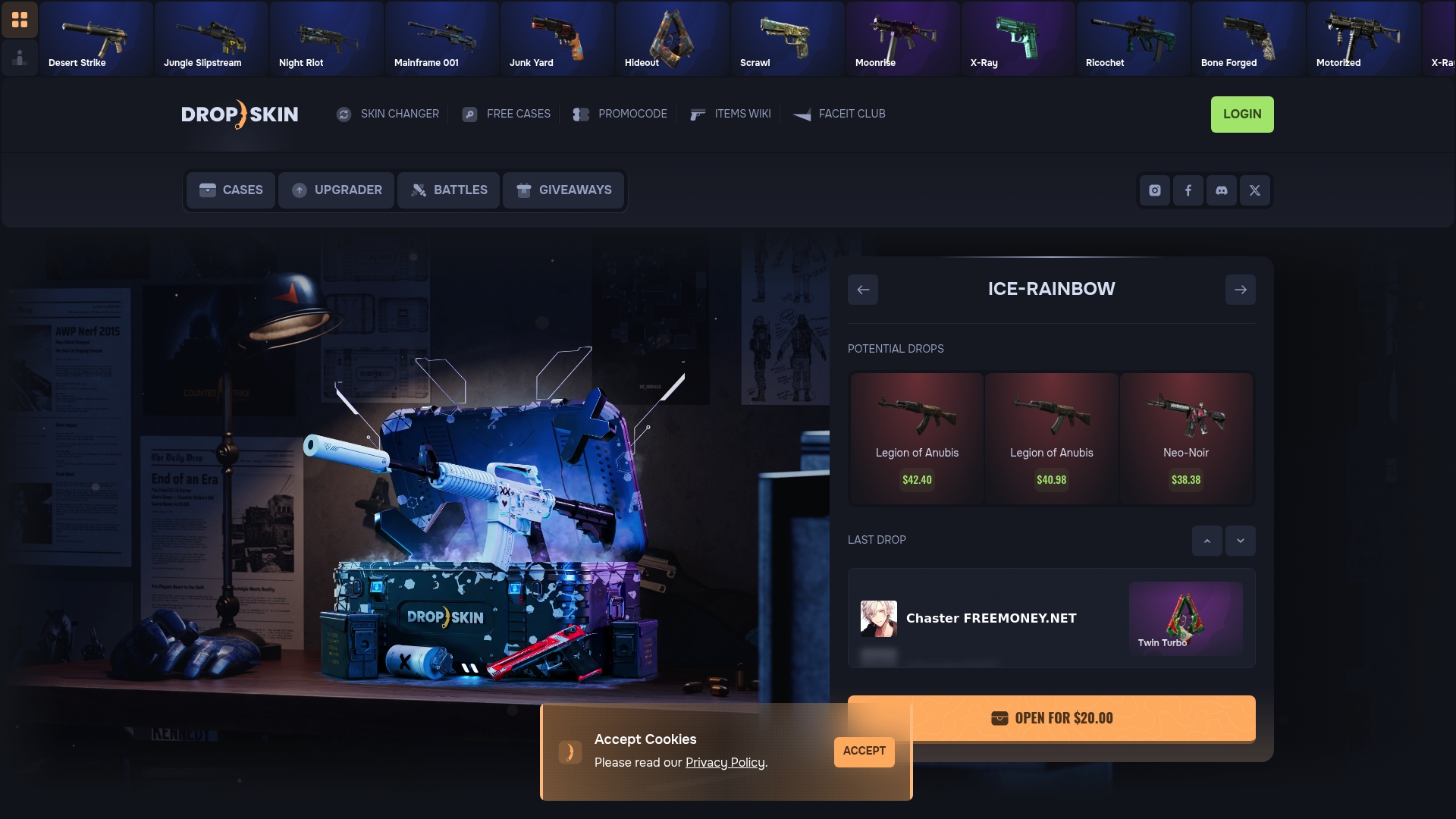
At DROP.SKIN, you can trade smarter, open cases, and take your collection to the next level without the friction that slows you down on other platforms. The platform is designed to help you extract real value from every trade, with transparent mechanics and a community that takes skin quality seriously. If you're ready to move beyond basic swaps and start leveraging genuine upgrade strategies, use the skin upgrader to turn lower-value inventory into rare, high-demand skins. It's one of the fastest ways to accelerate your collection without grinding from scratch.
Frequently asked questions
How do I check the real value of a CS2 skin before trading?
You should compare recent marketplace sales and check a skin's rarity, float value, and demand for the most accurate price estimate.
What's the safest way to avoid scams when trading CS2 skins?
Use reputable trading sites, enable Steam Guard, double-check every offer, and rely on safe trading practices including starting with low-value test trades on any new platform.
When is the best time to trade CS2 skins?
Skins tend to spike during events, game updates, or new case drops, since prices can fluctuate up to 40% during those windows, making them ideal moments to sell or trade up.
Is it worth upgrading lower-value skins for rare ones?
Upgrading can be highly worthwhile when you approach it methodically, since upgrading into rarer skins often yields stronger long-term returns than simple sideways trades.
What's the most common mistake new skin traders make?
Most new traders rush deals or forget to account for fees, and as a result lose significant value that accumulates quietly across dozens of transactions.