TL;DR:
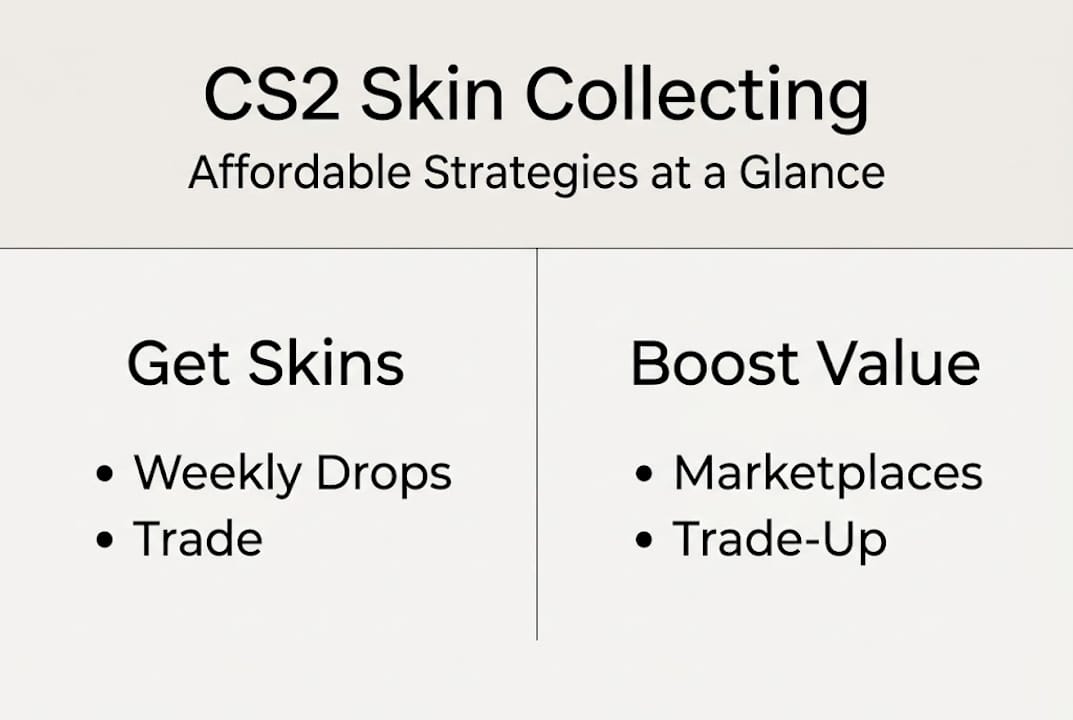
- Players can build a CS2 skin collection through free weekly drops, trading, and market purchases.
- Proper account setup with Prime, 2FA, and account age is essential to access drops and avoid scams.
- Patience and strategic trading outperform luck-based case opening methods for acquiring valuable skins.
Chasing a Karambit or an AWP Dragon Lore feels electric until you see the price tag. Premium CS2 skins can run hundreds or even thousands of dollars, and if you've tried your luck with case openings, you already know the odds are stacked against you. The good news is that affordable methods exist beyond pure luck: weekly drops, strategic trading, and selective market buys can all stretch your budget while growing a collection worth showing off. This guide walks you through every stage of the collecting process, from setting up your account correctly to verifying and protecting the skins you earn.
Table of Contents
- What you need before collecting skins
- How to get CS2 skins: Drops, trading, and marketplaces
- Case openings and trade-ups: Potential and pitfalls
- Verifying, selling, and protecting your CS2 skins
- Why affordable skin collecting is about patience, not luck
- Upgrade your collection with trusted CS2 platforms
- Frequently asked questions
Key Takeaways
| Point | Details |
|---|---|
| Weekly drops matter | Prime account holders can maximize value by playing for weekly skin and case drops. |
| Case openings are risky | Most users lose money opening cases, so trade or buy directly for better value. |
| Research before selling | Always check skin float, pattern, and market rates to maximize profit and avoid scams. |
| Patience pays off | Building a valuable skin collection is best done steadily through safe, proven methods. |
What you need before collecting skins
Before you spend a single dollar or trade away a single skin, you need the right foundation. Jumping in without the proper account setup is one of the fastest ways to lose skins to scammers or miss out on free weekly drops entirely.
The single most important unlock is Prime status. Weekly drops require Prime account status and leveling up your profile via XP earned in matches. Without Prime, you're completely locked out of the drop system, which is one of the few genuinely free ways to collect skins over time.
Beyond Prime, here's what you need to have in place:
- Steam level 2 or higher: Some marketplaces and trade sites check your Steam level before allowing transactions
- Two-factor authentication (2FA): Steam Guard Mobile Authenticator is mandatory for trading; without it, you face a 15-day trade hold on every item
- Phone-verified account: Required for marketplace access and reduces scam risk significantly
- Account age of at least 30 days: Steam enforces this before you can send trade offers
- KYC verification on third-party sites: If you plan to cash out real money, platforms will ask for identity documents
Here's a quick overview of account requirements across different activities:
| Activity | Prime needed | 2FA required | Minimum account age |
|---|---|---|---|
| Weekly drops | Yes | No | None |
| Steam Market | No | Yes | 30 days |
| Third-party sites | No | Recommended | Varies |
| P2P trades | No | Yes | 30 days |
For a detailed walkthrough of getting everything configured correctly, the step-by-step skin collection setup covers each stage without leaving gaps.
Pro Tip: Use a unique, complex password for Steam and never share your login with anyone. Enable Steam Guard on your mobile device the moment you create your account. Most skin thefts happen through phishing links and password reuse, not sophisticated hacks.
How to get CS2 skins: Drops, trading, and marketplaces
With your account configured, you have four main routes to building your collection. Each has a different cost structure, risk profile, and time investment. Understanding all four lets you mix and match based on your budget and patience level.
Step 1: Earn XP and collect weekly drops. Play matches regularly to fill your XP bar. Each weekly drop gives you a selection of possible items after earning 5,000 XP. The skins are usually low-tier, but they're free and stackable over time.
Step 2: List, buy, and sell on the Steam Market. Once you have skins, you can sell them for Steam Wallet funds and reinvest in better items. It's a slow grind, but it compounds.
Step 3: Use third-party marketplaces for better margins. Steam Market charges 15% fees, while third-party sites range from 2 to 12%, making a real difference at scale.
Step 4: Trade up or cash out. Once you've accumulated enough skins, either use the trade-up contract system or sell for real money on verified platforms.
For deeper context on making each method work efficiently, check out these smart premium skin tips and the complete CS2 trading guide.
Here's how the main methods compare at a glance:
| Method | Cost | Risk | Potential reward |
|---|---|---|---|
| Weekly drops | Free | None | Low-tier skins |
| Steam Market | 15% fee | Low | Any skin available |
| Third-party sites | 2-12% fee | Medium | Better margins |
| Direct P2P | No fee | High | Varies |
Warning: Direct P2P trading without escrow is risky. Scammers impersonate buyers, send fake confirmations, and disappear once you confirm the trade. Always use platforms with built-in escrow or dispute resolution.
For more collecting tips on mixing methods intelligently, experienced collectors often recommend starting with drops, selling duplicates, and gradually upgrading through the market. You can also learn how to maximize drop value so every free skin counts.
Pro Tip: Before confirming any trade, verify the exact item name, float range, and the other user's Steam profile history. Scammers frequently swap near-identical skins at the last second hoping you won't notice.
Case openings and trade-ups: Potential and pitfalls
Case openings are the most exciting part of CS2 skin collecting, and also the most dangerous for your wallet. Understanding exactly what you're getting into before spending money on keys is essential.
Step 1: Buy a case and a key. Cases cost roughly $0.03 to $25+ depending on rarity. Keys cost around $2.50 each. You need both to open.
Step 2: Know the fixed odds before you open. Case odds are fixed: Blue 79.92%, Purple 15.98%, Pink 3.2%, Red 0.64%, Gold/Knife 0.26%. You will get a blue item the vast majority of the time.
Step 3: Understand the real cost of knife hunting. The expected cost for one knife is roughly $962. That number hasn't changed since CS:GO. Factor that into any plan to "chase" a rare skin.
Step 4: Consider trade-up contracts instead. Trade-ups let you combine 10 skins of the same rarity to receive one skin from the next rarity tier. It's more predictable than case openings and lets you use lower-value skins you'd otherwise sell cheap. For more detail on both methods, the case opening strategies and risks guide breaks it down clearly.
Here's a quick look at case rarity odds:
| Rarity | Color | Drop rate |
|---|---|---|
| Consumer Grade | Blue | 79.92% |
| Industrial Grade | Light Blue | 15.98% |
| Mil-Spec | Purple | 3.20% |
| Restricted | Pink | 0.64% |
| Classified/Covert/Knife | Red/Gold | 0.26% |
Reality check: The vast majority of case openers lose money over any meaningful sample size. Cases are entertainment, not investment. Budget for them like you'd budget for a movie ticket, not like a savings plan.
For a broader look at how rarity affects long-term value, the skin rarity odds breakdown is worth reading before you spend. And if you're still curious about the experience itself, this beginner case opening guide covers expectations honestly.
Pro Tip: Set a firm monthly limit for case openings. Use trade-up contracts for value building, not case keys. If you're opening cases for fun, treat it as entertainment spending with a fixed cap.
Verifying, selling, and protecting your CS2 skins
Acquiring skins is only half the game. Knowing what you actually own and how to sell or protect it is where collectors either win big or get burned.

Every skin has several attributes that directly affect its market value. Inspect float, patterns, stickers, StatTrak, and always use secure platforms for any sale. A Factory New skin with a 0.001 float is worth dramatically more than the same skin at 0.06. Rare patterns like Case Hardened blue gems or Fade full-fade percentages command serious premiums.
Here's what to check on every skin before selling:
- Float value: Lower floats mean better condition and higher prices
- Pattern index: Some patterns are rare and fetch collector premiums
- Applied stickers: High-tier or tournament stickers can add significant value
- StatTrak status: StatTrak versions of popular skins carry a notable price markup
- Collection status: Discontinued collections appreciate as supply shrinks
For your best selling options, consider the impact of collectibles on value before deciding where to list.
To sell securely and avoid getting burned:
- Use the Steam Market for small, uncomplicated skins where speed matters more than fees
- Use trusted third-party platforms for higher-value skins where the lower fees justify the extra steps
- Always check buyer profiles for trade history and account age before accepting offers
- Never accept trade offers that arrive unexpectedly without context
- Read up on selling CS2 skins safely to understand what's a fair price
Common scams include phishing links, overpay fakes (where someone offers way too much then reverses the payment), and API key theft. Understanding the role of skin collections also helps you spot when someone is trying to lowball you on a genuinely rare item.
Never share your Steam API key with any third-party website or bot. API key theft allows scammers to intercept your trades silently. Regenerate your key immediately at steamcommunity.com/dev/apikey if you suspect compromise.
Why affordable skin collecting is about patience, not luck
Here's what most new collectors get completely wrong: they treat skin collecting like a slot machine. They open 20 cases hoping for a knife, lose $50, and quit. Then they tell everyone the system is broken.
The collectors who consistently build impressive inventories aren't luckier. They're more systematic. They earn free drops every week, sell duplicates immediately, reinvest in one solid mid-tier skin at a time, and occasionally grab discontinued cases before supply fully dries up. Over six months, that approach compounds into something real.
The case opening math is genuinely brutal. A knife costs you nearly $1,000 in expected value. But a patient collector who trades up from drops for a year might land that same knife without spending anywhere near that amount.
The contrarian insight here is that the "boring" strategy, steady drops, smart trades, and occasional targeted buys, consistently outperforms the high-risk approach that gets all the attention on YouTube. That said, there's nothing wrong with opening cases occasionally for the experience. Just know the odds going in.
Pro Tip: Set a monthly skin budget before you open Steam. Decide in advance how much is for case openings (entertainment) and how much is for strategic buys. Collectors who use the master esports collecting guide framework outpace random spenders every single time.
Upgrade your collection with trusted CS2 platforms
Now that you know how to collect smartly, you need a platform that keeps up with your strategy. Dropskin.com is built for collectors who want more than just a market listing. You can open CS2 cases from an extensive catalog in a secure, transparent environment where the odds are always visible before you commit.
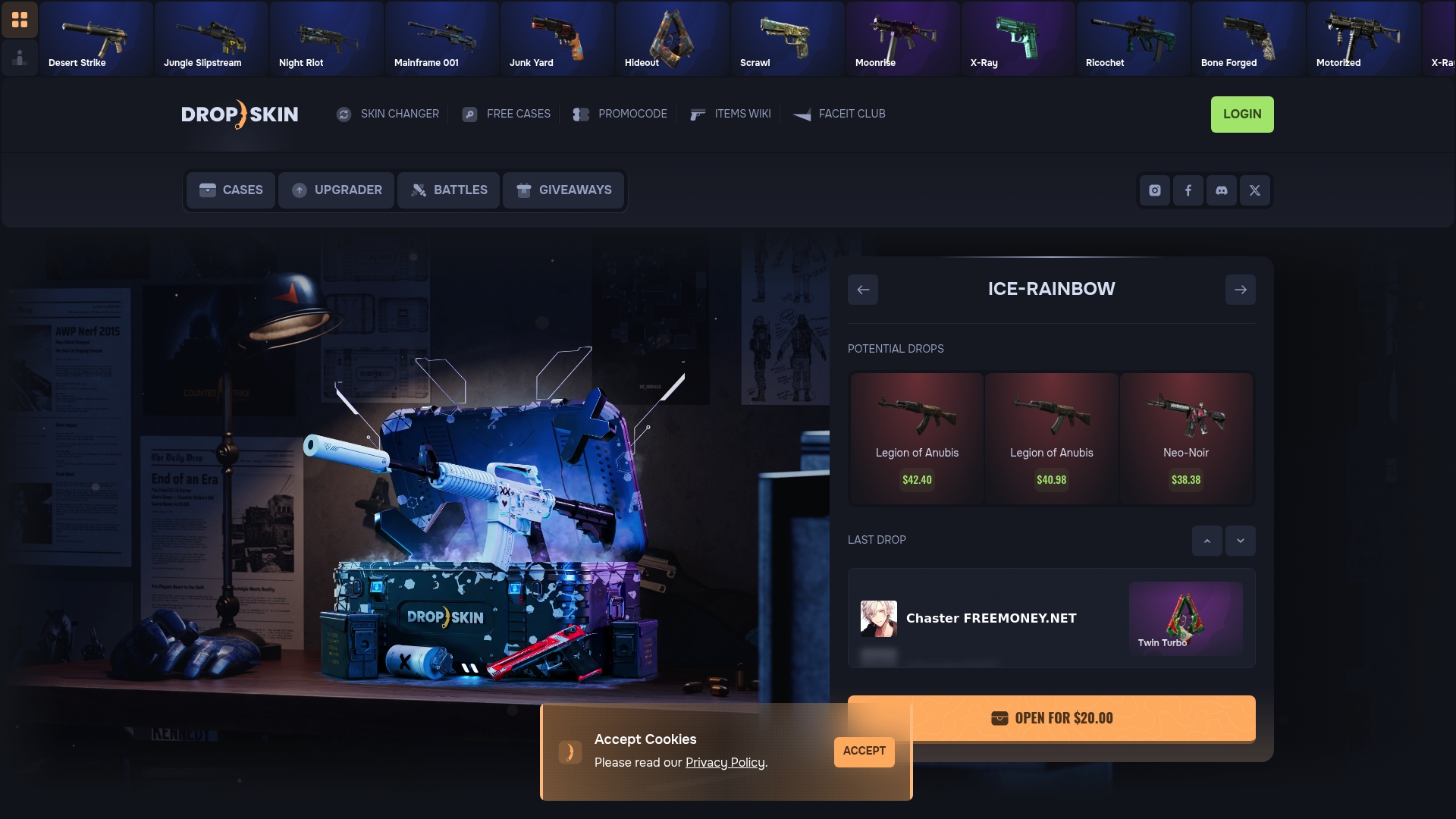
Want to put your accumulated skins to work? The upgrade your CS2 skins feature lets you trade lower-value items for a shot at premium skins without going through the traditional case route. It's a smarter way to climb your inventory tier without losing everything to fees or bad odds.
Frequently asked questions
What is the fastest way to get free CS2 skins?
The fastest free method is to play matches with a Prime account and earn weekly drops by leveling up your XP bar each week.
Are case openings profitable for collecting skins?
No, case openings are typically unprofitable because case odds are fixed at very low rates for valuable items, meaning most users lose money over time.
How do I know if my CS2 skin is valuable?
Check its float value, pattern index, rarity, stickers, and whether it's from a discontinued collection. Skin value depends on all of these factors combined.
Is trading skins safe?
Trading through the Steam Market or reputable third-party platforms is generally safe, but direct P2P trades carry significant scam risk without proper escrow protection.
Why do rare CS2 skins get more expensive over time?
Rare or discontinued skins and cases increase in price because supply shrinks while collector demand stays strong. Rare cases appreciate consistently as fewer unopened units remain in circulation.