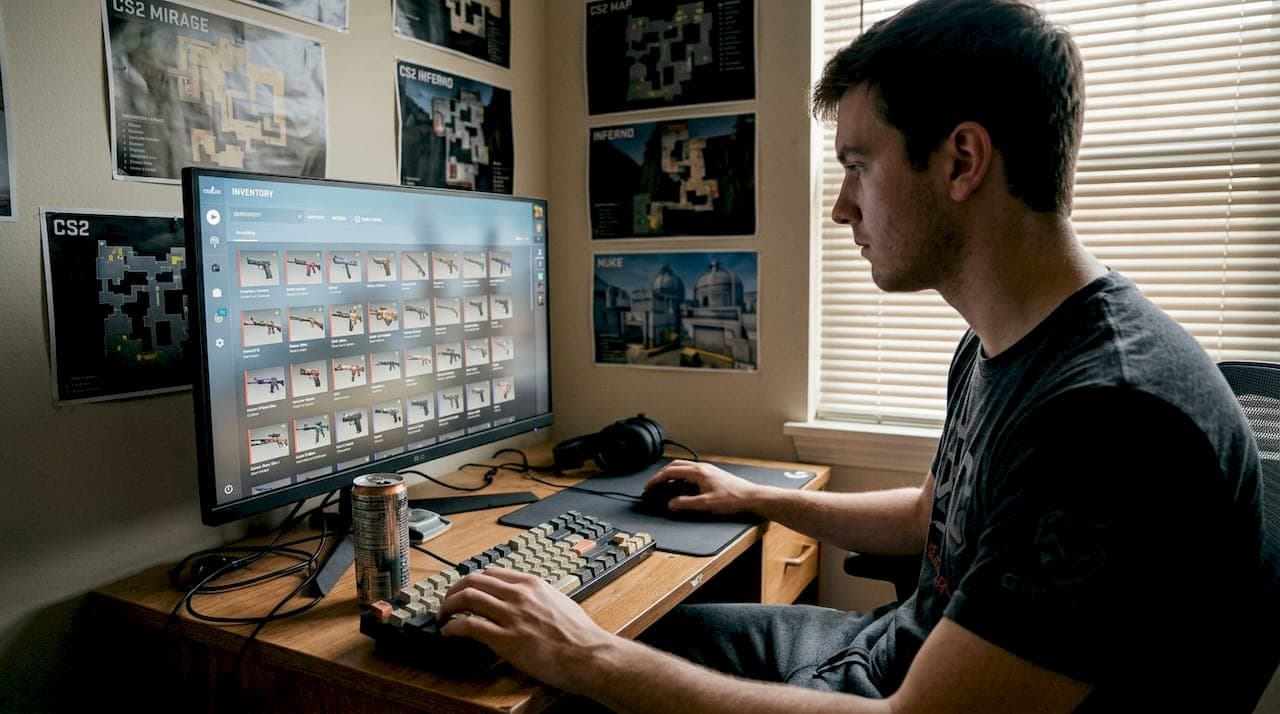
Some skin collections change in value overnight due to game updates and discontinued drops, revealing why collections are more than just cosmetics. Skin collections go far beyond aesthetics. They shape the CS2 and CS:GO economy, entertainment, and trading dynamics. Many players assume skins are just visual upgrades, when they're actually potent assets with real market influence. Discontinued collections like Cobblestone offer investment opportunities due to supply caps. This guide explores how collections impact value, strategy, and your in-game experience, giving you the knowledge to navigate this dynamic ecosystem with confidence.
Table of Contents
- What are skin collections in CS2 and CS:GO?
- Why do players value skin collections?
- How rarity and pattern seeds influence collection value
- Collection mechanics: Drops, trade-ups, and supply caps
- Skin collections, gambling, and entertainment value
- Transform your collection strategy with Dropskin
- Frequently asked questions
Key Takeaways
| Point | Details |
|---|---|
| Collections drive value | Skin collections create structured, themed sets that set the tone for trading and rarity in CS2 and CS:GO. |
| Rarity and seeds matter | Ultra-rare patterns and discontinued collections can turn simple skins into prized investments. |
| Mechanics impact strategy | Understanding drops, supply caps, and trade-ups is key to effective collecting and trading. |
| Entertainment and culture | Collecting skins fuels both entertainment through gambling and social recognition in the player community. |
What are skin collections in CS2 and CS:GO?
To understand the power and influence of skin collections, it helps to know what they actually are and how they're structured in both games. Skin collections are sets of weapon skins grouped by theme or event, creating cohesive visual identities that players can pursue. Unlike individual skins that exist in isolation, collections structure inventories thematically for fun and trading purposes. Collections come from operations, cases, and map rewards, each with distinct acquisition methods and rarity profiles.
When you complete matches on specific maps, you might receive drops from that map's collection. Cases require keys to unlock and contain predetermined sets of skins. Trade-up contracts let you exchange lower-tier skins for higher-tier ones within the same collection. These mechanics create a structured ecosystem where every skin has a place and purpose. Understanding CS2 skin collection guide fundamentals helps you make smarter decisions about which collections to pursue.
Here are the primary sources for obtaining collection skins:
- Completing matches on specific maps to earn collection drops
- Opening cases with keys purchased from the Steam Market
- Using trade-up contracts to upgrade lower-tier skins
- Trading directly with other players on marketplaces
- Participating in operations and special events
| Collection Name | Acquisition Method | Value Factors |
|---|---|---|
| Cobblestone | Map drops (discontinued) | Supply cap, rare patterns |
| Chroma | Case openings | Pattern seeds, condition |
| Gods and Monsters | Operation rewards | Limited availability |
| Ancient | Map drops (active) | Current supply, demand |
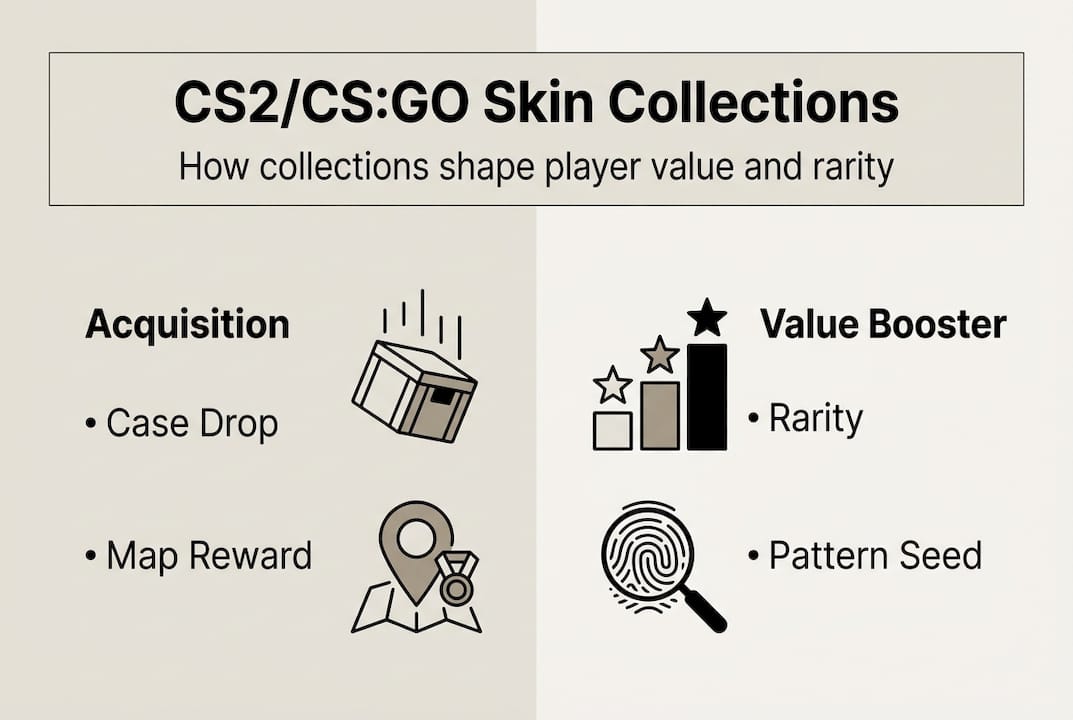
The structure of collections creates natural hierarchies. Some collections remain active with ongoing drops, while others become frozen in time when Valve removes them from rotation. This dynamic directly impacts long-term value and collectability. When you're building a CS2 collection, knowing which collections are active versus discontinued shapes your entire strategy.
Why do players value skin collections?
Knowing what collections are, let's examine why they attract passionate collectors and everyday players alike. Players value collections for expressing identity, achieving rare or elite status, and curating aesthetic loadouts that reflect personal taste. Your inventory becomes a visual statement about who you are in the game. Rare collections signal dedication and knowledge, earning respect from other players in the community.
Social credibility matters in [CS2 and CS:GO skin culture](https://blog.dropskin.com/blog/why gamers collect skins cs2 csgo culture). When you join a match with a complete themed collection, other players notice. Trading leverage increases when you own sought-after sets, giving you negotiating power in marketplace transactions. The [value of collecting digital skins](https://blog.dropskin.com/blog/why collect digital skins) extends beyond personal enjoyment into social capital and economic opportunity.
Many collectors adopt an investment mindset, monitoring price trends and update impacts. Collections structure inventories thematically for fun and trading, though values remain volatile post-updates. Smart collectors track which collections Valve might discontinue, positioning themselves for appreciation when supply caps hit.
"Some collections are discontinued, raising the bar for exclusivity and investment."
Here's why players pursue collections:
- Pure enjoyment of themed aesthetics and visual cohesion
- Social proof and status within the gaming community
- Trading opportunities and marketplace leverage
- Profit potential through speculation and timing
Pro Tip: Focus on collections tied to major events. They often appreciate most post-update when Valve rotates content and creates artificial scarcity.
The intersection of esports engagement with skins amplifies collection value. Professional players showcase rare collections during tournaments, creating aspirational demand among viewers. This visibility drives prices up for featured collections, especially when pros use specific pattern variants. Following an esports skin collecting guide helps you anticipate which collections will trend based on competitive play patterns.
How rarity and pattern seeds influence collection value
With motivation established, the next dimension is understanding what makes some collections or individual items so much more valuable than others. Rarity tiers classify skins from Consumer Grade to Covert, with each tier having different drop probabilities. Pattern seeds determine the exact visual appearance of each skin, creating unique variations within the same design template. These two factors combine to create hierarchy and scarcity.

Specific pattern seeds create intra-collection rarity, like Case Hardened blue gems that command premium prices. A standard Case Hardened AK-47 might sell for modest amounts, while a blue gem variant with the right seed number can fetch thousands. The visual difference seems subtle to casual observers, but collectors recognize these patterns instantly. Understanding how skin rarity drives price gives you an edge in identifying undervalued items.
| Collection | Regular Variant Price | Rare Pattern Price | Rarity Factor |
|---|---|---|---|
| Case Hardened | $50-$200 | $5,000-$50,000+ | Blue gem seeds |
| Fade | $300-$800 | $2,000-$10,000 | Full fade percentage |
| Crimson Web | $100-$500 | $3,000-$15,000 | Web pattern placement |
The chances of obtaining top-tier pattern skins remain extremely low. For blue gem Case Hardened skins, you're looking at roughly 1 in 1,000 unboxings yielding a truly premium pattern. Fade percentages follow similar odds, with full fade variants appearing in less than 2% of cases. These statistics explain why collectors pay massive premiums for verified rare patterns.
Pro Tip: Always check seed number before big trades. Tiny differences can mean huge price gaps, and scammers exploit uninformed buyers by passing off common patterns as rare ones.
Pattern databases and community tools help verify seed numbers before purchases. Screenshot the inspect screen and cross-reference with pattern guides to confirm authenticity. This due diligence protects you from overpaying for mediocre patterns marketed as premium variants. The pattern seed system creates a game within the game, where knowledge translates directly into profit or savings.
Collection mechanics: Drops, trade-ups, and supply caps
Understanding what drives rarity isn't complete without knowing how skins enter and exit the ecosystem. Skins enter circulation through multiple channels, each with distinct mechanics and probabilities. The drop system, trade-up contracts, and supply limitations work together to create the collection economy you navigate daily.
Here's how skins drop into the game:
- Complete matches on specific maps to receive collection drops
- Open cases with purchased keys for predetermined collection items
- Earn souvenir packages during major tournament matches
- Participate in operations for exclusive collection access
- Receive weekly drops based on playtime and account status
Trade-up contracts let you exchange ten skins of one tier for a single skin of the next tier up, all within the same collection. This mechanic fuels rarity increases by removing lower-tier skins from circulation while creating demand for specific collections. Smart traders use trade-ups to target rare patterns, though success requires understanding probability and collection composition.
| Collection Status | Market Supply | Investment Potential | Acquisition Method |
|---|---|---|---|
| Active (Ancient) | High, ongoing | Moderate | Map drops, trading |
| Discontinued (Cobblestone) | Fixed, declining | High | Trading only |
| Operation-limited | Medium, capped | High | Past operation only |
| Case-exclusive | High, ongoing | Low to moderate | Case openings |
Discontinued collections like Cobblestone offer investment opportunities due to supply caps. When Valve removes a map from active duty, its collection stops dropping. Existing skins become the entire supply forever, creating natural appreciation as demand continues while supply shrinks through trade-ups and lost accounts. This dynamic makes discontinued collections highly coveted among serious investors.
New operations and events dramatically affect collection availability. When Valve launches an operation, new collections flood the market, temporarily depressing prices. After the operation ends, those collections become frozen, and prices typically recover and appreciate. Timing your how to build a collection purchases around these cycles maximizes value. Following trends in skin trading helps you anticipate Valve's content rotation patterns.
Skin collections, gambling, and entertainment value
Now that you know how collections appear and vanish, let's see how these mechanics tie into the thrill of skin gambling and case openings. Collections function as lotteries where case opening creates risk management scenarios. You invest a fixed amount (case plus key) for a chance at items worth anywhere from pennies to thousands. This risk-reward structure drives the entertainment value that keeps players engaged.
Why entertainment value is core to the collection experience:
- Suspense builds as you watch the case opening animation
- Excitement peaks when rare items appear in your inventory
- Social competition emerges when comparing pulls with friends
- Achievement satisfaction comes from completing themed sets
The gambling element adds layers beyond simple collecting. Gambling adds risk-reward via skin deposits, creating emotional investment in outcomes. Some players prefer the methodical approach of completing sets through trading, while others chase the adrenaline rush of case openings. Both approaches are valid, and many collectors blend strategies based on their risk appetite.
"Gambling adds risk/reward via skin deposits."
Case opening odds heavily favor the house, with most openings returning items worth less than the case and key cost. Understanding these odds helps you approach skin gamble strategies with realistic expectations. The entertainment value justifies the cost for many players, similar to buying a lottery ticket or playing casino games. You're paying for the experience and the chance, not guaranteed returns.
Some players develop sophisticated gambling strategies around collections. They target cases with favorable odds distributions or focus on collections where even lower-tier items hold value. Others use statistical analysis to identify which collections offer the best risk-adjusted returns. These approaches treat skins and betting as a skill-based activity rather than pure chance.
The social dimension amplifies entertainment value. Opening cases with friends, sharing rare pulls on social media, and competing for the best collection all create community engagement. This social layer transforms individual gambling into shared experiences that strengthen the CS2 and CS:GO community bonds. The memories and stories often outlast the skins themselves.
Transform your collection strategy with Dropskin
You've learned how collections shape value, rarity, and entertainment in CS2 and CS:GO. Now it's time to put that knowledge into action. Dropskin.com offers custom battle matches where you can stake skins and fight for rewards, turning your collection knowledge into tangible gains. Our platform combines case openings, skin upgrades, and battle features that let you leverage everything you've discovered about collection mechanics.
Whether you're hunting rare pattern seeds, building themed collections, or exploring the thrill of skin gambling, Dropskin provides the tools and community to elevate your experience. Our extensive case collections and upgrade systems give you multiple paths to acquire premium skins affordably. Join thousands of collectors who've transformed cheap skins into valuable assets through strategic battles and smart trading. Visit Dropskin.com today and start building the collection you've always wanted.
Frequently asked questions
What makes some skin collections more valuable than others?
Scarcity, rarity, discontinued status, and pattern seed uniqueness all boost a collection's value. Supply caps on discontinued collections create natural appreciation over time.
How do you start building a skin collection in CS2?
Start by acquiring drops from cases, tournaments, and trading, then focus on specific collections with themed sets. Prioritize collections that match your budget and aesthetic preferences.
Can skin collections be considered a good investment?
Discontinued collections like Cobblestone and ultra-rare pattern seeds often appreciate, but market values are volatile and risky. Only invest what you can afford to lose.
What's the difference between a case skin and a collection skin?
Case skins are unlocked from cases, while collection skins are tied to map drops or events and may never appear in cases. Collection skins often have more limited availability.
How do pattern seeds affect collection value?
Pattern seeds create visual variations within the same skin design, with certain patterns commanding massive premiums. Blue gem Case Hardened variants can be worth 100 times more than standard patterns from the same collection.