TL;DR:
- Skin changers are software tools that alter weapon appearances locally in CS2 without changing what other players see, but they carry a high risk of permanent VAC bans. Using them in public or on main accounts can lock you out of matchmaking and trading, undermining both your gameplay and the game's economy. Legitimate alternatives like case openings, trading, and trusted skin upgrade platforms provide safe ways to enjoy premium skins without risking account bans.
If you've spent any time in the CS2 community, you've probably heard someone mention a skin changer and wondered exactly what that means. With skin changers defined differently across forums, Discord servers, and YouTube tutorials, the confusion is real. This article cuts through the noise and gives you a clear, honest breakdown: what skin changers actually are, how they work under the hood, what risks they carry in 2026, and how the CS2 community really feels about them. You'll also find practical alternatives that let you enjoy premium skins without gambling your account on a ban.
Table of Contents
- Key takeaways
- Skin changers defined: function and features
- Risks and consequences of using skin changers
- Community and ethical perspectives
- Safe alternatives for enjoying CS2 skins
- My honest take on skin changers in competitive gaming
- Get real skins safely with Dropskin
- FAQ
Key takeaways
| Point | Details |
|---|---|
| Skin changers are cosmetic tools | They modify how skins look on your screen only, not for other players on the server. |
| VAC bans are permanent | A detected skin changer can lock you out of matchmaking, trading, and the Steam Market forever. |
| "Undetectable" claims are misleading | VAC uses multi-layered detection that makes zero-risk skin changer use on main accounts unrealistic. |
| Community opinion is divided | Many players see public use of skin changers as disrespectful to those who earn skins legitimately. |
| Safe alternatives exist | Platforms like Dropskin let you access premium skins legally through case openings and upgrades. |
Skin changers defined: function and features
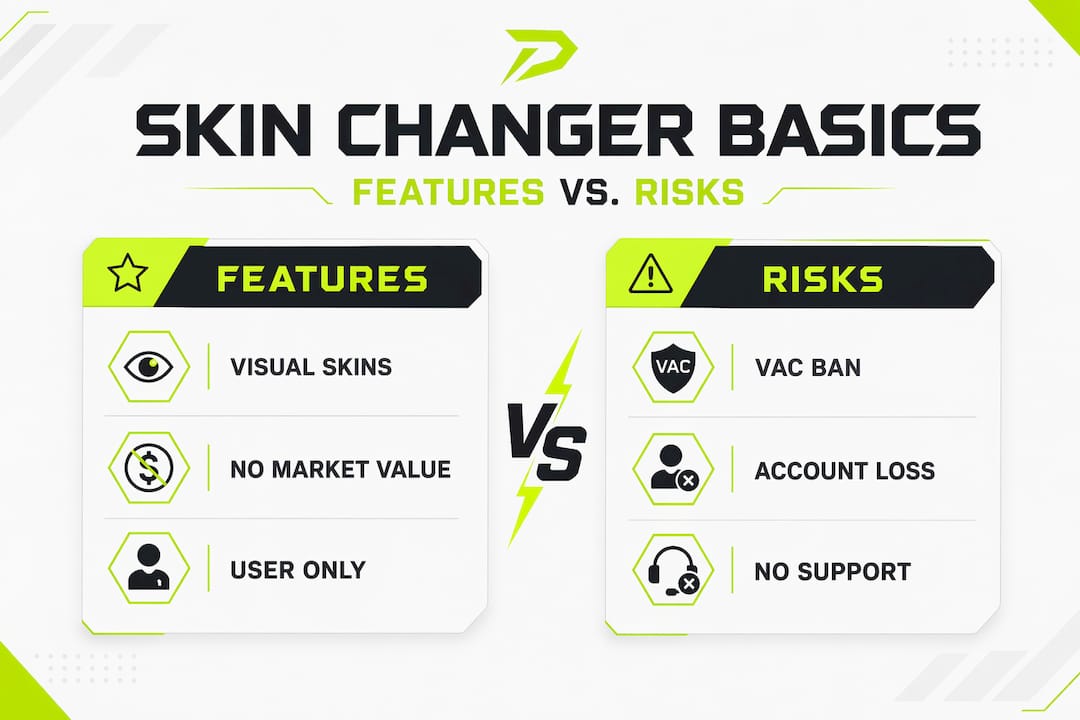
At its core, a skin changer is a third-party software tool that alters the visual appearance of weapons, gloves, and knives within CS:GO or CS2 on your local client. Defining skin changers properly requires understanding one key distinction: they do not actually give you the skin in Valve's system. You see the skin. Nobody else does.
The definition of skin changers gets blurry for a lot of players because the experience on your end looks completely real. You equip what appears to be a Karambit Fade, and it looks perfect in your hand. But the player across the map sees your default knife, because custom skins are visible only to the user, not other players on official servers. That's client-side rendering in action.
How the technology actually works
Modern skin changers have evolved significantly. Early versions worked by swapping out game files directly, which was crude and easy for anti-cheat software to catch. Today's tools take a different approach.
Modern skin changers use external overlay rendering with no DLL injection or game file modifications. Instead, they draw skin visuals over the game using read-only memory access. Think of it like a transparent layer sitting on top of your game window. Because they read memory without writing to it or injecting code, they avoid some of the most common VAC trip wires. Some of the more feature-rich tools in 2026 include options like:
- Weapon skin swapping across all categories
- Knife and glove changers with selectable wear levels
- Sticker placement previews
- StatTrak counter simulation
- Finish style and pattern index selection
Pro Tip: If you're exploring skin changers purely out of curiosity, check out resources like top skin changers 2026 to understand the current landscape before making any decisions about usage.
Understanding what are skin changers at the technical level helps you make a smarter call about whether to use one at all.
Risks and consequences of using skin changers
Here's where things get serious. The skin changers meaning in casual conversation often glosses over the real stakes. Using one on your main CS2 account is a calculated gamble with very bad odds.
Valve's anti-cheat architecture is not a single scanner. VAC detection uses signature scanning, behavioral anomaly detection via VACnet, and Trusted Mode that restricts external app hooks into the game process. Even if a skin changer avoids one layer, it can still trigger another. That's what makes "undetectable" claims misleading at best and actively dangerous at worst.
What a VAC ban actually costs you
People underestimate how far a VAC ban reaches. It's not just a matchmaking suspension. VAC bans disable matchmaking, trading, and Steam Community Market access permanently for the affected account. That means every legitimate skin you've collected, every item you've bought or traded for, becomes locked in an account you can no longer use productively.
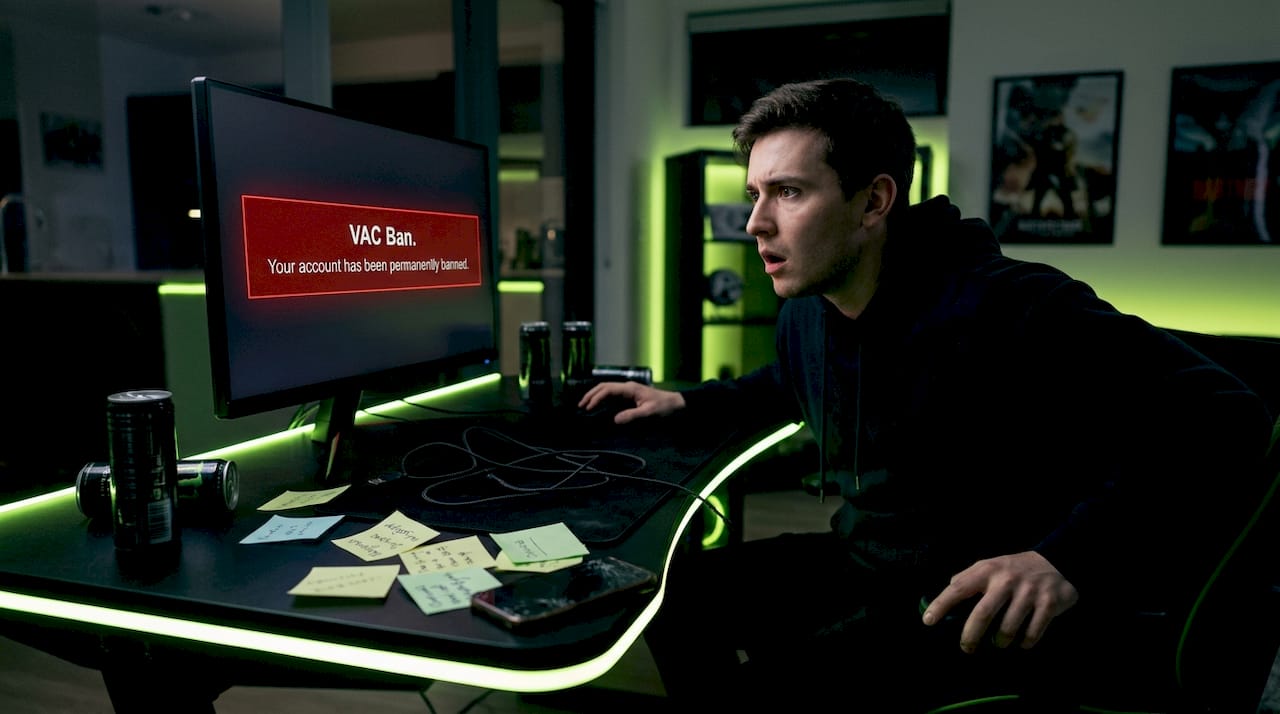
VAC bans are permanent, non-appealable, and apply to the entire game account. Valve does not care how valuable your inventory is. There is no support ticket that reverses this. The ban freezes the monetary value of your skin assets completely.
The comparison table below breaks down the common types of skin changers and where they sit on the detection risk scale:
| Type of skin changer | Method | Detection risk |
|---|---|---|
| File-based changer | Modifies game files directly | Very high |
| DLL injection changer | Injects code into game process | High |
| External overlay (read-only) | Reads memory, draws overlay | Moderate (not zero) |
| Offline/private server only | No live VAC connection | Low (not zero) |
No column in that table says zero risk. That's the honest truth. Using skin changers in CS2 carries a high risk of a permanent VAC ban, regardless of what the tool's developer claims.
Pro Tip: If you absolutely want to experiment with a skin changer, do it in a completely offline environment on a throwaway account. Read how to use skin changers safely before you touch one on any account you care about.
Community and ethical perspectives
The community's view on skin changers is more nuanced than a simple thumbs up or down. Most serious CS2 players land somewhere in the middle, with their opinion depending heavily on how and where the tool gets used.
The private use case gets a pass from many players. If you want to see what a Dragon Lore looks like in your hands during an offline session, few people are going to argue with that. The friction starts when skin changers get used in public matchmaking to fake rare inventory. Community debates frame skin changers as unfair to players who earn or purchase skins legitimately, and that sentiment is widespread among dedicated traders and collectors.
Here's where the ethical divide gets sharp:
- Respect for the economy. CS2 skins have real monetary value. Using a fake version of a skin in public undermines the perceived scarcity that gives legitimate skins their worth.
- Trust in the ecosystem. Players who invest real money in rare skins rely on that investment being respected. Skin changers, when used publicly, erode that trust.
- Developer intent. Valve has consistently built CS2's skin system around ownership and trade. Third-party tools that bypass that system contradict the platform's design philosophy.
- Fair perception. When someone in a lobby appears to have a $2,000 knife, other players may assume it's real. That creates a false social dynamic that many view as deceptive.
The CS2 community consensus discourages using skin changers on main accounts for good reason. The social cost compounds the technical risk.
Safe alternatives for enjoying CS2 skins
You don't have to risk your account to enjoy great-looking gear. The skin market in 2026 has more legitimate options than ever, and some of them are actually fun to engage with.
Here's how to get skins the right way:
- Use official trading platforms. Steam's built-in trade offer system is the safest way to exchange skins with other players. No third-party software, no risk.
- Open CS2 cases. Case openings give you a real chance at rare skins, and the items land directly in your Steam inventory with legitimate ownership.
- Try a skin upgrader. Tools like those at Dropskin let you trade up lower-value skins for a chance at something better. Learn more about how skin upgraders work and whether they fit your playstyle.
- Explore trusted third-party platforms. Not every external site is a risk. Platforms operating within Valve's trade API are generally safe. Check safe skin trading practices for a vetted breakdown.
- Join legitimate giveaways. Dropskin and other community platforms run regular giveaways where you can win real skins without spending anything. Read up on skin giveaway smart moves before jumping in.
Pro Tip: If you're determined to try a skin changer just to preview aesthetics, use it exclusively in offline mode against bots. The moment you connect to a VAC-secured server with skin changer software running, you're at risk.
Safe marketplaces contribute to preserving CS2's economy and competitive integrity by operating transparently within Valve's ecosystem. That matters not just for your account, but for the health of the community you're part of.
My honest take on skin changers in competitive gaming
I've watched the skin changer scene evolve since the early CS:GO days. Back then, file swap tools were clunky, obvious, and got people banned fast. Today's external overlay tools are genuinely sophisticated, and I understand the appeal. The skins in CS2 are some of the best-looking cosmetics in any shooter, and wanting to experience them without paying hundreds of dollars is a human reaction.
But here's what I've actually seen play out over the years: the players who use skin changers on their main accounts almost always regret it. Not because they get banned immediately, but because the anxiety of not knowing when the ban will come poisons the experience. Every update becomes a threat. Every VAC wave is a moment of panic. That's not fun.
My real take is this: the skin changer arms race between developers and Valve's anti-cheat team is one the cheat side will always eventually lose. Valve has more resources, more data, and a financial incentive to protect the skin economy. The layered VAC detection approach gets more sophisticated every year, not less. Betting your account on a tool some developer claims is undetectable is a losing position long-term.
What I actually respect is players who build their inventory the slow way through trading, upgrades, and grinding. That account has history, value, and zero risk of disappearing overnight. Dropskin exists precisely to make that path more accessible and more rewarding.
— Dropskin
Get real skins safely with Dropskin
If this article has convinced you that skin changers carry more risk than reward, you're in the right place. Dropskin offers a genuine alternative that's actually fun.
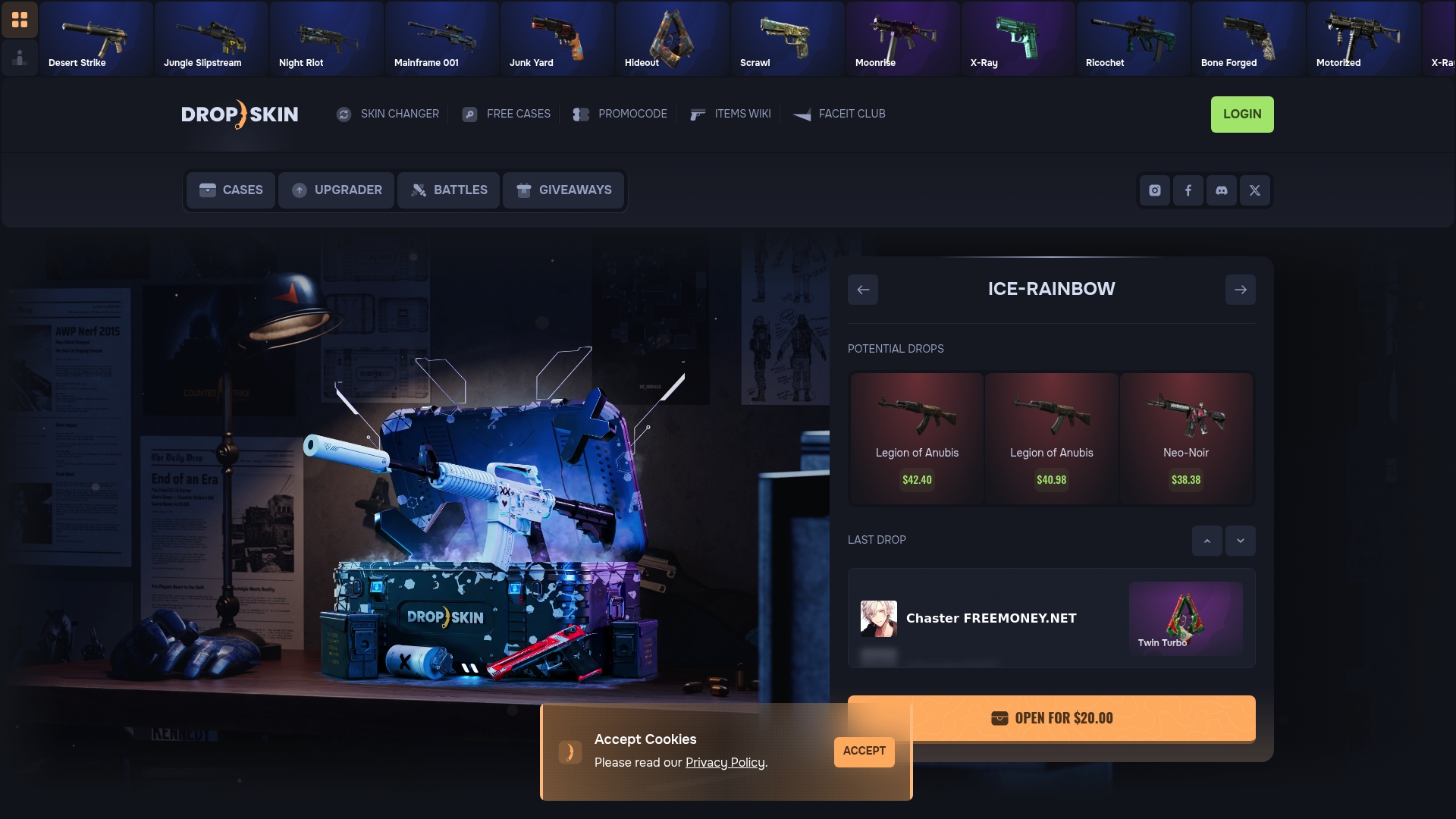
At Dropskin, you can open CS2 cases from an extensive collection, use the skin upgrader tool to trade up your existing skins for something rarer, and participate in community giveaways and promo code drops. Everything operates through secure Steam trade offers within Valve's ecosystem, which means trusted platforms like Dropskin align with Valve's anti-cheat goals and keep your account safe. You get the thrill of chasing premium skins without putting your Steam account at risk. That's the trade worth making.
FAQ
What does skin changer mean in CS2?
A skin changer is a third-party software tool that modifies how weapons, knives, and gloves appear on your local screen in CS2 or CS:GO. The changes are client-side only, meaning other players see your default skins, not the modified ones.
Can you get VAC banned for using a skin changer?
Yes. VAC bans from skin changer use are permanent, account-wide, and block matchmaking, trading, and Steam Market access. No skin changer tool is completely safe on VAC-secured servers.
Do skin changers show custom skins to other players?
No. Custom skins applied through a skin changer are visible only to the user running the software. Other players on official servers see the account's actual default or equipped skins.
What types of skin changers exist?
The main types are file-based changers, DLL injection tools, and modern external overlay changers. External overlay tools carry a lower but still real detection risk compared to the older methods.
What are safe alternatives to skin changers?
Legal options include CS2 case openings, official Steam trading, skin upgrader platforms, and trusted third-party sites operating within Valve's trade API. These give you real skin ownership with no ban risk.