
TL;DR:
- Skin changers are third-party tools that alter weapon skins locally without affecting others' views.
- They provide free skin previews, allow experimentation, and enhance personal expression in gameplay.
- Using skin changers carries account risks, including potential bans, and are against game terms of service.
Skin changers sit at the center of one of the most heated debates in the CS:GO and CS2 community. Thousands of players use them every day, yet most guides treat them like a dirty secret or skip the nuance entirely. The reality is more interesting: skin changers tap into something genuine, the desire to express yourself through your loadout without spending hundreds of dollars on the Steam marketplace. This guide breaks down exactly what skin changers are, why they're so popular, what risks you're actually taking on, and how to make smarter decisions about your skin collection going forward.
Table of Contents
- What are skin changers and why do gamers use them?
- Core benefits: Customization, creativity, and personal value
- Risks and controversies: Account safety, fair play, and the community debate
- When and how to use skin changers safely in CS2 and CS:GO
- A fresh take: Why the debate over skin changers misses the point
- Enhance your skin collection safely with DROP.SKIN
- Frequently asked questions
Key Takeaways
| Point | Details |
|---|---|
| Skin changers personalize play | They let you customize and preview skins for fun and creative expression. |
| Risks include bans | Using third-party skin changers may violate game terms and risk your account. |
| No gameplay advantage | Skin changers only affect visuals without impacting stats or competition. |
| Safer alternatives exist | Case openings and official sites offer legitimate ways to expand your skin collection. |
What are skin changers and why do gamers use them?
A skin changer is a third-party software tool that modifies how weapon skins appear on your screen in CS:GO or CS2. Importantly, the change is client-side only, meaning other players in the match still see your default or actual inventory skins. You're essentially running a visual override on your own machine. No files are uploaded to Valve's servers, and no one else's game is affected.
So why do players bother? The motivations are more varied than most people assume:
- Cost-free experimentation: Rare skins like the Karambit Doppler or AWP Dragon Lore can cost thousands of dollars. A skin changer lets you see how they look in your hands without spending a cent.
- Personal expression: For many players, collecting digital skins is about identity, not investment. A skin changer extends that identity without market barriers.
- Preview before purchase: Some players use them as a try-before-you-buy tool, testing how a skin looks in actual gameplay before committing real money.
- Offline creativity: Experimenting in private lobbies or offline modes with dream loadouts is a low-stakes way to enjoy skin culture in CS2 and CS:GO.
The community is divided, but proponents see it as harmless personal customization and a preview tool rather than a cheat. The appeal is understandable: not every player has the budget to build a premium inventory, but everyone wants to feel good about how their loadout looks. Community discussions confirm that
over economic value, which tells you a lot about what players actually want from their skins.Skin changers are fundamentally different from owning collectible skins. A real skin lives in your Steam inventory, holds market value, and can be traded or sold. A skin changer creates a temporary visual experience that disappears when you close the software. If you want to learn more about setting one up, check out this guide on custom CS2 skins.
Pro Tip: Always research the legitimacy and restrictions of any third-party tool before downloading. Stick to community-vetted sources and read user reviews carefully.
Core benefits: Customization, creativity, and personal value
Visual customization is not a shallow concern in competitive gaming. Studies on player engagement consistently show that personalization increases how invested players feel in a game. When your AK-47 looks exactly how you want it, you're more likely to enjoy the match, practice longer, and stay engaged with the game overall. That's the real value of digital skins, and skin changers deliver it at zero cost.
Here's what makes them genuinely appealing for creative players:
- Access to unattainable skins: StatTrak Factory New versions of top-tier knives are realistically out of reach for most players. Skin changers remove that financial wall.
- Experimenting with aesthetics: You can cycle through dozens of looks in a single session, something impossible through normal trading without massive costs.
- Matching loadout themes: Players who care about CS2 and CS:GO skin culture often want a cohesive visual theme across all their weapons. Skin changers make that achievable.
- Low-pressure creativity: No trade-offs, no market timing, no regret after a bad trade. Just pure visual experimentation.
"The fun of seeing a Dragon Lore in your hands during a match, even if only you can see it, is real. It changes how you feel about playing. That matters."
This sentiment captures something the economic debate around skins often ignores. Not every player is building a portfolio. Many just want to enjoy the game on their own terms. Community insight confirms that this personal fun factor is the primary driver behind skin changer popularity.
For collectors who are thinking about a real purchase, skin changers also serve a practical role. Using skin customization tools to preview a skin in live gameplay gives you far better information than a static screenshot on the marketplace.
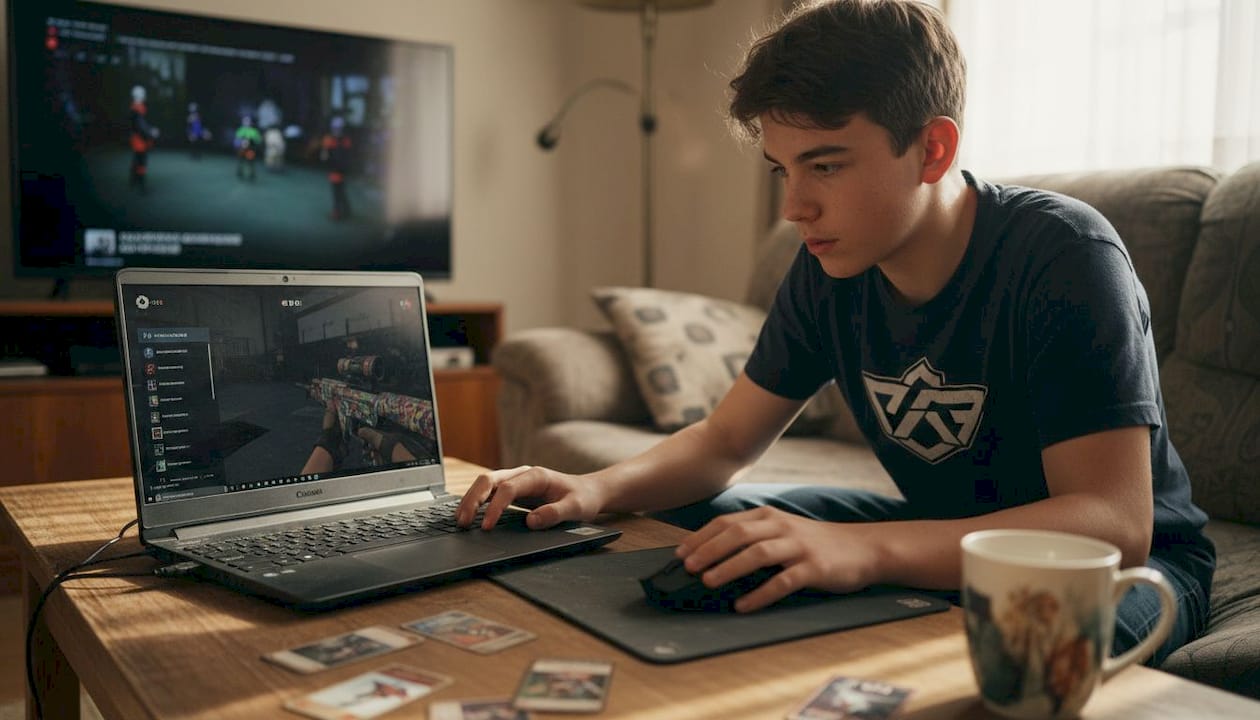
Pro Tip: Before spending big on a trade or case opening, use a skin changer in an offline match to see exactly how the skin looks at different viewing angles and lighting conditions.
Risks and controversies: Account safety, fair play, and the community debate
Creativity is a major draw, but there's another side worth taking seriously. Skin changers carry real risks, and the community debate around them is more complex than a simple pro-versus-con split.
The most immediate risk is your account. Valve's anti-cheat system, VAC, and their broader enforcement policies treat unauthorized third-party software seriously. Even though skin changers provide no competitive advantage, they still interact with game memory in ways that can trigger detection systems. Critics argue they undermine the trading economy and risk accounts, which is a concern worth taking at face value.
| Factor | Skin changers | Official skins |
|---|---|---|
| Account risk | High (possible VAC ban) | None |
| Cost | Free | Market price |
| Trade value | None | Real market value |
| Visibility to others | Client-side only | Visible to all |
| Legitimacy | Against ToS | Fully supported |
Beyond account safety, there's the trust issue in trading and betting. If someone uses a skin changer during a trade negotiation to misrepresent their inventory, that crosses from personal fun into deception. This is where skin impact in CS2 trading becomes a real concern. Betting platforms and third-party skin sites verify actual inventory, so skin changers don't work there, but the perception of dishonesty still damages community trust.
The ethical dilemmas players debate most often include:
- Is it fair to enjoy premium skins without supporting the economy that funds skin creators and traders?
- Does widespread use devalue the effort players put into building legitimate inventories?
- Should Valve provide official skin preview tools to reduce the demand for third-party changers?
No major ban waves have been publicly documented, but caution is absolutely advised. The role of skins in the gambling economy means that anything undermining skin scarcity or perceived value has ripple effects across the whole ecosystem.
When and how to use skin changers safely in CS2 and CS:GO
If you decide to explore skin changers, doing it smartly is the difference between a fun experiment and a lost account. Here's a practical approach:
- Use offline or private modes only. The safest context for a skin changer is a local bot match or a private server where VAC is not active. This eliminates most ban risk.
- Research the tool thoroughly. Look for community-vetted options with active user forums, recent updates, and transparent developers. Avoid anything that requires disabling your antivirus.
- Never use your main account. Create a secondary Steam account specifically for experimentation. This protects your primary inventory and rank from any enforcement action.
- Check policies regularly. Valve updates its terms and detection systems frequently. What's tolerated today may trigger a ban tomorrow. Stay current by following trends in skin trading 2026.
- Treat it as a preview tool, not a replacement. The real value of using a skin changer is informing future legitimate purchases, not permanently avoiding the market.
| Feature | Official skins | Skin changers |
|---|---|---|
| Legality | Fully legal | Against ToS |
| Customization range | Limited to owned skins | Any skin in the game |
| Risk level | Zero | Moderate to high |
| Community value | Tradeable and real | No economic value |
Community sources note that no confirmed benchmarks on ban prevalence exist, which means the risk is real but inconsistently enforced. That inconsistency is not a green light. It means you're gambling with your account on Valve's discretion.
Pro Tip: Maintain a separate Steam account if you want to experiment with third-party tools. Never risk your main inventory on software that violates the terms of service.
A fresh take: Why the debate over skin changers misses the point
Here's what most of the skin changer conversation gets wrong: it focuses almost entirely on economics and enforcement, while ignoring the signal that widespread use sends. When tens of thousands of players turn to third-party tools just to see how their weapons look, that's not a cheating problem. That's a product gap.
Valve offers no official skin preview system in live matches. You can inspect skins in your inventory, but seeing how a knife actually feels in a real round is a completely different experience. Players want that, and the market hasn't provided it. Skin changers fill that gap because nothing legitimate does.
The debate about whether skin changers are ethical misses a bigger question: why hasn't the industry built better tools for player creativity? No stat advantage is conferred by skin changers, so the conflict is entirely cultural and economic, not competitive. That tells us the real issue is about who controls the skin experience and who profits from it.
If skins drive engagement in esports, then giving players more creative freedom with those skins should be a priority, not a threat. The underground popularity of skin changers is actually an argument for more open, official customization systems, not stricter enforcement.
Enhance your skin collection safely with DROP.SKIN
If the appeal of skin changers is really about seeing amazing skins in your hands, there's a smarter path that doesn't put your account at risk. At DROP.SKIN, you can actually own the skins you want through case openings, upgrades, and skin battles.
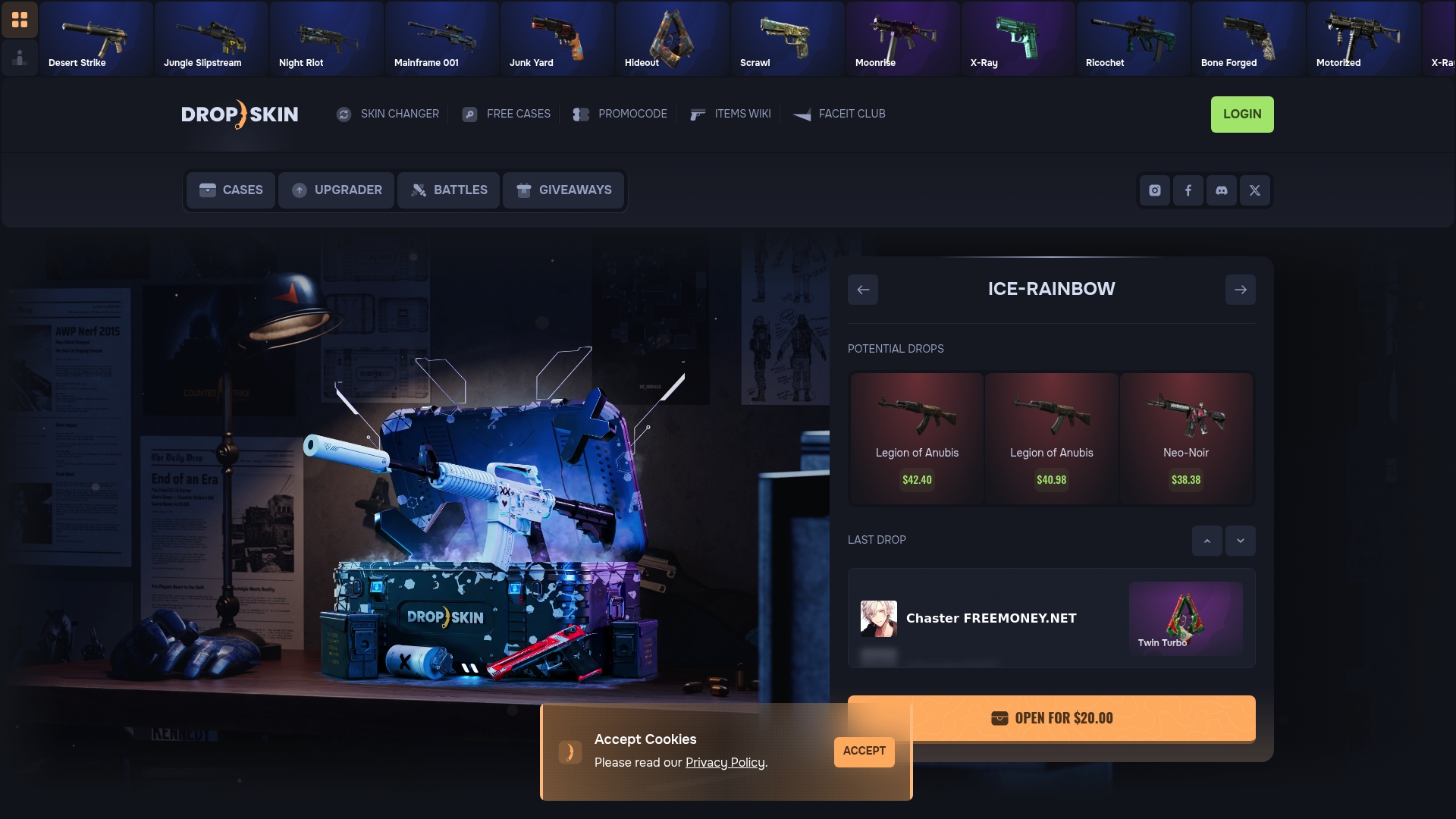
Instead of a client-side illusion, you build a real inventory with tradeable value. Try your luck with CS2 case opening to land rare skins at a fraction of marketplace prices, or use the upgrade your CS2 skins feature to turn cheaper skins into something worth showing off. Every skin you earn is yours to keep, trade, or battle with. That's the kind of customization that actually means something.
Frequently asked questions
Are skin changers allowed in CS2 and CS:GO?
No, using skin changers violates most game terms of service, and accounts risk bans even though no stat advantage is gained.
Do skin changers give any competitive advantage?
No, skin changers are purely cosmetic. No stat advantage is conferred, and they have zero impact on gameplay outcomes.
What's the main risk when trying a skin changer?
The biggest risk is a VAC or game ban, which can affect your inventory value, account standing, and access to online play. Accounts risk bans regardless of intent.
Is there a safe alternative to skin changers?
Yes. Using trusted platforms for case openings, skin upgrades, and trading gives you real ownership of premium skins without any account risk or terms of service violations.
Recommended
- Why esports use skins: boost engagement and trade value
- 7 Key Trends in Skin Trading 2026 for Pro CS Gamers
- Why upgrade cheap skins: boost value & gameplay 200% in 2026
- Why Collect Digital Skins: Gaming Value and Impact
- Top benefits of peptides for skin in 2026 – Cellure
- Skin analysis: The key to radiant, effective results - The Aesthetics Room