TL;DR:
- Understanding CS2 skin patterns reveals that procedural seed values determine rarity, price, and visual uniqueness. Rarity tiers, like Blue Gems, greatly influence market value, making pattern verification essential for savvy trading. Using external tools for seed and tier checks enhances collection strategy, while pattern knowledge fosters social recognition and investment insight.
Most players glance at a skin and think "looks cool" or "looks boring." That snap judgment is costing them real money. The importance of skin patterns in CS2 goes far deeper than surface aesthetics. Pattern seeds, tier classifications, and procedural generation algorithms determine whether a skin sells for $10 or $10,000. If you trade, collect, or simply take pride in how your loadout looks, understanding how patterns actually work changes everything about how you approach the market.
Table of Contents
- Key takeaways
- The importance of skin patterns in CS2
- Biological patterns and digital skins: surprising parallels
- How rarity shapes value and player identity
- Tools for skin pattern analysis
- Building a smarter skin collection
- My honest take on pattern knowledge
- Explore skin patterns on Dropskin
- FAQ
Key takeaways
| Point | Details |
|---|---|
| Patterns aren't random | Seed values control every skin's texture placement, color distribution, and rarity tier. |
| Rarity directly drives price | Rare pattern tiers like Blue Gems can command thousands more than common variants of the same skin. |
| Objective tools beat gut feeling | Pattern checkers and seed ID databases give you data that in-game previews simply cannot. |
| Wear tells a story | Float values shape perceived quality, just like environmental factors change real-world skin appearance over time. |
| Pattern knowledge builds identity | Collectors who understand tiers build more valuable, more cohesive inventories with a clear strategic edge. |
The importance of skin patterns in CS2
Every skin in CS2 is built from a procedural generation system that assigns each dropped item a pattern seed, a number typically ranging across 1,000 possible values. That seed controls exactly where a texture gets mapped onto the weapon model, which colors land in which spots, and how much of a key visual element covers the surface. 1,000+ seed variations mean no two skins are mathematically identical, which is the entire foundation of pattern rarity.
The clearest example is the AK-47 Case Hardened. The skin uses a blue, purple, and gold flame texture, and which colors dominate the visible side of the weapon depends entirely on the seed. A seed that pushes deep blue coverage across the top of the receiver is called a Blue Gem. That same skin with mostly gold coverage might sell for $5. The same float value, same condition, different seed. Different world.
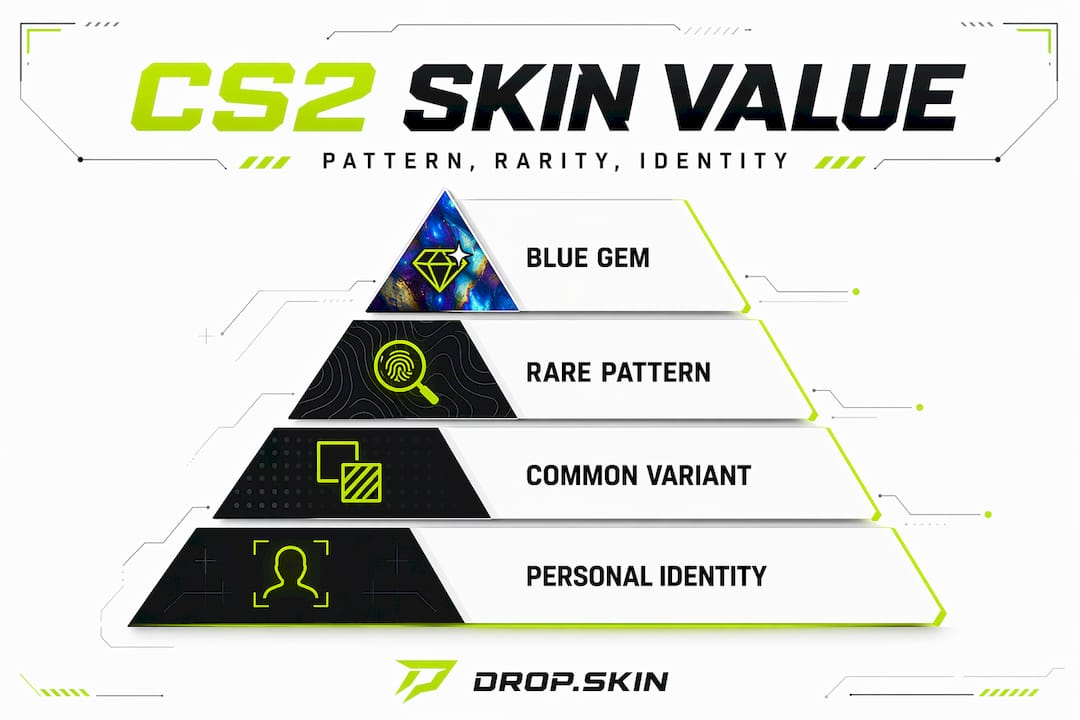
Here is how skin tiers typically break down:
- Tier 1: Maximum coverage of the desired color or pattern element. Extremely rare, highest market value.
- Tier 2: Strong coverage with minor interruptions. Still highly sought after, commands premium pricing.
- Tier 3: Average or mixed coverage. Represents the bulk of the market at standard prices.
- Common variants: Low or no desirable coverage. Priced at or near baseline.
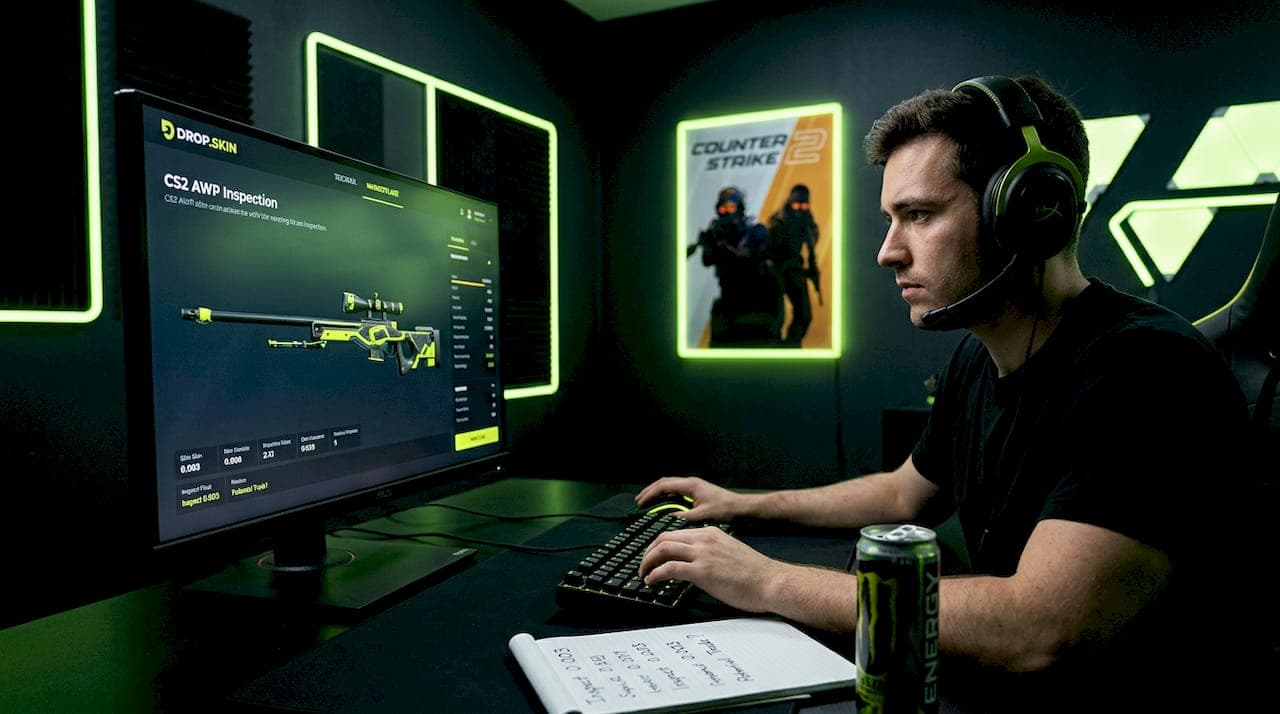
Pro Tip: Before you buy a Case Hardened or any pattern-dependent skin, always check the seed number through a pattern verification tool. The in-game inspect view will not tell you the tier. You need external data to make that call.
Biological patterns and digital skins: surprising parallels
Understanding why procedural generation produces such complex and unique results gets a lot more intuitive when you look at how nature does the same thing. Biological pattern formation relies on reaction-diffusion systems, where two chemical signals move at different speeds. The faster signal activates pigment production; the slower one suppresses it. Simple rules, wildly complex outputs. A cheetah's spots and a zebra's stripes both emerge from the same underlying mathematics.
CS2 skin generation works on a comparable logic. Simple algorithmic rules applied to a texture atlas, combined with a seed value, produce outputs that feel hand-painted and organic. The math is doing what chemistry does in biology: creating the appearance of natural complexity from a ruleset that fits on a page.
| Feature | Biological skin | CS2 digital skin |
|---|---|---|
| Pattern source | Reaction-diffusion chemistry | Procedural seed algorithm |
| Uniqueness mechanism | Genetic variation | Seed value (0 to 999) |
| Appearance change over time | Environmental factors cause visible shifts | Float value and lighting alter final look |
| Rarity driver | Genetic mutation frequency | Tier coverage percentage |
| Value in society | Camouflage or mate attraction | Prestige and market price |
"Just as biological patterns evolved distinct functions for survival and recognition, rare gaming skin patterns create differentiation and identity within esports culture — rarity signals status whether on a cheetah or an AK-47."
This parallel runs deeper than aesthetics. Environmental factors drive 80 to 90 percent of visible changes in real skin appearance. In CS2, the equivalent is the float value and in-game lighting. The base pattern seed is fixed at drop, but how it appears in different map environments and at different wear levels shapes the player's actual experience of that skin. A Battle Scarred Blue Gem still has an elite seed. What changes is the story the skin tells visually.
How rarity shapes value and player identity
The significance of skin patterns becomes most obvious when you follow the money. A standard AK-47 Case Hardened in Factory New condition might trade for $15 to $25. A Tier 1 Blue Gem in the same condition has sold for well over $100,000. Same weapon. Same condition. The entire difference is the pattern seed and the coverage percentage it produces.
How the valuation actually works in practice:
- Identify the seed. Use a third-party pattern tool to find the numerical seed attached to the skin.
- Map it to a tier database. Community-maintained databases classify seeds by the proportion of desirable color coverage they produce.
- Cross-reference the float. A Tier 1 pattern with a 0.001 float is worth more than the same pattern at 0.06. Wear still matters on top of pattern.
- Check market comparables. Recent sales data on trading platforms shows what buyers actually paid for similar tier and float combinations.
- Factor in the narrative. Collector skins with documented ownership history among known players carry a premium beyond the pure data score.
Pro Tip: Do not rely on screenshots when valuing a rare skin. Always pull the inspect link yourself and run it through a trusted pattern checker. Screenshots can be manipulated, and misrepresented tier claims are one of the most common scam vectors in high-value skin trading.
Rare patterns like Blue Gems can push prices thousands of dollars above common variants. That is not collector sentiment. That is a structured, data-driven market where pattern tier is the primary variable. Knowing where any skin sits in that hierarchy is the difference between overpaying and identifying an undervalued pickup.

Beyond money, patterns shape player identity. Your inventory is visible to teammates and opponents. A Tier 1 Blue Gem signals not just wealth but knowledge. The community understands that pulling one from a case is extraordinarily lucky, and buying one deliberately signals you understand the market deeply. That social dimension is real currency in competitive gaming culture.
Tools for skin pattern analysis
Objective data metrics such as seed IDs, float values, and tier rankings consistently outperform subjective aesthetic judgments when it comes to accurate skin valuation. The tools that deliver those metrics are not complicated to use, but knowing which ones to trust matters.
Here are the resources serious pattern collectors rely on:
- Pattern checkers (e.g., isitabluegem.com): Input a skin's inspect link and get the seed ID along with its tier classification for Case Hardened and other pattern-dependent skins. Seed IDs and tier data via third-party tools are the only reliable way to classify a skin accurately.
- Community tier databases: Maintained by experienced collectors, these spreadsheets and websites document every seed across popular pattern skins, ranking them from Tier 1 down to common.
- Float value checkers: Standalone tools read the exact float value from an inspect link, giving you a precise wear measurement rather than the generalized condition label shown in-game.
- Market price trackers: Aggregator sites compile recent transaction history across multiple platforms, letting you correlate specific tier and float combinations to actual sale prices.
The critical point here is that in-game previews are built for aesthetics, not analysis. They compress information and cannot tell you seed values or float precision. If you are spending more than $50 on any pattern-sensitive skin, third-party verification is not optional. Pattern checkers and community databases exist specifically because in-game tools are not designed for the level of detail serious collectors need.
Pro Tip: Bookmark at least one reliable float checker and one tier database before your next significant trade. Running a 30-second check on a skin's inspect link before committing to a deal has saved collectors thousands of dollars.
Building a smarter skin collection
Understanding pattern rarity transforms collecting from a passive hobby into a strategic practice. Here is how to apply that knowledge to grow a collection that holds or increases in value over time:
- Prioritize pattern-dependent skins. Not every skin has meaningful pattern variation. Case Hardened, Fade, and Marble Fade are pattern-sensitive. Knowing which skins reward pattern knowledge helps you focus your research time.
- Curate for visual cohesion. Beyond individual value, collections with a consistent aesthetic tell a story. A full loadout built around blue or gold tones, sourced from pattern knowledge, looks intentional and commands respect in community showcases.
- Use float and pattern data together. The best pickups combine a strong pattern tier with a low float. Searching for that combination specifically in the market often surfaces underpriced skins listed by sellers who did not check the seed.
- Plan upgrades with pattern awareness. If you are looking to upgrade a skin, knowing the tier of what you currently hold helps you identify fair trades and avoid accepting common-tier replacements for your mid-tier asset.
Digital skins carry a visual history through float values in the same way biological skin reflects aging and lived experience. A Factory New skin with Tier 1 pattern coverage is pristine and rare. A Battle Scarred version of the same seed has character, a different kind of appeal, and its own collector market. Both have legitimate value. The point is knowing which market you are playing in.
My honest take on pattern knowledge
I have watched countless traders dismiss pattern research as "too complicated" and then lose money on mispriced skins repeatedly. From where I stand, the real barrier is not complexity. It is the mistaken belief that gaming skins are purely cosmetic and therefore do not warrant serious analysis.
What I have learned from tracking rare patterns over time is that the procedural uniqueness baked into CS2 skins is genuinely compelling. The fact that a math function applied to a texture atlas can produce something as visually striking and rare as a full Blue Gem AK-47 is not just cool. It means the value is defensible. The rarity is not manufactured hype. It is mathematically real.
The biggest misconception I see is people confusing aesthetic preference with pattern tier value. "It looks blue enough to me" is not analysis. Tier rankings exist because the community did the work to establish objective criteria. Ignoring those criteria when trading is leaving money on the table, or worse, paying a premium for something that does not warrant one. Pattern knowledge is not gatekeeping. It is just doing your homework.
— DROPSKIN
Explore skin patterns on Dropskin
Ready to put pattern knowledge into practice? Dropskin is built for exactly this. Whether you want to open CS2 cases hunting for rare pattern tiers, upgrade an existing skin to a higher rarity, or explore a catalog stacked with pattern-sensitive options, the platform has you covered.
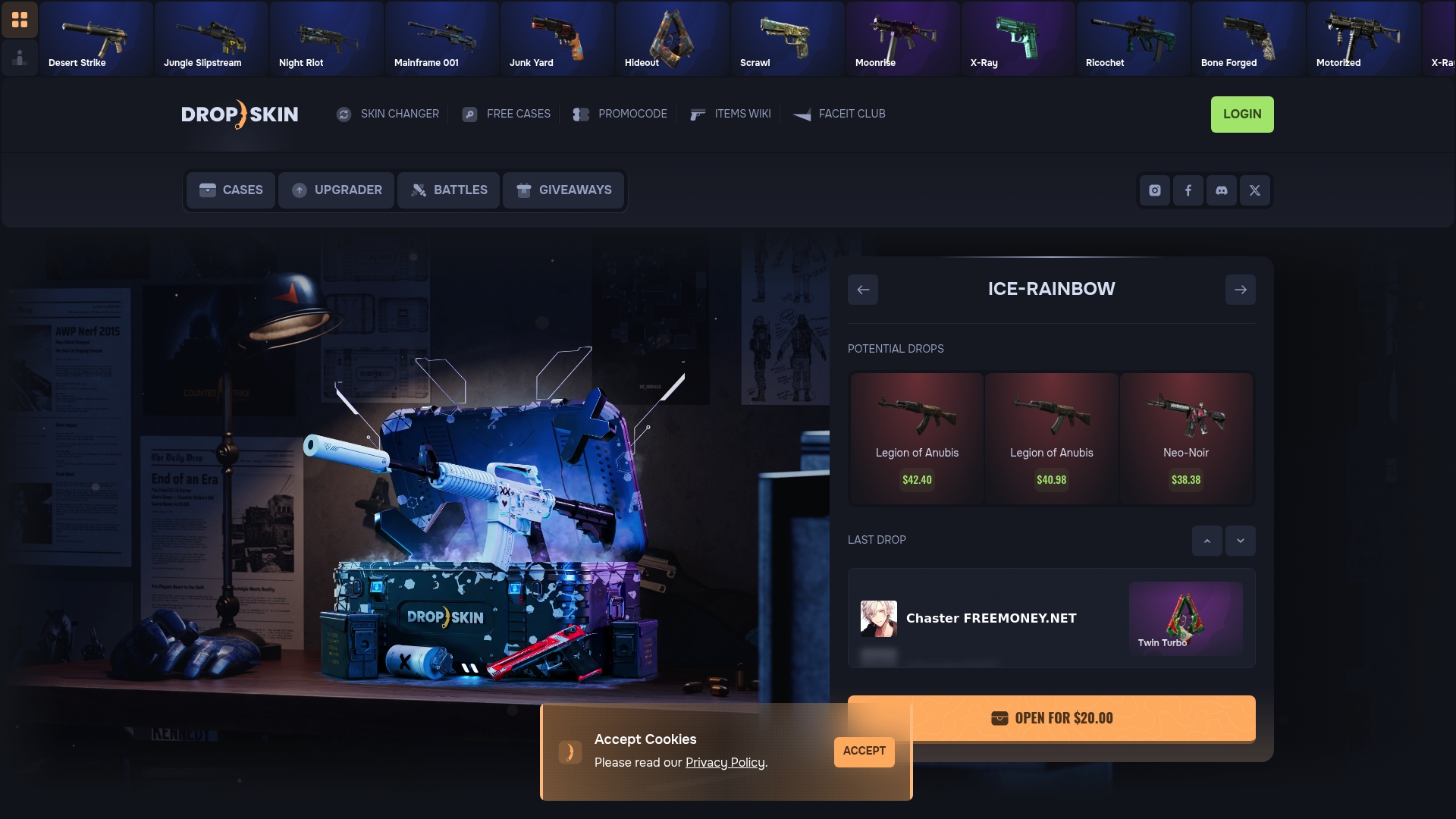
Open CS2 cases and access Dropskin's skin upgrader to apply everything you have learned about pattern tiers directly to your inventory. The platform integrates rarity context into its skin catalog, making it easier to spot value and trade with confidence. Use the skin upgrader tool to push your current skins toward higher-tier pattern variants without starting from scratch. Dropskin gives you the tools and the inventory to build a collection that reflects real pattern intelligence.
FAQ
What determines a skin's pattern in CS2?
Every CS2 skin is assigned a pattern seed at drop, a numerical value that controls texture placement, color distribution, and coverage. Skin pattern uniqueness is mathematically determined, with over 1,000 possible seed variations per skin.
Why do some skin patterns cost so much more than others?
Pattern tier directly determines market value. Rare patterns like Blue Gems can command prices thousands of dollars above common variants of the identical skin at the same float value.
How do I check what pattern tier a skin has?
Use a third-party pattern checker tool with the skin's inspect link. In-game previews do not display seed IDs, making external tools necessary for accurate tier classification and trade valuation.
Does float value affect pattern appearance?
Yes. The base pattern seed is fixed, but the float value and in-game lighting substantially alter how the pattern appears visually. A Factory New skin shows the pattern cleanly; a Battle Scarred version of the same seed adds visible wear and a different visual character.
Can I use pattern knowledge to avoid scams?
Absolutely. Pattern checkers and tier databases allow you to verify a skin's actual classification independently, protecting you from sellers who misrepresent a common-tier pattern as a rare one in high-value trades.