TL;DR:
- Third-party skin marketplaces offer lower prices, faster trades, and real cash withdrawal options.
- They provide advanced tools like trading bots, real-time analytics, and market trend data for serious traders.
- Security features and community reputation systems help reduce scams and ensure safer trading experiences.
Finding the right place to trade your CS:GO and CS2 skins is not just a convenience issue — it's a financial one. With hundreds of skins changing hands daily and the overall CS2 skin market valued at billions of dollars, the platform you choose directly affects how much you earn, how fast you trade, and how safe your inventory stays. Steam's built-in marketplace is the obvious default, but it's not always the best option. Third-party skin marketplaces have matured into powerful alternatives with features Steam simply doesn't offer. This article breaks down the top advantages of using dedicated skin marketplaces so you can make smarter trading decisions.
Table of Contents
- Lower prices and better value for your skins
- Liquidity, speed, and flexibility in trading
- Security and risk mitigation for traders
- Advanced features: trading bots, market analytics, and more
- Our take: What most gamers miss about skin marketplaces
- Take your CS2 and CS:GO trading further with DROP.SKIN
- Frequently asked questions
Key Takeaways
| Point | Details |
|---|---|
| Lower prices | Skin marketplaces generally offer 7-30% lower prices compared to Steam, giving you more for your money. |
| Greater trading flexibility | Marketplaces provide faster trades, more options, and flexible payment methods for both buyers and sellers. |
| Enhanced safety features | Reputable platforms use reputation systems and security tools to protect you from common scams. |
| Advanced trading tools | Features like trading bots and AI analytics let you maximize your returns and streamline your skin trading. |
Lower prices and better value for your skins
Let's start by looking at what matters most to many traders: price and value.
When you buy or sell skins on Steam, you're working within a closed economy. Steam takes a 15% cut from every sale (5% base fee plus a 10% game fee), and the funds you receive can only be spent back on Steam. That's a hard limit on your money's usefulness. Third-party platforms operate differently, keeping fees lower and giving you real withdrawal options.
Buyers can save significantly because skins are priced 7-30% cheaper on third-party marketplaces compared to Steam due to lower fees. On popular skins like the AK-47 Redline or the Glock-18 Fade, that gap can translate to real dollar savings, especially if you're buying multiple items.
Here's a quick side-by-side of what that looks like in practice:
| Skin | Steam price (est.) | Third-party price (est.) | Estimated savings |
|---|---|---|---|
| AK-47 Redline (FT) | $18.50 | $14.20 | ~23% |
| Glock-18 Fade (FN) | $210.00 | $172.00 | ~18% |
| AWP Dragon Lore (FT) | $1,950.00 | $1,560.00 | ~20% |
| M4A4 Howl (MW) | $3,200.00 | $2,700.00 | ~16% |
Those savings stack up fast. On the seller side, lower platform fees mean you keep more of every sale. Some third-party skin sites charge as little as 3-6% in fees, compared to Steam's fixed 15%.
Beyond raw price, quality marketplaces add features that drive genuine value:
- Real-money withdrawals via PayPal, crypto, or bank transfer
- Instant sell prices that don't require waiting for a buyer
- Price comparison tools built directly into the platform
- Condition filters (Factory New, Minimal Wear, etc.) with granular float value search
- Bulk trading options for flipping multiple skins at once
If you want to see which platforms consistently offer these advantages, check out the top CS2 trading platforms that traders actually trust in 2026.
Pro Tip: Before listing or buying any skin, pull up at least two or three marketplaces and compare current ask prices. Even a 5-minute check can save you 10-15% on a single transaction. Sites like best skincs2.com alternatives cover platforms worth including in your regular rotation.
Liquidity, speed, and flexibility in trading
Beyond price advantages, marketplace speed and flexibility can also make or break your trading experience.

Liquidity, in simple terms, means how quickly and easily you can convert a skin into cash or another item you actually want. Steam has a liquidity problem. Your sale proceeds are locked as Steam Wallet funds, usable only within Valve's ecosystem. If you want to cash out your trading profits, you're stuck.
The CS2 skin market is valued at $4.1 billion as of February 2025, which reflects just how serious this trading economy has become. That volume demands platforms that can move fast.
Third-party platforms solve the liquidity problem in a few key ways:
- Instant sell bots that buy your skin immediately at a set price
- Multiple payout methods including crypto, PayPal, Skrill, and gift cards
- P2P listings with faster buyer matching than Steam's queue system
- Trade-up offers that let you bundle low-value skins into higher-tier items
- Mobile-friendly interfaces so you can trade during a match break, not just at your desk
Here's how the trading experience compares across platforms:
| Factor | Steam marketplace | Third-party marketplace |
|---|---|---|
| Sale proceeds | Steam Wallet only | Real cash or crypto |
| Trade speed | Hours to days | Minutes to instant |
| Deposit options | Steam Wallet | Credit card, crypto, PayPal |
| Withdrawal options | None (locked in) | Multiple real-money options |
| Float value search | Basic | Advanced, granular |
For casual players, that instant sell option alone is worth switching platforms. For serious traders, the flexibility to reinvest profits outside Steam opens up entirely new strategies. If you want to understand why value of digital skins keeps growing, the liquidity factor is a big part of the story.
Want to act on that value right now? You can trade and exchange skins directly on DROP.SKIN using a fast, bot-powered system built for speed.
Security and risk mitigation for traders
Even with great deals and speed, safety can't be overlooked.
Skin trading has a real dark side. Scammers are active, phishing sites mimic legitimate platforms, and casual P2P (peer-to-peer) trades over Discord carry serious risk. In fact, Discord P2P trades carry an 89% scam rate, making informal channels one of the most dangerous places to move valuable skins.
Reputable marketplaces have built systems specifically to fight these risks:
- Automated escrow holds skins until both sides of a trade are confirmed
- Reputation and review systems so you can vet sellers before committing
- Two-factor authentication (2FA) required at login and withdrawal
- Dedicated anti-fraud teams that review disputes and flag suspicious accounts
- API key alerts that notify you of unauthorized access attempts
Pro Tip: Never share your Steam API key with a third-party site unless you've verified its legitimacy through trusted community reviews. A compromised API key can give scammers full visibility into your trade offers.
"Reputable sites like Skinport hold 4.9/5 trust ratings for good reason. Using verified platforms combined with Steam Guard is the single most effective way to protect your inventory."
The impact of skin collectibles on the trading ecosystem means high-value inventories are constant targets. The more your collection is worth, the more important your platform choice becomes. A site with a long track record, public reviews, and transparent dispute resolution is not just convenient, it's essential protection.
Advanced features: trading bots, market analytics, and more
Next, let's explore what sets advanced marketplaces apart: powerful features built for serious traders.
Steam's marketplace is functional but basic. It shows you a price graph and a list of active listings. That's about it. Third-party platforms have invested heavily in tools that help traders actually win, not just participate.
Here are the standout advanced features you'll find on top platforms:
- Trading bots for instant offers. Bots scan your inventory, make immediate offers, and execute trades in seconds. No waiting for a human buyer to show up.
- Real-time price tracking. Live feeds show you exactly what a skin is selling for right now across multiple marketplaces, not just historical averages.
- Float value filters. Serious collectors know that a 0.001 float AK-47 is worth far more than a 0.07 float version of the same skin. Advanced filters let you find those gems.
- AI-powered trading algorithms. AI trading has achieved 20% ROI in 6-month simulations versus just 5-10% for standard buy-and-hold strategies. Some platforms are already integrating these tools.
- Price history and trend data. See how a skin performed over the last 30, 90, or 365 days before committing to a purchase.
- Market alerts. Set a target price and get notified the moment a skin drops into your range.
Understanding skin trading trends going into 2026 is critical if you want to stay ahead. The traders who win consistently are not just lucky, they're using better tools and acting on better data. If you want to understand what drives skin value beyond surface-level rarity, analytics are your best friend.
Esports events also create sharp price spikes on team-specific skins. Knowing how esports skins trade value moves around tournament seasons gives you a real timing advantage.
Our take: What most gamers miss about skin marketplaces
Beyond these features, it pays to know what lies beneath the surface of skin marketplaces.
Most guides focus on fees and speed. Those matter, but experienced traders know the bigger picture is messier and more interesting. Chasing the lowest price without checking platform reputation is how people lose $500 skins to a phishing clone. The cheapest option is rarely the safest option, and in skin trading, safety has a real dollar value.
There's also a cultural element that gets ignored. The best marketplaces aren't just transaction engines, they're communities. Leaderboards, giveaways, upgrade challenges, and battle features make trading genuinely fun. That entertainment layer keeps you engaged and sharpens your instincts over time.
New traders often fall into the psychological trap of over-trading. Every transaction has a fee, and frequent small trades erode your portfolio faster than you'd expect. The smartest move is often to hold, not sell.
Before chasing every new platform, study the skin gambling trends and strategies that experienced players use. Knowing when to try a new site and when to stick with a proven one is a skill that takes time to develop, but it's worth every lesson.
Take your CS2 and CS:GO trading further with DROP.SKIN
If you're ready to put these marketplace advantages to work, here's how you can get started.
DROP.SKIN brings together the best of skin trading and entertainment in one place. Whether you want to open cases, upgrade your skins from cheap to premium, or battle other players for their inventories, the platform is built to give you every advantage covered in this article.
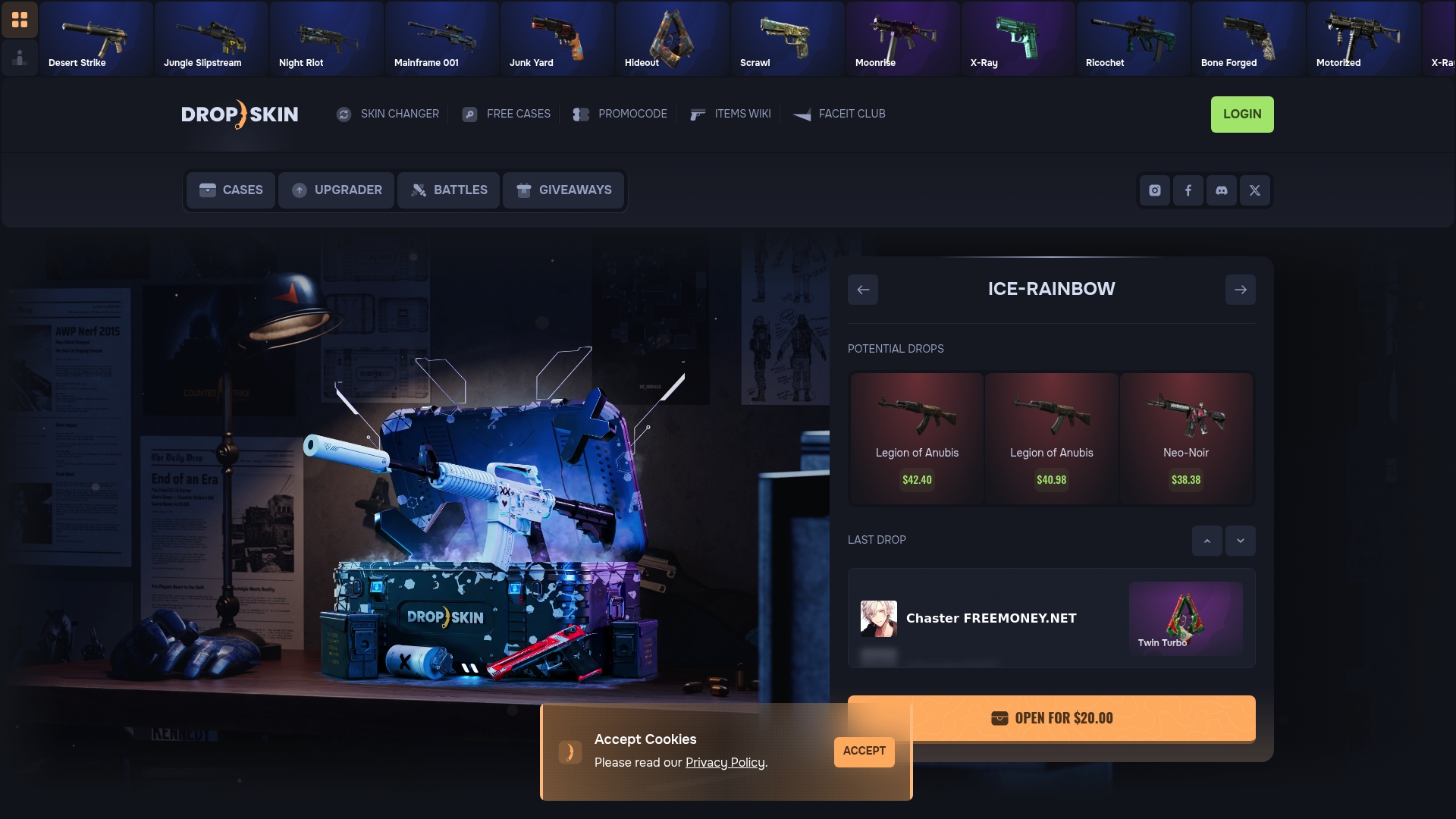
Explore DROP.SKIN case opening to find rare skins at prices that beat the Steam market. Or head directly to the CS2 skin upgrader to transform lower-tier skins into something worth showing off. Fast trades, real rewards, and a community that knows what it's doing. Start now and see the difference a purpose-built platform makes.
Frequently asked questions
How much cheaper are CS:GO and CS2 skins on marketplaces vs Steam?
Third-party marketplaces typically offer skins 7-30% cheaper than Steam due to lower transaction fees, making them the better choice for both buyers and regular sellers.
Are skin marketplaces safe to use?
Yes, reputable platforms with strong review scores and built-in protections are safer than P2P trading, especially compared to informal channels like Discord where scam rates are extremely high.
What risks should I watch out for with skin trading?
Phishing sites and fake trade offers are the biggest threats; always verify the platform URL, enable Steam Guard, and avoid unverified P2P deals to protect your inventory.
What advanced features do third-party marketplaces offer?
Top platforms offer instant trading bots, real-time analytics, float value filters, and AI-powered tools where AI trading has achieved significantly higher returns than passive buy-and-hold strategies.