
TL;DR:
- A hybrid skin marketplace unites peer-to-peer trading, case openings, and gambling mechanics on one platform, transforming skins into both assets and stakes. These platforms enhance liquidity, diversify income, and boost engagement but require secure escrow and transparent fees for safety. Their growth signifies a shift toward integrated, user-focused environments shaping the future of skin economies.
A hybrid skin marketplace is a platform that merges peer-to-peer skin trading with interactive, chance-based gameplay, turning CS2 cosmetics into both tradable assets and live stakes in a single ecosystem. Platforms like Skinport, CS.Money, and Buff163 handle the trading side, but the hybrid model goes further by folding in case openings, skin battles, and upgrade mechanics alongside standard buy-and-sell functions. Understanding what a hybrid skin marketplace is matters now more than ever because the secondary market processes $7.1B in annual transactions as of 2025, representing roughly 60.2% of total skin market volume. That number signals a mature, competitive space where knowing how platforms differ directly affects your trades and your bankroll.
What is a hybrid skin marketplace and how does it work?
A hybrid marketplace enables buying and selling goods alongside services or interactive features on the same platform. In the skin context, that means one platform can handle a direct purchase, a peer-to-peer trade, and a case battle all under the same login. The structure removes the friction of jumping between three separate sites to accomplish what a single hybrid platform handles in one session.
The operational mechanics break down into four distinct layers:
- Primary sales channel. Official in-game stores like the CS2 Steam Market sell skins at fixed prices with no negotiation. This is the entry point for most new collectors, but prices here rarely reflect secondary market value.
- Secondary peer-to-peer marketplace. Platforms like Skinport and Buff163 let users list skins at their own prices, creating a live auction or fixed-price environment driven by supply and demand. Third-party platforms extend this further with rental and exchange features that pure P2P sites skip.
- Gambling-style gameplay integration. This is where the hybrid model separates itself. Skins become stakes in chance-based games, making platforms act as part marketplace, part competitive event, and part slot machine. Case battles, Plinko, and coin flips use actual skin inventories as the currency of play.
- Fee and monetization structures. High-end platforms charge roughly 8% seller fees, mid-market platforms charge 3% to 5%, and some platforms like Skins.com operate on a zero seller fee model using automated bot inventories for instant delivery. Knowing which model a platform uses changes your net return on every trade.
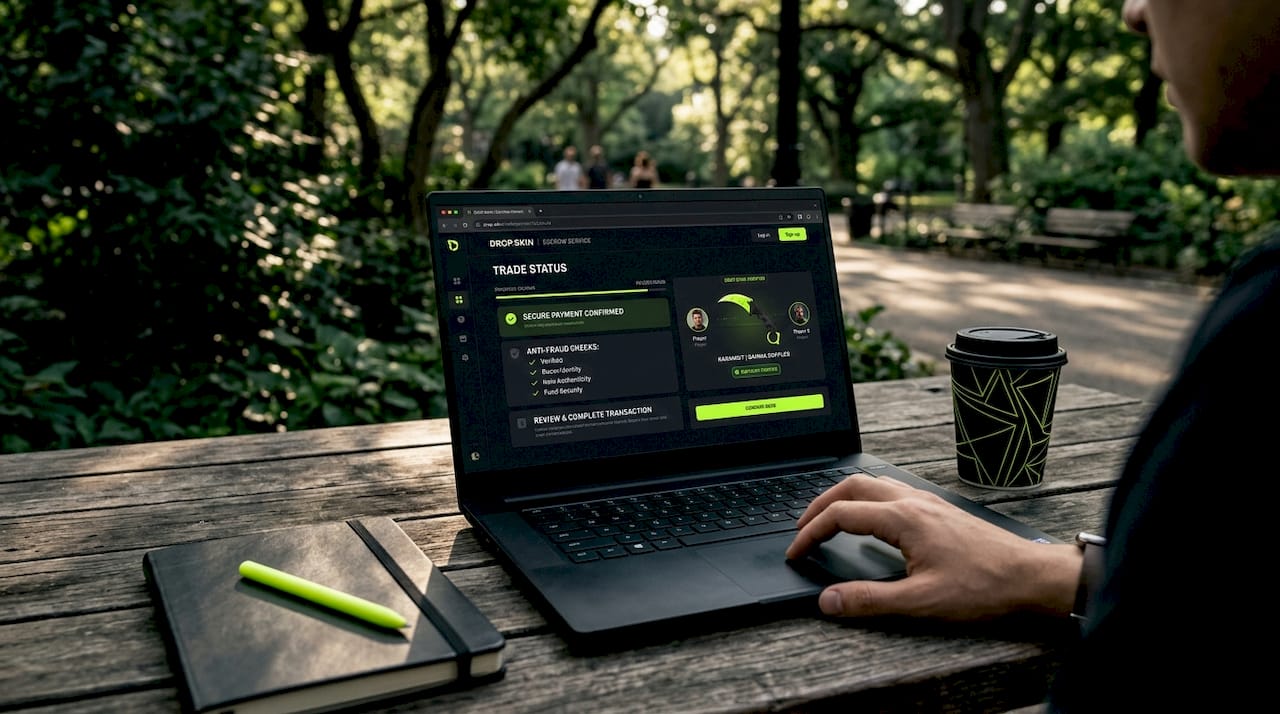
Escrow systems sit underneath all of this. Secure financial transactions depend on escrow and anti-fraud mechanisms that hold assets in a neutral state until both parties confirm the deal. Without escrow, the risk of scams on high-value skins becomes significant.
Pro Tip: Before depositing skins on any platform, verify that it uses a third-party escrow or automated bot delivery system. Platforms that rely on direct user-to-user transfers without escrow are the most common source of skin theft.
What are the benefits of a hybrid skin marketplace for gamers and collectors?
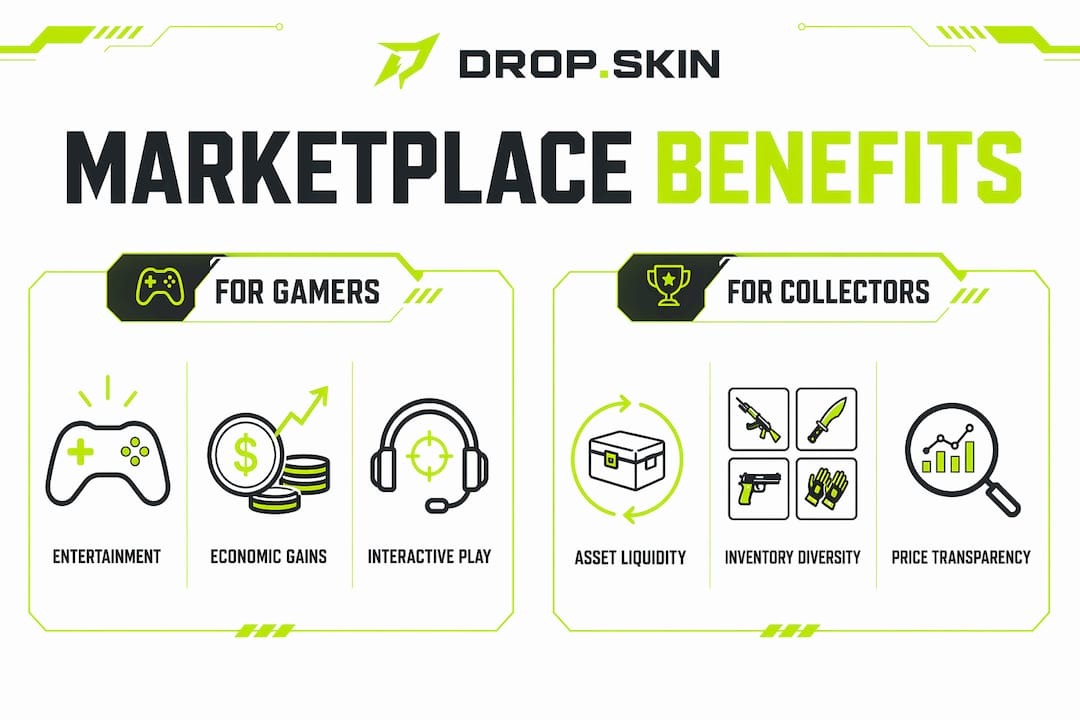
The core benefit is consolidation. Instead of maintaining accounts on a trading site, a gambling site, and a case-opening platform separately, a hybrid marketplace delivers all three functions with one inventory and one balance. Hybrid platforms reduce friction and increase loyalty when user needs overlap, which is exactly the case for collectors who trade and gamble with the same skins.
The specific advantages worth knowing:
- Liquidity on demand. Hybrid platforms with large user bases allow fast exits from positions. If a skin's value peaks, you can sell immediately rather than waiting for a buyer on a smaller, single-function site.
- Income diversification. A collector can earn through direct sales, skin upgrades, and gameplay winnings from the same inventory. Each channel carries different risk and reward profiles, giving you more control over how you generate returns.
- Entertainment value. The gambling layer adds a dimension that pure trading platforms cannot match. Case battles and upgrade mechanics create engagement that keeps users on the platform longer and makes the experience feel like gaming rather than spreadsheet management.
- Market-driven pricing. Secondary market pricing on hybrid platforms reflects real supply and demand rather than developer-set prices. This creates arbitrage opportunities for collectors who track price movements across platforms like CS.Money and Buff163.
- Trust and compliance features. Platforms competing in the hybrid skin market increasingly differentiate on compliance and user trust, including KYC verification, dispute resolution systems, and transparent fee disclosures.
The entertainment and economic functions reinforce each other. A skin you win in a case battle immediately becomes a tradable asset, and a skin you buy at a discount can become your stake in the next upgrade attempt. That dual role is the defining characteristic of the hybrid model.
How do hybrid skin marketplaces impact trading dynamics and gambling behavior?
The shift is behavioral as much as structural. Once skins serve as stakes in gameplay, user incentives shift from pure collection toward risk-and-reward entertainment. A collector who previously held skins for appreciation now considers wagering them for a higher-value outcome. That change in mindset affects how users price risk, how long they hold assets, and how much they spend on the platform overall.
The table below shows how a pure trading marketplace compares to a hybrid platform across the dimensions that matter most to active users:
| Feature | Pure trading marketplace | Hybrid skin marketplace |
|---|---|---|
| Revenue channels | Buy/sell only | Trading, gambling, upgrades, battles |
| Asset utility | Store of value | Store of value and gameplay currency |
| User engagement | Transaction-driven | Transaction and entertainment-driven |
| Liquidity depth | Depends on listing volume | Boosted by gameplay-driven skin circulation |
| Risk profile | Market price volatility | Market volatility plus gameplay variance |
The liquidity effect is real. Skins circulating through gameplay modes return to the marketplace faster than skins held in static collections. This increases the volume of available inventory and generally tightens bid-ask spreads on popular items. For active traders, that means more opportunities to buy low and sell at market rate.
The challenge is responsible design. Platforms that blend trading with gambling carry an obligation to build in safeguards. Transparent odds disclosure, deposit limits, and clear dispute resolution processes are not optional features. They are the baseline for platforms that want long-term user trust. You can read more about how gambling elements shape behavior and what the industry's current trends look like in practice.
Pro Tip: Set a hard limit on the percentage of your skin inventory you are willing to risk in any single gambling session. Treating your trading inventory and your gambling bankroll as separate pools prevents a bad run from wiping out assets you intended to hold long-term.
How to get the most out of hybrid skin marketplaces in 2026
Navigating the hybrid skin market well requires a clear strategy across four areas: platform selection, fee management, security practices, and trade timing.
- Choose platforms with transparent fee structures. A 3% difference in seller fees compounds significantly across dozens of trades. Compare fee models on platforms like Skinport, CS.Money, and Buff163 before committing your inventory to any single site. The skin trading fee guide breaks down current fee benchmarks and how fast trade execution affects net returns.
- Use escrow on every high-value transaction. No skin is worth skipping escrow verification. Automated bot delivery systems are the safest option because they remove human error from the transfer process entirely.
- Monitor real-time pricing before upgrading. Upgrade mechanics on hybrid platforms use live market prices to calculate odds. If a skin's market value has spiked recently, the upgrade cost reflects that spike. Timing your upgrades when target skin prices are stable gives you better expected value.
- Diversify across gameplay modes. Case battles, Plinko, and upgrade systems each carry different variance profiles. High-variance modes like case battles can deliver outsized returns but also wipe inventories quickly. Lower-variance upgrade attempts on mid-tier skins offer more predictable outcomes.
- Verify compliance status before depositing. Platforms operating with proper licensing and KYC procedures are significantly less likely to freeze withdrawals or exit without notice. Check community forums and review sites before moving large inventories.
The CS2 marketplace risks and profits guide covers the specific risk profiles of different trading strategies in more detail, which is worth reading before you commit to a primary platform.
Pro Tip: Track your win rate and average return across each gameplay mode separately. Most users overestimate their returns from gambling modes because they remember wins more vividly than losses. A simple spreadsheet tracking deposits and withdrawals per mode will show you where your actual edge is.
Key takeaways
A hybrid skin marketplace delivers the most value when you treat skins as both tradable assets and gameplay tools, with platform selection and fee awareness determining your actual returns.
| Point | Details |
|---|---|
| Core definition | A hybrid marketplace combines P2P trading, case openings, and gambling gameplay on one platform. |
| Market scale | The secondary skin market processes $7.1B annually, making platform choice financially significant. |
| Fee impact | Seller fees range from 0% to 8% across platforms, directly affecting net returns on every trade. |
| Behavioral shift | Gambling integration moves user focus from collection to risk-and-reward, requiring disciplined bankroll management. |
| Security baseline | Escrow systems and compliance features are non-negotiable for safe participation in any hybrid platform. |
Dropskin's take on where hybrid marketplaces are heading
The hybrid model is not a trend. It is the direction the entire skin economy is moving, and platforms that do not integrate gameplay with trading will lose users to those that do. At Dropskin, we have watched this shift accelerate over the past two years. Users no longer want to manage five separate accounts to open cases, trade skins, run upgrades, and enter battles. They want one platform that does all of it without sacrificing security or pricing transparency.
What concerns me about the current state of the hybrid skin market is the gap between platform ambition and responsible design. Too many platforms add gambling mechanics as engagement hooks without building the safeguards that protect users from spiraling losses. Transparent odds, deposit limits, and clear dispute resolution are not features you add later. They need to be foundational. The platforms that will dominate the next three years are the ones treating player protection as a competitive advantage rather than a compliance checkbox.
The integration of blockchain-based ownership verification is the next meaningful shift coming to hybrid platforms. Provable ownership records and on-chain transaction history will reduce fraud and increase buyer confidence on high-value trades. That development will not replace escrow systems immediately, but it will raise the baseline expectation for what a trustworthy platform looks like. The hybrid skin market is maturing fast, and the collectors who understand its mechanics now will be the ones positioned to benefit most when that maturity translates into deeper liquidity and better pricing tools.
— Dropskin
Try Dropskin for CS2 case openings and skin upgrades
Dropskin puts the full hybrid skin marketplace experience in one place. You can open CS2 cases from an extensive collection, run skin upgrades to turn mid-tier items into premium ones, and enter battle modes where your skins become the stakes.
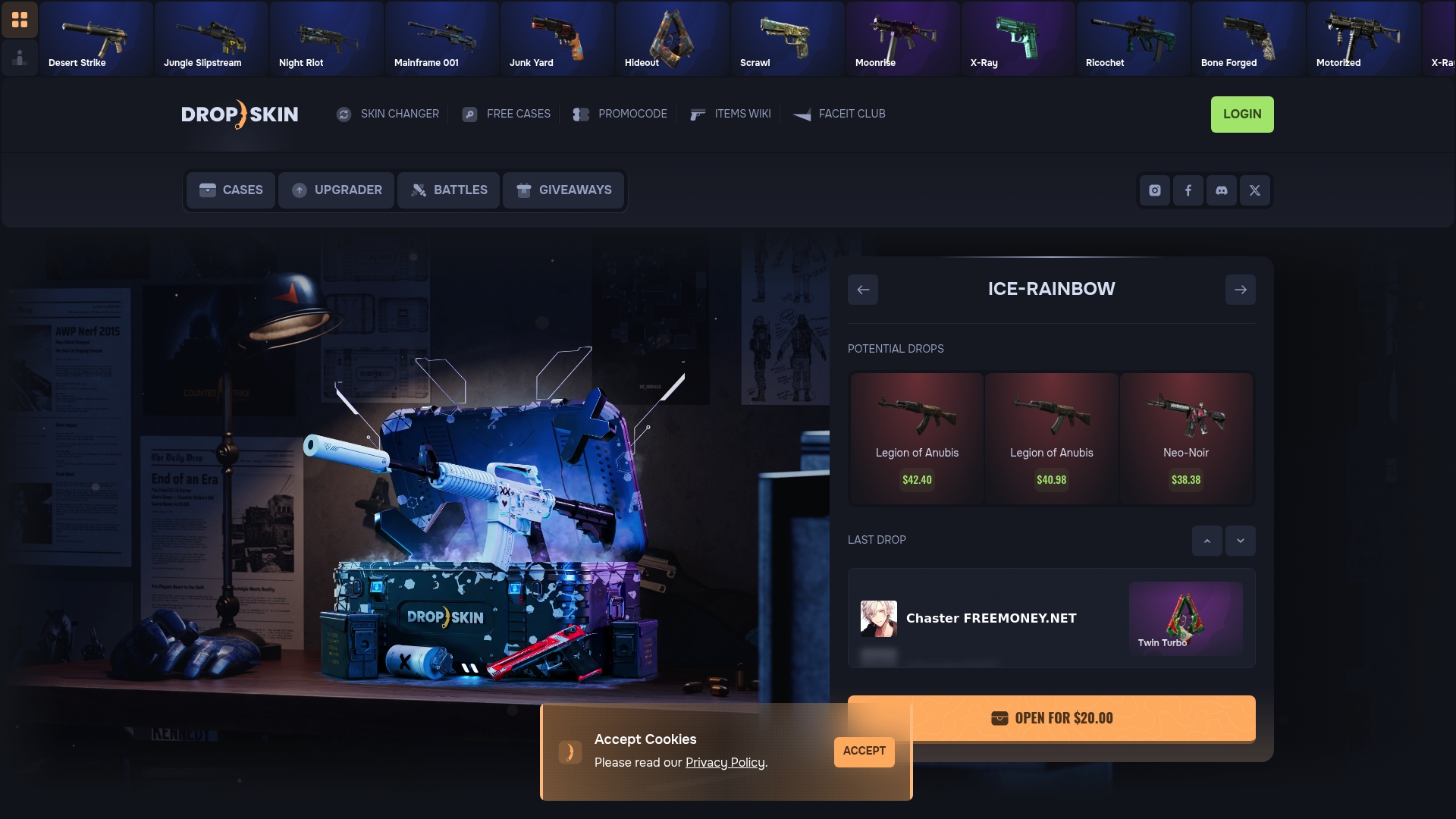
The platform is built for both casual collectors and serious traders who want competitive pricing and fast execution. Dropskin's skin upgrader lets you target specific high-value skins using your current inventory as leverage, with live market pricing driving every upgrade calculation. Giveaways and promo codes add extra value for active users. If you are ready to put the hybrid model to work, start on Dropskin and see how trading, upgrading, and case battles work together in a single platform built for CS2.
FAQ
What is a hybrid skin marketplace?
A hybrid skin marketplace is a platform that combines peer-to-peer skin trading, case openings, and gambling-style gameplay in one place, allowing users to treat skins as both tradable assets and gameplay stakes.
How does a hybrid skin marketplace work?
These platforms layer primary sales, secondary P2P trading, and chance-based gameplay modes like case battles and upgrades on top of each other, with escrow systems and fee structures governing each transaction type.
What are the main benefits of using a hybrid skin marketplace?
The primary benefits are consolidated inventory management, access to multiple income channels from the same skins, deeper liquidity, and entertainment value that pure trading platforms do not offer.
Are hybrid skin marketplaces safe to use?
Safety depends on whether the platform uses escrow-backed transactions, transparent fee disclosures, and regulatory compliance features. Platforms with KYC verification and automated bot delivery systems carry the lowest fraud risk.
How do fees work on hybrid skin marketplaces?
Seller fees range from 0% on zero-fee platforms using bot inventories to roughly 8% on premium platforms, with most mid-market options sitting between 3% and 5% per transaction.