
TL;DR:
- Skin escrow temporarily holds items to prevent rushed or fraudulent trades.
- Escrow delays reduce scam risk but can be bypassed if security is ignored.
- Patience and verified security features are key to safe high-value skin trading.
Most CS:GO and CS2 traders assume scams are about brute-force hacking or obvious tricks. The truth is messier: the majority of high-value skin losses happen because traders misunderstood or flat-out ignored escrow protections. Skin escrow is a temporary holding system that sits between you and the person you're trading with, acting as a neutral buffer against rushed, fraudulent, or manipulated exchanges. Whether you're flipping StatTrak knives or hunting for rare gloves, knowing how escrow works is the difference between a clean trade and a costly mistake. This guide breaks it all down so you can trade with actual confidence.
Table of Contents
- What is skin escrow and why does it matter?
- How does skin escrow work in CS:GO and CS2?
- Escrow versus instant trading: Risks and rewards
- Skin escrow, trading sites, and gambling: What you need to know
- Skin escrow: What most guides don't tell you
- Trade smarter and upgrade skins with DROP.SKIN
- Frequently asked questions
Key Takeaways
| Point | Details |
|---|---|
| Skin escrow defined | Skin escrow is a holding period that secures digital items during trades to reduce scams. |
| Escrow protects traders | Most major scams happen in trades that skip or rush past escrow protections. |
| Patience pays off | Waiting out escrow helps ensure your valuable skins reach their rightful recipient. |
| Apply escrow everywhere | Use escrow on marketplace and third-party platforms to maximize your safety. |
What is skin escrow and why does it matter?
Skin escrow is a digital holding mechanism where your items are temporarily locked during a trade rather than transferred instantly. Think of it like a safety deposit box at a bank: neither party can access the items until both sides have confirmed everything is legit and the required time has passed. The system exists specifically because digital items, unlike physical goods, can be moved in seconds, making fraud recovery almost impossible without a buffer period.
Valve introduced escrow into Steam trading after widespread reports of skin trading scams flooding the CS:GO community in its early years. The idea was simple: slow down the process enough to give traders a window to spot mistakes, unauthorized activity, or social engineering attempts before a trade becomes permanent. Skin escrow was implemented to reduce scams in digital item trading, and it remains one of the most effective safeguards available to any CS2 skin collector today.
Here's why escrow matters at a practical level:
- Reversal window: During the escrow period, suspicious transactions can be flagged and canceled before items change hands permanently.
- Identity confirmation: It adds friction that discourages impersonators from completing fraudulent trades quickly.
- High-value protection: For rare or expensive skins, a short wait is a fair price for knowing your items aren't gone forever.
- Trust building: Both parties know neither side can disappear with items mid-transaction.
- Platform legitimacy: Reputable trading platforms use escrow systems to signal they're serious about user protection.
Understanding skin trading industry terms like escrow, float value, and trade holds also helps you sound knowledgeable when dealing with other collectors, which matters in a community that can smell inexperience from a mile away.
| Escrow feature | What it does |
|---|---|
| Holding period | Locks items for a set time before transfer |
| Dispute window | Allows users to report fraud before completion |
| Account verification | Confirms trader identity via Steam Guard |
| Trade cancellation | Lets either party cancel within the hold period |
Pro Tip: Enable Steam Guard Mobile Authenticator before any trade. It's the single easiest step to reducing or eliminating escrow delays entirely.
How does skin escrow work in CS:GO and CS2?
Now that we've defined skin escrow, let's walk through how it actually works during a CS:GO or CS2 trade. The mechanics are straightforward once you see them laid out, but most traders skip learning them until after something goes wrong.
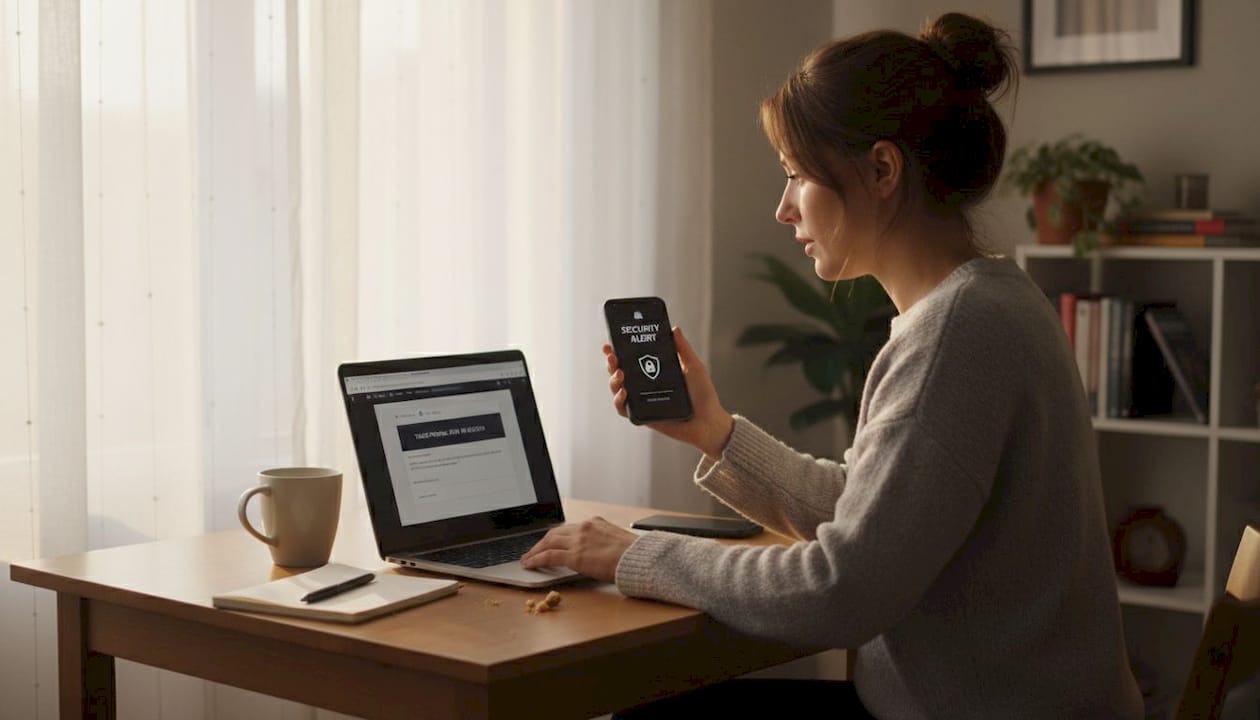
Escrow kicks in based on the security status of either trader's account. Specifically, it triggers when one or both accounts have recently logged in from a new device, haven't enabled Steam Guard Mobile Authenticator, or are flagged as potentially compromised. In those cases, a waiting period is automatically applied.
CS:GO and CS2 enforce a 7-day hold for most trades when one or both parties use a different device or haven't enabled Steam Guard. That's a full week where your skins sit in digital limbo, visible but untouchable.
Here's how a typical escrow trade unfolds:
- Initiate the trade: You send or receive a trade offer through Steam or a third-party platform.
- Security check: Steam evaluates both accounts for active Steam Guard status and recent device changes.
- Escrow triggered or bypassed: If security requirements aren't met, the hold period activates. If both accounts are fully secured, the trade may go through instantly.
- Confirmation emails: Both parties receive notifications and must confirm acceptance.
- Waiting period: Items are locked for up to 7 days. No actions can be taken on those items during this time.
- Release: After the hold, items transfer to the recipient if no disputes were raised.
- Cancellation option: Either party can cancel the trade before the hold period ends without losing anything.
Avoiding common skin trading mistakes like trading from new devices or using unverified accounts is the fastest way to keep escrow delays short or nonexistent. Staying current on skin trading trends also helps you understand how platform policies around escrow are evolving in 2026.
Pro Tip: If a trade partner pressures you to complete a deal before your escrow period ends, treat it as a serious red flag. Legitimate traders don't mind waiting.
Escrow versus instant trading: Risks and rewards
Understanding escrow's mechanics, it's useful to see how it stacks up against instant trading and what tradeoffs you face. Both options have real merits, but the risk profile is very different depending on which path you choose.
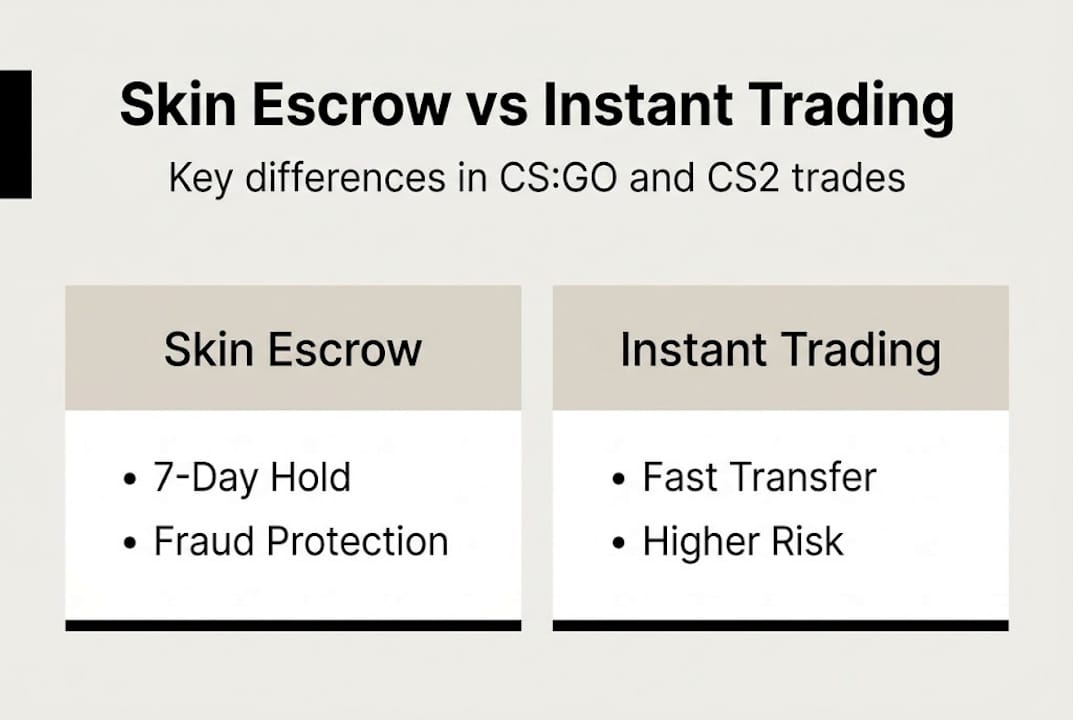
Instant trading, which happens when both accounts meet Steam's full security requirements, is fast and frictionless. You agree on a deal, confirm it, and skins move in seconds. For experienced traders with fully secured accounts, this is the dream setup.
But instant trades expose users to a significantly higher risk of fraud and scam. Why? Because speed eliminates the window you need to catch mistakes. Social engineering attacks, where scammers impersonate friends or use fake trade bots, rely entirely on victims acting fast without double-checking.
"The 7-day hold isn't a punishment. It's the safety net that catches you when someone else is trying to pull the rug."
| Factor | Escrow trading | Instant trading |
|---|---|---|
| Transfer speed | 7 days (standard) | Seconds |
| Fraud risk | Low | High |
| Cancellation window | Full hold period | Very limited |
| Security requirement | Flexible | Both accounts fully secured |
| Peace of mind | High | Depends on vigilance |
The advantages of skin trading are real, but only if you're still in possession of your skins afterward. That's the point most traders miss. Convenience is worth nothing if your Karambit vanishes in a phishing scam.
Third-party platforms add another layer to this. Some third-party skin trading sites build their own escrow systems on top of Steam's, which can provide extra protection or, if the site is shady, create new vulnerabilities. Always verify a platform's escrow practices before depositing anything valuable.
Stat to know: The overwhelming majority of high-value skin losses are tied to trades that bypassed or rushed the escrow process. Patience literally pays.
Skin escrow, trading sites, and gambling: What you need to know
Escrow doesn't just protect you in the Steam marketplace. Its role grows significantly when you branch out into gambling or trading on other sites. This is where a lot of collectors get caught off guard.
Many third-party trading and gambling sites rely on escrow protection for users, but not all of them implement it equally. Some platforms use robust automated escrow bots. Others use vague language that sounds like escrow but offers no real protection. Knowing the difference is critical before you risk anything valuable.
Here's what to look for when evaluating any skin platform:
- Transparent escrow policy: The site should clearly state how long items are held and what triggers a hold.
- Dispute resolution process: Reputable platforms outline exactly how they handle trade disputes.
- User reviews: Look for patterns in feedback about withdrawals being delayed or items going missing.
- Bot verification: Legitimate sites use verified Steam bots for automated escrow, not manual handling.
- No pressure to skip escrow: Any platform that encourages you to disable protections for "faster" trades is a major warning sign.
Understanding skins in CS:GO trading and gambling gives you a broader picture of how escrow fits into the full skin economy, including gambling formats like case battles and upgrade sites. Meanwhile, a solid skin economy guide helps you understand how escrow timelines affect pricing and availability of rare skins in the market.
Pro Tip: Before depositing skins on any third-party site, search the platform name plus "scam" or "review" on Reddit and community forums. The CS2 community is vocal, and bad actors rarely stay hidden for long.
Sites that skip escrow entirely or make the process deliberately confusing are almost always prioritizing their own convenience over your security. Walk away from those.
Skin escrow: What most guides don't tell you
With the basics and practical applications of skin escrow covered, let's take a step back for an honest look at the big picture.
Here's the uncomfortable reality: escrow is widely treated as an annoyance when it's actually one of the only structural protections standing between your valuable skins and someone trying to steal them. Most guides focus on how to avoid escrow delays. Very few talk about why those delays exist and what happens to traders who successfully skip them.
Real scammers don't brute-force accounts. They convince you to lower your guard. Their most common tactic? Persuading you to disable Steam Guard or rush a trade before the escrow window activates. Traders who bypass escrow face the highest rate of scam losses, not because they're careless in general, but because they trusted the wrong person at the wrong moment.
Patience is genuinely a security skill in this space. The 7-day wait costs you nothing except time. A successful social engineering attack can cost you skins worth hundreds of dollars.
Keeping up with skin trading future trends also signals that escrow is getting smarter, with platforms moving toward real-time verification and AI-based fraud detection. But until those systems are universal, the humble 7-day hold remains your best friend. Embrace it.
Trade smarter and upgrade skins with DROP.SKIN
Ready to put your knowledge of skin escrow into real action? Knowing how escrow works is step one. Having a trusted platform to trade on is step two.
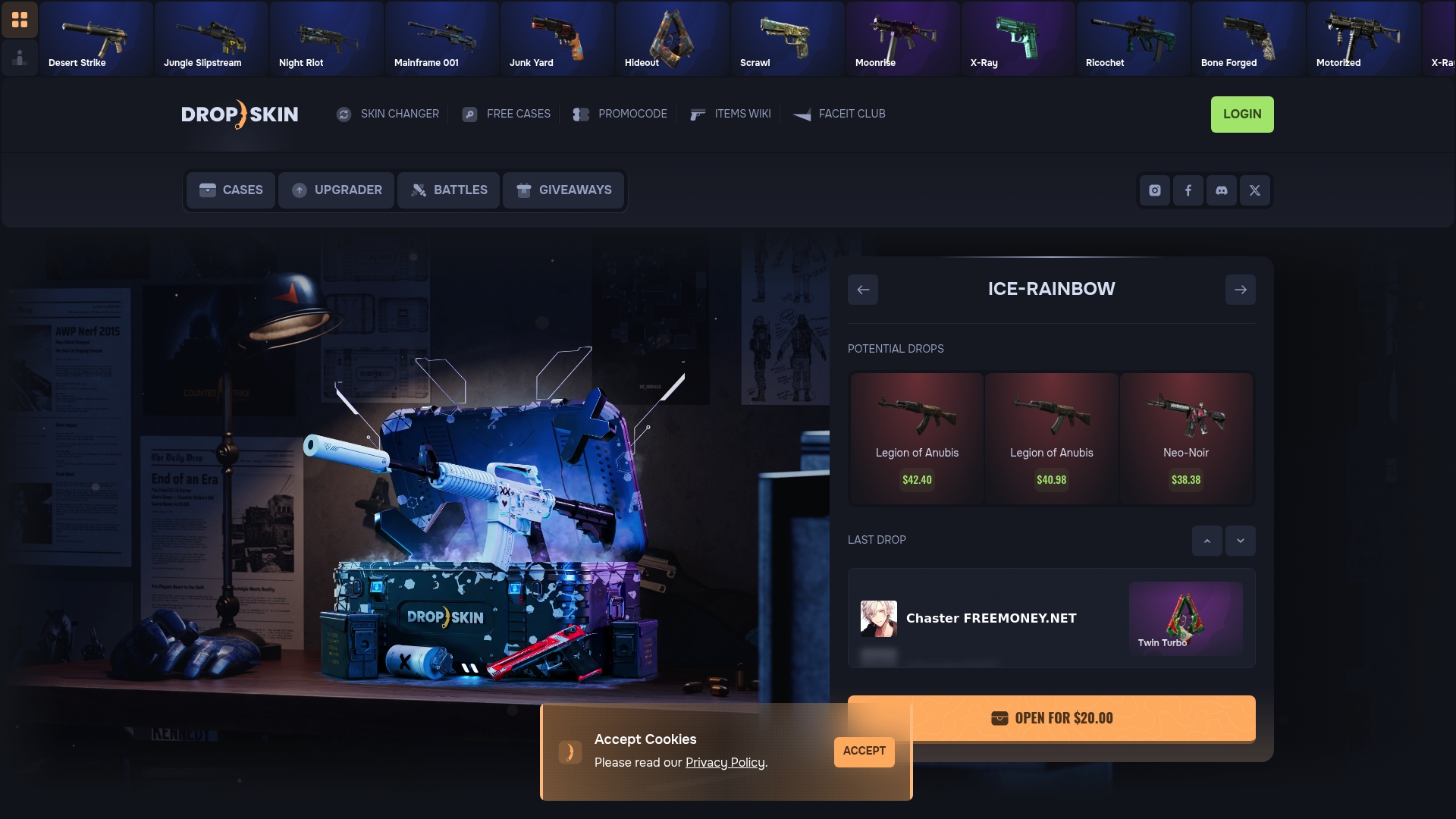
Secure CS2 skin cases and safe trading are at the core of what DROP.SKIN offers. The platform is built for collectors and gamblers who want to enjoy the thrill of skin trading without exposing themselves to the fraud risks that plague unprotected exchanges. From case openings to the upgrade CS2 skins online feature, every tool is designed to protect your investment while keeping the experience exciting. Drop in, trade smart, and let the platform's built-in safeguards handle the heavy lifting while you focus on stacking better skins.
Frequently asked questions
How long does skin escrow last for CS:GO and CS2 trades?
Most CS:GO and CS2 trades are held in escrow for 7 days if either party hasn't enabled all security features. A standard 7-day hold applies unless both traders meet Steam's full security requirements, including Steam Guard Mobile Authenticator.
Can I bypass skin escrow and make instant trades?
You can only make instant trades if both accounts have fully enabled security features. However, bypassing escrow puts you at the highest risk for scams and social engineering attacks.
Is skin escrow used on third-party gambling and trading sites?
Yes, reputable third-party sites implement escrow to protect traders' items before completing exchanges. Most major trading sites use skin escrow as a core safeguard, though quality and transparency vary by platform.
What are the main benefits of using skin escrow?
Skin escrow protects both parties, limits scams, and makes trading safer for high-value skins. It creates a trusted framework that prevents fraud and gives both traders a cancellation window if something feels wrong.