TL;DR:
- Skin rarity in CS:GO and CS2 is a structured hierarchy that influences drop rates, market prices, and trade-up eligibility, with each tier assigned a specific color and source. While higher rarities like Covert and Extraordinary are more valuable and less common, actual unboxing odds reveal the rarity of specific items, such as knife skins, are extremely low; most players benefit from buying directly rather than unboxing. Successful trading and collection building depend on understanding rarity's role alongside factors like float, pattern, timing, and provenance, rather than relying solely on tier labels.
You've cracked open a case, heart pounding, only to land another blue Mil-Spec skin you already own three of. Sound familiar? Navigating CS:GO and CS2 skin rarities is genuinely confusing, and that confusion costs traders real money every day. Knowing exactly where each skin sits in the rarity hierarchy, what the actual odds look like, and how rarity connects to market price is the difference between building a collection you're proud of and wasting your budget on cases that won't move the needle on your inventory.
Table of Contents
- Understanding CS:GO skin rarity: the building blocks
- The official CS:GO skin rarity list
- Odds, outliers, and the true rarity math
- How rarity affects market price and trading strategies
- Why skin rarity is only half the battle: what veteran traders know
- Level up your collection with trusted CS2 skin platforms
- Frequently asked questions
Key Takeaways
| Point | Details |
|---|---|
| Rarity sets baseline value | Every CS:GO skin's base value and trade-up potential are determined by its rarity tier. |
| Not all rares are equal | Wear, float value, and unique patterns can make skins of the same rarity worth dramatically different amounts. |
| Odds impact strategy | Understanding drop rates and case odds helps you target the skins you want—gold knives are extremely rare, for example. |
| Trade-up contracts require the right tier | Only skins of the same rarity can be combined for trade-ups to the next tier, making lower-rarity bulk important. |
| Marketplace fees cut into flips | Steam's 15% commission is a key factor for short-term traders looking to turn quick profits. |
Understanding CS:GO skin rarity: the building blocks
Skin rarity in CS:GO and CS2 is not just a cosmetic label. It's a structured system that determines how often a skin drops, what you can do with it in trade-up contracts, and what floor price it commands on the market. The whole system uses a tiered color hierarchy, and skin rarity explained covers how each level shapes gameplay and trading decisions.
Here's a breakdown of the official rarity tiers from most common to most rare:
- Consumer Grade (white/light gray): The most common skins, typically obtained through weekly drops. Low demand, low price.
- Industrial Grade (light blue): Still very common, still mainly from weekly drops. Slightly more interesting aesthetics but still budget territory.
- Mil-Spec (blue): The entry point for cases. Noticeably better designs, and the most common case unbox result.
- Restricted (purple): Noticeably less common than Mil-Spec. More sought-after designs, better price points.
- Classified (pink): Rare from cases, valuable in trade-up contracts, and popular with collectors.
- Covert (red): The premium non-knife skin tier. These are the skins gamers chase in most cases.
- Extraordinary (gold/yellow): Knives, gloves, and certain special items. The rarest and most expensive category.
Color coding is your fastest visual signal. The color on a skin's name tag in your inventory or on the marketplace tells you its tier immediately. Gold items stand out because they sit in their own visual category and rarity determines base value and trade-up eligibility: 10 skins of one rarity yield higher rarity output through the trade-up contract system.
Key rule: Steam's trade-up system requires exactly 10 skins of the same rarity tier, all from the same collection or a mix of collections, to receive a single random skin at the next tier up. This mechanic makes even common skins strategically valuable when you're grinding upward.
Rarity matters for three core reasons: it sets the price floor for any given skin, it determines whether that skin is eligible for case drops or weekly drops, and it controls what you can feed into a trade-up contract. Ignoring the rarity system means leaving strategy on the table.
The official CS:GO skin rarity list
With the system clarified, it's time to see how the official skin rarities stack up, here's the complete list with practical context for each tier:
| Rarity tier | Color | Drop source | Typical price range |
|---|---|---|---|
| Consumer Grade | White/Light Gray | Weekly drops only | $0.01 to $0.10 |
| Industrial Grade | Light Blue | Weekly drops only | $0.05 to $0.50 |
| Mil-Spec | Blue | Cases + weekly drops | $0.10 to $5.00 |
| Restricted | Purple | Cases | $1.00 to $30.00 |
| Classified | Pink/Magenta | Cases | $5.00 to $200.00+ |
| Covert | Red | Cases | $20.00 to $1,000.00+ |
| Extraordinary | Gold/Yellow | Cases (knife/gloves) | $100.00 to $10,000.00+ |
A few things stand out here that most casual players miss. First, Consumer and Industrial Grade skins are never found in cases. They only appear through weekly drop rewards for playing on Valve servers. This means drop rates and value for the bottom two tiers are completely disconnected from the case economy, and weekly drops include Consumer/Industrial grades but cases start at Mil-Spec.
Key points to remember when using this list:
- Cases will always have a chance of outputting Extraordinary tier items (knives/gloves), even though most results land at Mil-Spec.
- A skin's rarity tier stays fixed forever. A Classified skin from 2015 is still Classified in 2026.
- Some collections released through Operation drops or event missions include skins across multiple tiers, so always check before assuming.
- Souvenir versions of skins exist outside the standard rarity framework and carry price premiums regardless of base rarity.
The table above gives you a fast reference, but real trading means cross-referencing rarity against float, wear condition, and current market demand. Rarity is the starting point, never the whole picture.
Odds, outliers, and the true rarity math
Understanding the tiers is one thing, but the actual odds of unboxing ultra-rare skins, and knowing the difference between a gold knife and a specific knife type, is where serious players separate themselves from casual openers.
Here's what the numbers actually look like inside a typical case:
| Tier | Approximate unbox odds |
|---|---|
| Mil-Spec (blue) | ~79.92% |
| Restricted (purple) | ~15.98% |
| Classified (pink) | ~3.20% |
| Covert (red) | ~0.64% |
| Extraordinary (gold) | ~0.26% |
That gold tier number feels exciting until you factor in the knife pool. According to data on CS2 case odds, gold knives land at roughly 1 in 385 cases opened, but for a specific knife type, the odds shrink to approximately 1 in 19,000 per type. That's not a typo.
So when someone tells you they're targeting a specific Butterfly Knife Doppler Phase 2 in Factory New condition, they're looking at probability stacking that could realistically require tens of thousands of case openings. This is why the secondary market exists and why smart traders buy directly rather than chase through unboxing alone.
Rarity drives value in measurable ways, but the math humbles even experienced players. The difference between perceived rarity ("this looks rare") and actual statistical rarity is enormous, and expensive misunderstandings stem from confusing the two.
Statistic to know: The base rate for any gold tier item is roughly 0.26%, but with dozens of knife and glove options sharing that pool, the odds per specific item collapse fast. Casually unboxing hoping for a specific knife is not a strategy. It's a lottery.
Pro Tip: If you're targeting a specific Covert or Extraordinary skin, compare the cost of buying it directly on the marketplace against the expected cost of unboxing it statistically. For most rare skins, buying direct wins economically by a wide margin.
Drop source also matters a lot in practice. Weekly drops are not random in the same way cases are. They're seeded based on playtime thresholds and have their own separate item pools, limited to Consumer and Industrial Grade skins. Cases, on the other hand, require a paid key and give access to the full rarity spectrum. These are two completely separate economies operating in parallel, and treating them as interchangeable is a common rookie mistake.
How rarity affects market price and trading strategies
Once you know the real rarity ranking and drop odds, the next step is to use this knowledge for smarter trades and collections.
Rarity sets the price floor, but it's rarely the ceiling. The most important truth in CS2 skin trading is that rarity impacts skin value as a baseline, but skin value fluctuation is driven by wear, pattern, and timing. According to Counter-Strike skin data, wear runs on a float scale from 0.00 to 1.00, with Factory New (FN, below 0.07) commanding the highest premiums, while patterns like the Case Hardened blue gem or Fade percentage can multiply a skin's value by 10x or more over its base price.
Here's a practical numbered list of trading strategies organized by rarity tier:
- Consumer and Industrial Grade: Use these as trade-up fodder. Stack 10 identical-collection skins toward a Mil-Spec output. The margin is thin but consistent.
- Mil-Spec (blue): Great for volume trading. Look for low-float Mil-Spec skins with clean finishes and flip them with minimal markup. High liquidity.
- Restricted (purple): Target popular weapon types (AWP, AK-47, M4A4) at this tier. Popular picks hold value better and sell faster.
- Classified (pink): This is where pattern research starts to pay off. A low-float Classified skin with a desirable pattern can punch well above its raw tier price.
- Covert (red): Long-term holds. Buy during market dips after case releases when supply is highest and demand hasn't caught up. Patience pays here.
- Extraordinary (gold): Unless you have deep capital and expertise, buy specific knives/gloves at the condition you actually want rather than speculating on market movement.
Important: Steam Marketplace charges a 15% fee on every sale, split between Valve and the game publisher. Factor this into every flip calculation. A $10.00 skin sale nets you $8.50. Short-term flipping at this rate is structurally difficult to profit from unless your margin is at least 20% or more.
Pro Tip: For trade-up contracts, calculate the expected output value across all possible results before committing. If the average output value across the full skin pool at the next tier is lower than your combined input cost, that trade-up is a losing proposition statistically.
Wear and pattern documentation is becoming increasingly important as the community matures. Serious collectors screenshot float values and pattern indexes. This practice separates collectors who are building real asset value from those just amassing random skins.
Why skin rarity is only half the battle: what veteran traders know
Most guides hand you the official tier list and call it done. But after spending real time inside this market, watching prices move, and seeing what actually drives trades, the picture looks very different from the outside.
The traders and collectors who consistently build valuable inventories are not chasing the highest rarity tier. They're hunting intersections. A Restricted AWP skin with a sub-0.01 float value and a clean, centered pattern can outprice a Covert skin in mediocre condition. That's not an edge case. It happens constantly, and collectors who only think in rarity tiers miss these opportunities every time.
Another trap is getting fixated on clean case openings as the only "real" way to collect. The community has developed a rich skin collecting culture built around provenance, float values, and history. A skin that was previously owned by a known professional player or featured in a major event can carry a story premium that transcends rarity entirely.
Market timing also matters more than most new traders realize. When Valve drops a new case, the Covert skins inside flood the market immediately as thousands of players unbox simultaneously. Prices dip. Six months later, those same skins have often recovered and exceeded their launch price. Veteran traders buy during that initial flood and hold. This strategy works across rarity tiers but is most powerful for Covert and Extraordinary items where the price swings are largest in absolute dollar terms.
Community hype cycles create temporary demand spikes at any rarity level. A Mil-Spec skin used by a top streamer in a viral clip can spike 300% overnight. These spikes correct, but fast movers who hold small positions can benefit. The key is recognizing hype-driven demand versus structural demand. Rarity alone never explains these moments.
The real lesson here is to treat rarity as one variable in a multi-factor equation. It's not the answer. It's the starting point.
Level up your collection with trusted CS2 skin platforms
Knowing the rarity system inside and out gives you the edge, but you also need a platform that matches your ambition. At Dropskin.com, we've built a space where that knowledge translates directly into action.
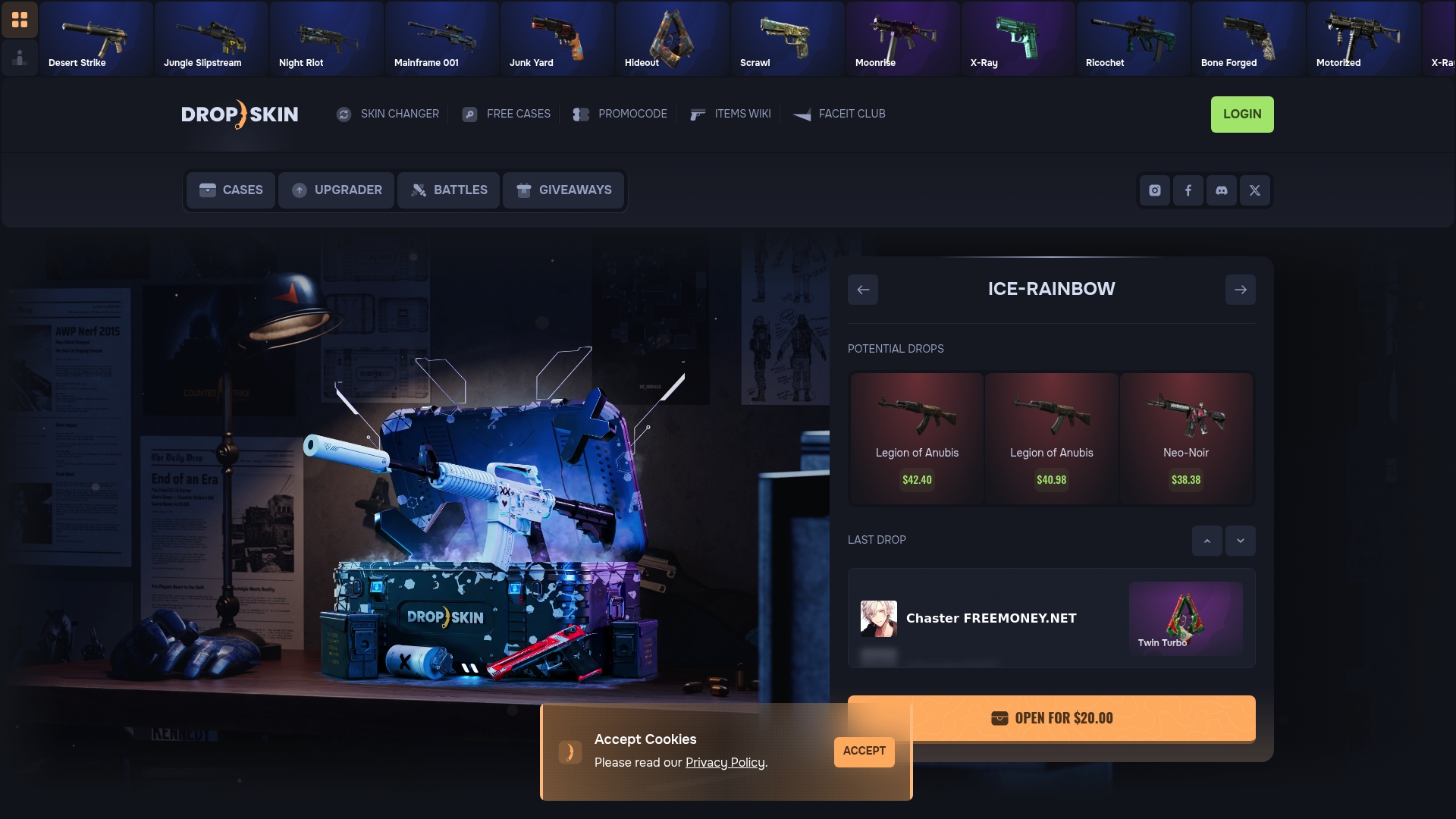
Whether you're ready to open CS2 cases with a strategy behind each click or you want to upgrade skins online by trading up from lower-tier pieces toward that Covert or Extraordinary target, our platform puts the tools in your hands. We offer skin battles, case openings, and an upgrader designed to help you move through rarity tiers faster and smarter. Add in regular giveaways and promotional codes, and building a serious collection becomes genuinely accessible, not just a grind reserved for players with unlimited budgets.
Frequently asked questions
What are the official CS:GO skin rarity tiers?
The main tiers are Consumer, Industrial, Mil-Spec, Restricted, Classified, Covert, and Extraordinary, each with unique color coding and drop sources. Cases start at Mil-Spec while Consumer and Industrial grades come only from weekly drops.
How do trade-up contracts work in CS:GO?
You need 10 skins of the same rarity to complete a trade-up, which gives you 1 random skin at the next higher rarity tier. Trade-up eligibility is directly tied to a skin's rarity tier assignment.
Why do some rare skins cost more than others of the same tier?
Factors like float value, unique patterns, and souvenir status push prices far above what rarity alone would set. The float scale runs from 0.00 to 1.00, with Factory New below 0.07 commanding the highest premiums across every rarity tier.
What are the odds of getting a gold-tier knife or gloves?
The base gold tier odds sit around 1 in 385, but for a specific knife or glove type within that pool, odds drop to approximately 1 in 19,000 per item. That's why direct marketplace purchases almost always beat unboxing for specific targets.
Does selling on the Steam Marketplace affect profits?
Yes, every sale on Steam carries a 15% marketplace fee that directly reduces your net return. For short-term flips especially, this fee means you need a margin of at least 20% just to break even after transaction costs.