TL;DR:
- Skin values in CS2 can fluctuate dramatically, driven by supply, demand, community hype, and game updates. Understanding rarity, market trends, and timing helps collectors anticipate and capitalize on these shifts for smarter trading. Utilizing specialized tools and monitoring social signals provides a competitive edge in navigating this dynamic skin economy.
A single skin in CS2 can jump from $5 to over $500 in a matter of months. That's not an exaggeration. Seasoned collectors and total newcomers alike get caught off guard by these swings, sometimes selling too early or holding too long. The mechanics behind skin value fluctuation are real, trackable, and learnable. Once you understand the forces at work, you stop guessing and start making smarter decisions about every skin in your inventory.
Table of Contents
- What is skin value fluctuation?
- Key factors driving skin value changes
- How rarity shapes price volatility
- Marketplace dynamics and collector strategies
- Why conventional advice on skin value misses the mark
- Level up your skin trading with specialist tools
- Frequently asked questions
Key Takeaways
| Point | Details |
|---|---|
| Fluctuation is multifactor | Skin values move based on rarity, demand, updates, and marketplace dynamics. |
| Rarity drives price swings | Rare skins can experience the sharpest and most unpredictable value changes. |
| Marketplace impacts | Trader activity and site competition shape skin prices and their volatility. |
| Strategy matters | Collectors who monitor trends and use the right tools make smarter decisions. |
What is skin value fluctuation?
Skin value fluctuation refers to the rise and fall in the market price of cosmetic weapon skins in CS:GO and CS2. These aren't random. Prices shift in response to specific, identifiable forces including supply and demand, player interest, game updates, and how many copies of a skin are circulating at any given time.
Think of it like a secondary sneaker market. A limited-edition shoe sits low until a celebrity wears it, and then the price explodes. CS2 skins work the same way. When a pro player uses a particular rifle skin on a major broadcast stage, demand spikes almost overnight. The skin didn't change. The attention around it did.
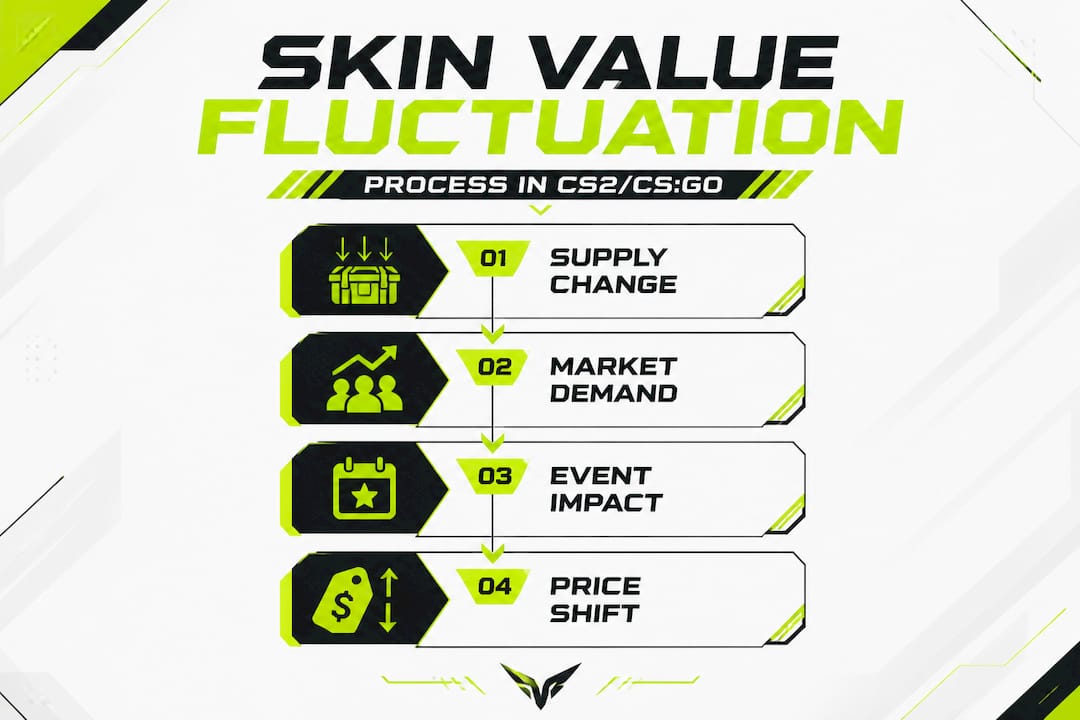
Skin values are affected by market trends and gameplay updates, meaning the entire ecosystem responds dynamically to what happens both inside and outside the game. That's what makes this market genuinely exciting but also tricky to navigate without context.
Here's a quick overview of the main causes of price movement:
- Game updates that add or deprecate case pools
- Pro scene exposure when top players showcase a skin
- Rarity shifts as StatTrak versions or certain wear tiers run low
- Platform-wide demand from streaming or content creation
- Community hype cycles tied to tournaments or limited events
Pro Tip: Track Steam Community Market price graphs over 90-day windows rather than 24-hour snapshots. Short windows look chaotic. The 90-day view shows actual trends.
The skin economy explained in full detail is surprisingly layered, but once you see the pattern, most price movements start to make sense.
Key factors driving skin value changes
Not all price changes are created equal. Some are small and temporary. Others are sustained shifts that reshape an entire segment of the market. Understanding which factors are in play at any given moment is what separates informed collectors from frustrated ones.
Rarity, demand, and trending events are the three main drivers behind price changes in CS2 and CS:GO. These forces don't operate in isolation. They stack, cancel each other out, or amplify each other depending on timing.
Here's a comparison of the major driving factors and their typical impact:
| Factor | Short-term impact | Long-term impact | Predictability |
|---|---|---|---|
| Game update (case change) | High | Medium | Medium |
| Pro player usage | Very high | Low to medium | Low |
| Rarity (limited supply) | Medium | High | High |
| Community trend or meme | Very high | Very low | Very low |
| Event-specific demand | High | Low | Medium |
Some examples worth noting. When Valve added the Anubis Collection directly to the map pool in 2023, skins tied to that collection spiked sharply because new exposure drove fresh demand on a previously quiet collection. Similarly, skins worn by CS2 pros during major tournaments have historically seen 30 to 80 percent price increases in the days following those events, only to cool off once the hype settled.
Key factors to monitor in real-time:
- Upcoming Valve operations and patch notes
- Major tournament schedules (ESL, BLAST, PGL)
- Case retirement or unretirement announcements
- Streamers and influencers picking up specific skin aesthetics
- Price movement in the 48 hours after a game update
Pro Tip: Look beyond Steam's own market for early signals. Third-party platforms that track CS2 market drivers often show price movement 12 to 24 hours before Steam listings catch up.
Understanding key skin value factors gives you a real edge because most casual traders only react. Smart collectors position themselves before the move.
How rarity shapes price volatility
Rarity is probably the most misunderstood concept in skin collecting. People assume rarity simply means "expensive." But it actually determines how volatile a skin's price is, which is a different thing entirely.
Skin rarity significantly impacts their market value and the degree to which that value swings. Common skins (Consumer Grade, Industrial Grade) have high supply and low demand. Their prices barely move, hovering in the cents-to-low-dollar range with minimal volatility. Covert or Classified skins sit at the other end. Low supply, high demand, and price swings that can be dramatic.
Here's a data comparison of typical price volatility by rarity tier:
| Rarity tier | Average supply level | Typical price range | Price volatility |
|---|---|---|---|
| Consumer Grade | Very high | $0.03 to $0.50 | Very low |
| Industrial Grade | High | $0.10 to $2.00 | Low |
| Mil-Spec | Medium | $0.50 to $15 | Low to medium |
| Restricted | Medium-low | $2 to $50 | Medium |
| Classified | Low | $10 to $200 | Medium to high |
| Covert | Very low | $50 to $1,500+ | High |
| Special (Knives, Gloves) | Extremely low | $100 to $5,000+ | Very high |
The pattern is clear. The rarer the skin, the bigger the potential swing. A Covert skin tied to a new operation can quadruple in price and then lose 40 percent of that gain within weeks if attention shifts elsewhere.
How to identify the most volatile skin types before trends hit:
- Check the drop rate. Skins with unboxing odds below 0.26 percent are at the covert or special tier and will always show higher volatility.
- Look for StatTrak variants. StatTrak versions are rarer by design and react more sharply to demand spikes.
- Identify limited availability windows. Operation-exclusive skins that are no longer earnable become volatile as supply dries up and demand from new players grows.
- Look at float value distribution. Factory New versions of skins with naturally high float ceilings are rarer than their wear tier suggests, creating hidden scarcity.
- Cross-reference with tournament timelines. Skins used by competing pro teams often spike in and around major events.
"The most undervalued moment to acquire a high-rarity skin is the two to three weeks after a major hype cycle ends and holders begin to sell. That's when price often bottoms before the next wave of interest picks it back up."
Pro Tip: Use platforms that show float value distributions for specific skins. A skin listed as "Field-Tested" can have wildly different float ranges, and the lower-float copies within that tier carry hidden rarity impact on skin value that most buyers miss.
Marketplace dynamics and collector strategies
Knowing what drives prices is only half the equation. The other half is understanding how marketplaces themselves behave, and how you can use that behavior to your advantage.
Skin trading trends and marketplace competition impact values in ways that aren't always visible on the surface. When multiple sellers list the same skin simultaneously after a hype cycle, they undercut each other quickly. Prices can drop 20 percent in a single afternoon just from seller competition, not from any actual change in demand.
"A marketplace isn't just a place to buy and sell. It's a live auction where the behavior of every other participant affects the price you pay or receive. Understanding that dynamic is the difference between an informed trade and an expensive mistake."
Practical tips for buyers and sellers navigating the market:
- Time your listings carefully. Listing a skin during peak gaming hours (evenings and weekends) means more eyeballs and faster sales.
- Don't panic-sell after a price dip. Short-term drops after hype cycles are normal. Check the 30-day chart before reacting.
- Monitor buy orders on Steam and third-party platforms. Strong buy order walls signal that genuine demand exists even when listings drop.
- Compare prices across multiple platforms. Steam Market, Buff.163, Skinport, and others can show different prices for the same skin, giving you arbitrage opportunities.
- Track volume, not just price. A price increase with low trading volume is often a fake-out. Real momentum comes when both price and volume rise together.
Understanding skin trading trends gives you a major advantage here because most collectors only check price history. Tracking volume alongside price is something that experienced traders use to filter out noise.
Collector strategies to reduce risk deserve their own focus. Many collectors make the mistake of putting too much of their inventory value into a single skin category, often knives or gloves. Diversifying across rarity tiers and skin types buffers against sudden shifts in a single segment. Holding a mix of stable mid-tier skins alongside a few high-volatility covert skins balances your exposure without locking you out of upside.
Another underused strategy is watching the CS2 skin marketplace dynamics around case releases. When a new case launches, the skins already in circulation from older cases often dip slightly as attention shifts. That dip is frequently temporary and represents a buy window for collectors who track these patterns.
Why conventional advice on skin value misses the mark
Here's the uncomfortable truth that most skin trading guides skip: the advice you find in most forums and YouTube videos is written for a market that no longer exists, or written by people optimizing for content engagement rather than actual profit.
The most common mainstream take is "buy rare, hold long." That sounds smart. But it ignores timing entirely. A Covert skin bought at the peak of a hype cycle can lose 50 percent of its value and stay there for 18 months, even if it's genuinely rare. Rarity without demand is just scarcity. Scarcity alone doesn't generate returns.
What expert traders actually monitor is community sentiment, not just price charts. They track Reddit threads, Discord servers, and in-game chat trends. They notice when a specific skin starts appearing in popular streamer clips before the price moves. That social signal often precedes the market signal by days.
There's also the issue of hype-driven advice hurting collectors who follow influencers blindly. When a popular creator says "this skin is about to blow up," the price has already moved. You're buying someone else's exit liquidity. The real signal was 48 hours earlier when the same creator started quietly accumulating before making any public statements.
The other thing experts do differently is track sentiment around game health itself. When major CS2 updates improve gameplay or fix long-standing issues, overall player counts rise. More players means more skin demand across the board. That rising tide lifts a lot of boats, including mid-tier skins that "buy rare only" advice completely ignores.
Understanding why gamers trade skins for profit, status, and long-term value reveals that the motivations driving the market are more emotional than rational. That means emotional intelligence, reading how the community feels about a skin, is genuinely a trading edge.
Pro Tip: Look beyond price charts. Search for skin names in CS2-related subreddits and Discord servers. When posts about a specific skin start increasing without a corresponding price spike, that's often the earliest signal of incoming demand.
Level up your skin trading with specialist tools
For collectors who want to turn understanding into action, having the right tools makes a measurable difference.
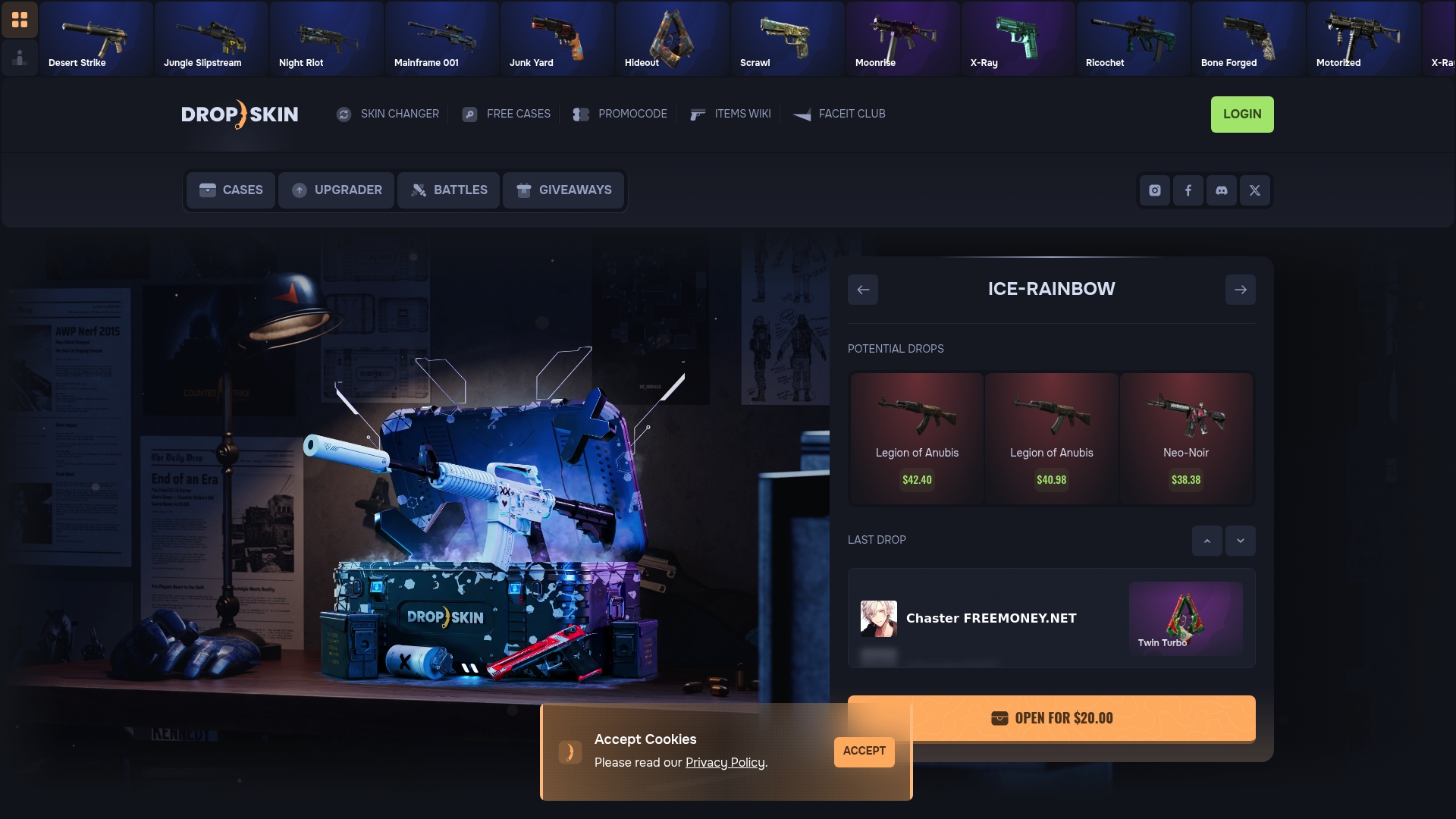
At Dropskin.com, we've built a platform specifically for CS2 skin enthusiasts who want more than a basic marketplace. Whether you want to open CS2 cases and discover new skins at a fraction of traditional prices, or use our CS2 skin upgrader to trade lower-value skins into higher-tier items, the platform is designed with the serious collector in mind. The upgrader is particularly useful for applying the rarity strategies covered in this article. You identify the volatility tier you want to target, then use the tool to work toward it efficiently. We also run regular giveaways and promo events, so there are genuine opportunities to add to your collection without large upfront investment.
Frequently asked questions
What causes sudden drops in skin prices in CS:GO and CS2?
Updates and releases can cause sharp price drops when new cases flood the market or when popular skins lose relevance after patches. Sudden seller competition after a hype cycle ends is also a major trigger.
How can I predict future skin value fluctuations?
Watching upcoming game events, rarity changes, and marketplace activity is your best approach. Following trends and rarity helps anticipate shifts before they fully register in the price data.
Are rare skins always more valuable long-term?
Not automatically. Rarity impacts value but doesn't guarantee long-term stability since market hype, game changes, and shifting player interest can erode even legitimately rare skin prices.
What's the best way to buy or sell skins safely?
Use well-established platforms and always verify transaction details before completing a trade. Marketplace competition and trading trends are constantly shifting, so cross-checking prices across multiple platforms helps you avoid overpaying or underselling.