
TL;DR:
- Skin trade bans are complex restrictions impacting tournament sponsorships, legal compliance, and player trading options. They aim to reduce youth exposure, scams, and illegal gambling while reshaping the market by favoring larger, regulated platforms. Traders and collectors should verify platform licenses, stay updated on policies, and adapt their strategies to stay safe and maximize opportunities within the evolving environment.
Most gamers assume skin trade bans are just Valve cracking down on shady sellers and scam sites. The reality is far more complex. Skin trade bans reach into tournament sponsorships, jersey branding, legal regulation, and the everyday ability to buy, sell, or collect the skins you've spent real money building up. Whether you're a casual collector or a serious trader, understanding exactly what these bans do, why they exist, and how they change your options is the clearest advantage you can have right now.
Table of Contents
- What is a skin trade ban?
- Why do skin trade bans exist?
- How do skin trade bans impact gamers and tournaments?
- What does a skin trade ban mean for your trading and collecting?
- The skin trade ban myth: what conventional wisdom gets wrong
- Explore safer skin trading and upgrade options
- Frequently asked questions
Key Takeaways
| Point | Details |
|---|---|
| Forms of skin trade bans | Bans can target trading, sponsorship, tournament visibility, or gambling sites depending on the platform or jurisdiction. |
| Motivations for bans | Scam prevention, youth protection, tournament integrity, and regulatory compliance drive skin trade bans. |
| Impact on gamers | Trading and collecting are reshaped by bans, restricting certain sites and changing sponsor dynamics. |
| Safe trading practices | Choosing reliable methods and platforms keeps your skins secure under new ban rules. |
| Adapting strategies | Collectors and traders can thrive by understanding bans and shifting to compliant trading options. |
What is a skin trade ban?
A skin trade ban is not one single rule. It's a category of restrictions that can come from very different places, targeting different parts of the skin economy. Understanding the skin trading industry terms helps you see exactly which type of ban you're dealing with at any given moment.
There are three main forms these bans take:
- Platform-level bans: Valve or Steam restricts a user's trading ability directly, often as a response to fraud, scam reports, or Terms of Service violations. These can freeze your ability to send or receive skins for days, weeks, or indefinitely.
- Tournament and event bans: Official esports events operating under Valve's licensing rules are prohibited from allowing skin gambling or trading site sponsorships, logo displays on jerseys, or banner placements at venues.
- Regulatory or legal bans: Government bodies in certain countries classify skin gambling as real gambling and restrict or shut down operating platforms.
The tournament angle is the one most people overlook. Valve bans skins gambling and case opening sites from jersey branding and event promotions under their Limited Game Tournament License (TOR), which every organizer running an official CS2 tournament must sign.
"Valve's tournament rules mean that when you watch a major, every sponsor visible on a player's jersey has been vetted against these restrictions. Skin trading or gambling platforms simply cannot appear."
This is bigger than most people realize. Sponsor money shapes how tournaments run, how teams get funded, and what communities form around the game. Pulling one category of sponsors out of that equation changes the entire financial landscape of competitive CS2.
Why do skin trade bans exist?
The motivations behind skin trade bans stack up from several directions. This is not one stakeholder deciding to clean things up. It's pressure coming from regulators, game publishers, tournament organizers, and payment processors all at the same time.
Here are the primary reasons bans have become more common and more enforced:
- Youth exposure and addiction risk. Skin gambling platforms attract young players who may not fully understand they're engaging in real gambling behavior. Case opening, skin wagering, and upgrade mechanics mirror slot machine psychology closely. Regulators have pushed hard on this.
- Scam prevalence. Third-party platforms created large attack surfaces for phishing, fake trade offers, and impersonation scams. Bans reduce the number of unregulated venues where these scams can operate.
- Real-world cash value. The moment skins can be cashed out for actual currency, they meet the legal definition of gambling in many jurisdictions. UK regulators treat skins gambling as potentially meeting the legal definition of gambling, which means enforcement is required against unlicensed operators.
- Tournament integrity. Match fixing risks increase when large skin gambling operations run alongside esports events. Sponsors with financial interest in gambling outcomes create conflicts of interest that tournament organizers need to eliminate.
- Brand protection for Valve. Valve owns Counter-Strike and directly benefits from keeping the game's image clean enough to attract mainstream sponsors and retain younger player demographics.
Pro Tip: If you're using any third-party skin platform, always check whether it holds a valid gambling license for your country. A platform that operates without one is at genuine legal risk of shutdown, which means your funds and skins could be frozen or lost entirely.
Understanding the risks and motivations behind skin changers and common skin trading mistakes gives you a clearer picture of why the ban pressure keeps growing. The ecosystem has always had a high risk profile. Bans are the delayed institutional response to years of unregulated activity.
How do skin trade bans impact gamers and tournaments?
This is where things get tangible for players watching matches and collectors building their inventories. The effects run across four key areas.
Tournament visibility and jersey sponsorships
Under Valve's TOR, which prohibits skin gambling and case opening site content, professional teams can no longer wear jerseys branded with skin trading platforms at official events. For teams that had significant income from these sponsorships, that's a direct funding hit. Some smaller teams lost primary sponsors overnight when these rules took effect.
Funding and sponsor reshaping for organizers
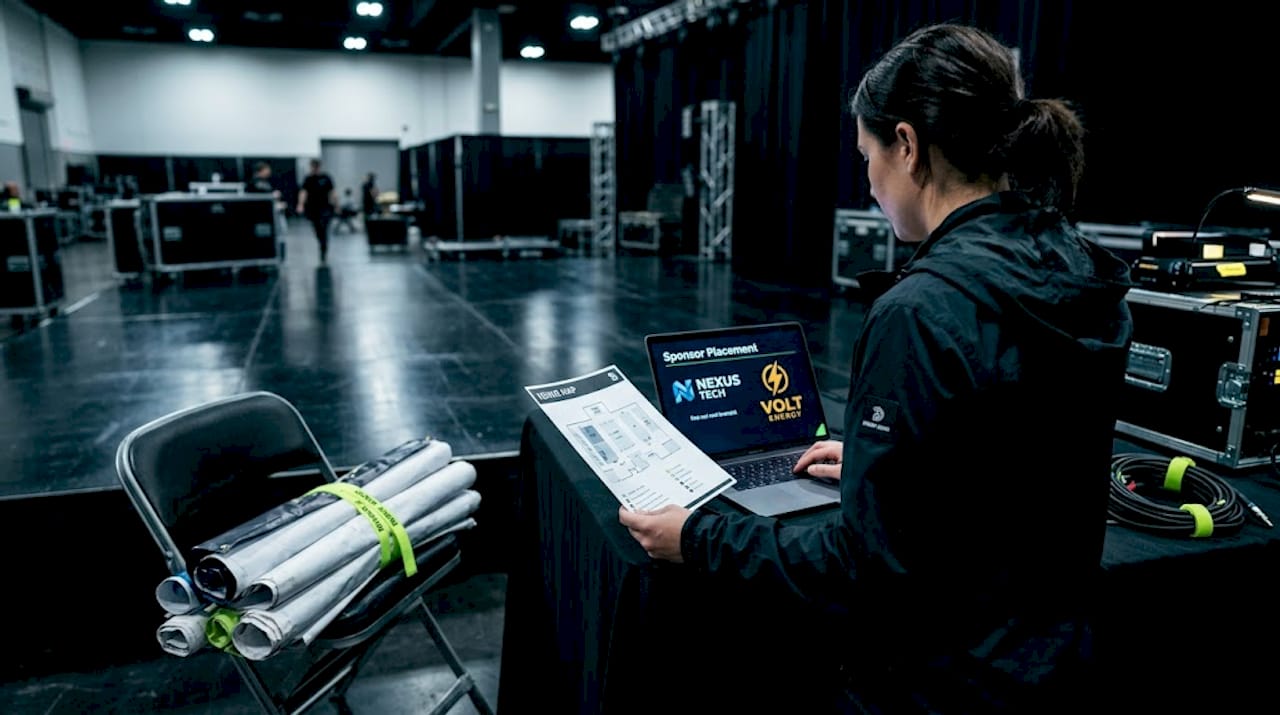
Tournament budgets have had to adapt. Organizers now seek sponsors from traditional tech, energy drink, and peripheral companies instead of skin platforms. This matters for gamers because prize pools and production value at events are partly dependent on total sponsor revenue. The esports and skin engagement relationship is real, but it's being restructured.
Trading behavior shifts for collectors
| Before bans | After bans |
|---|---|
| Multiple skin gambling sites visible at events | No gambling/trading site branding at official events |
| Open sponsor deals for pro teams | Teams restricted to non-skin-gambling sponsors |
| Less scrutiny on third-party platforms | Higher regulatory risk for unlicensed platforms |
| More casual skin wagering culture | Greater caution around where skins are deposited |
Real reductions in specific harms
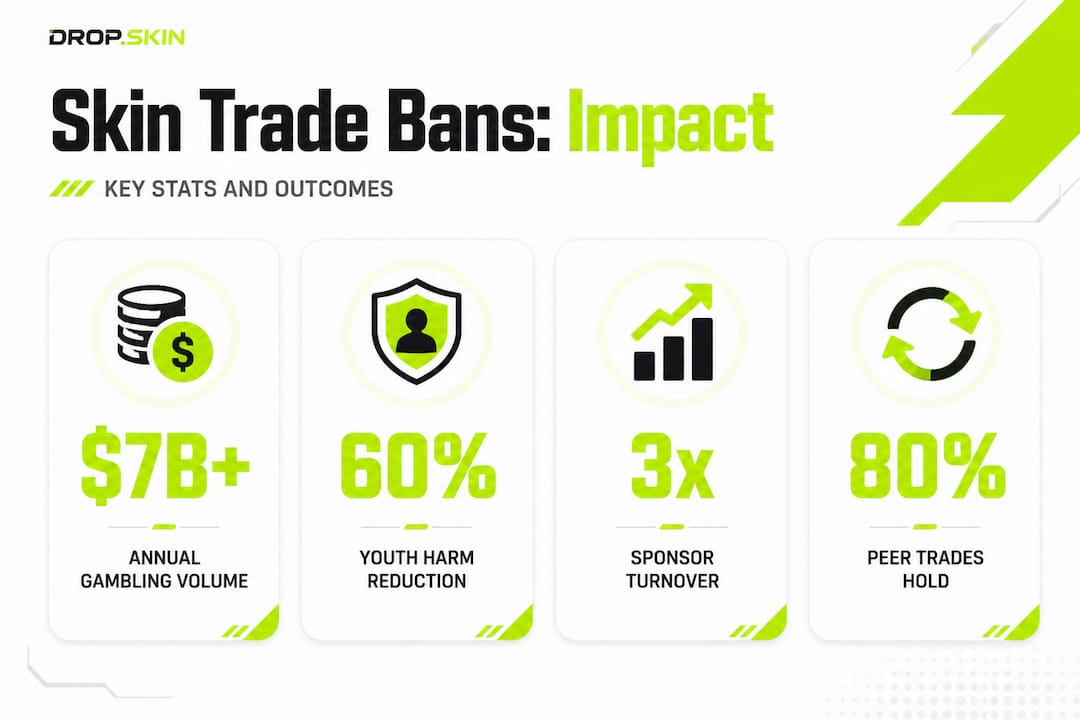
It's worth being honest here. Research confirms that these changes do reduce scam exposure and youth harm while reshaping sponsor budgets. Fewer exposed gambling ads during broadcasts means younger viewers encounter less pressure to participate. That's a genuine positive outcome, even if it comes with costs for traders and collectors.
What doesn't change is the community-driven culture of CS2 skin trading. Peer-to-peer trading, community marketplaces, and private deals continue operating. The bans hit sponsored and public-facing activity hardest, not private trading. Understanding which third-party skin sites still operate within the rules is now a core skill for any serious collector.
Stat worth noting: Skin gambling was estimated to process billions of dollars annually before regulatory pressure intensified. Even with bans in place, the total market remains substantial, but it has moved toward more compliant, licensed operations in many regions.
What does a skin trade ban mean for your trading and collecting?
Let's get practical. If you're actively trading or collecting CS2 skins right now, here's what you need to factor into your strategy.
How the risk profile changes by platform type:
| Platform type | Risk level under bans | What to check |
|---|---|---|
| Steam Community Market | Low | Standard Valve rules apply |
| Licensed third-party sites | Medium | Verify license for your region |
| Unlicensed gambling sites | High | UK enforcement specifically targets these |
| Peer-to-peer direct trades | Low to medium | Scam risk remains; use reputable methods |
| Unofficial bots and APIs | High | No consumer protection at all |
Here's a practical checklist for safe trading under current rules:
- Verify platform licensing. Any site that lets you deposit skins for real-money value should hold a gambling license in your country. If you can't find it easily on the site, assume it doesn't exist.
- Check your Steam trade hold status. Valve's own trade restrictions apply before any third-party rules do. Knowing your current trade hold window prevents costly mistakes.
- Use two-factor authentication on Steam. This single step eliminates most account-based scams.
- Document high-value trades. Screenshots and chat logs create a record if something goes wrong.
- Monitor official policy updates. Both Valve and regulators update rules more frequently than most traders realize. Set a habit of checking at least monthly.
Pro Tip: When evaluating a skin platform, look for their responsible gambling statement and age verification process. These are markers of a site that has taken legal compliance seriously, which means your skins and funds are significantly safer.
Learning safe skin trading practices in detail and understanding how peer-to-peer trading in CS2 actually works at a technical level are both essential for collectors navigating the current environment. The landscape has changed. Your methods should too.
The collectors who adapt fastest are the ones who see bans not as obstacles but as filters. When unregulated platforms get shut down, the inventory from those platforms often floods back into more stable markets. Smart traders position themselves to benefit from those moments rather than scramble when their favorite platform disappears overnight.
The skin trade ban myth: what conventional wisdom gets wrong
Here's the uncomfortable truth that most coverage misses. Skin trade bans are frequently framed as purely protective measures, reducing scam rates and shielding young gamers from gambling. That framing is incomplete.
Coverage focused on scam and youth harm reduction is accurate as far as it goes. But it consistently underweights the economic reshaping that happens alongside those protections. When skin gambling sponsors disappear from tournaments, that money doesn't evaporate. It flows somewhere else, usually to larger, more established sponsors who are better positioned to absorb the compliance costs of operating in the regulated space.
This is a power shift, not just a cleanup. Smaller skin platforms that funded grassroots CS2 tournaments and sponsored emerging teams cannot absorb the cost of full regulatory compliance. Larger platforms can. The result is market consolidation. Fewer platforms. Bigger players. Less competition for users.
For gamers and collectors, this means fewer choices over time, not more. The platforms that survive bans and regulatory pressure tend to be the ones with the most capital, which often means less innovation and less community-focused design. Tracking skin trading trends that matter for serious players helps you stay ahead of where the market is actually moving rather than reacting to headlines after the fact.
The other thing conventional wisdom gets wrong is treating bans as endpoints. They're not. Every major ban wave in CS skin trading history has been followed by adaptation, new platforms, new trading methods, and new community norms. The ecosystem doesn't disappear. It restructures. Collectors who understand this don't panic sell. They position.
The smartest move any CS2 skin trader can make right now is to treat regulatory changes as market signals, not just compliance requirements. When a category of site gets restricted, the trading opportunities in compliant alternatives typically increase. You're not losing the game. You're learning new rules mid-match.
Explore safer skin trading and upgrade options
Navigating skin trade bans doesn't mean stepping away from the market. It means finding platforms that operate transparently and let you keep building your inventory without regulatory risk.
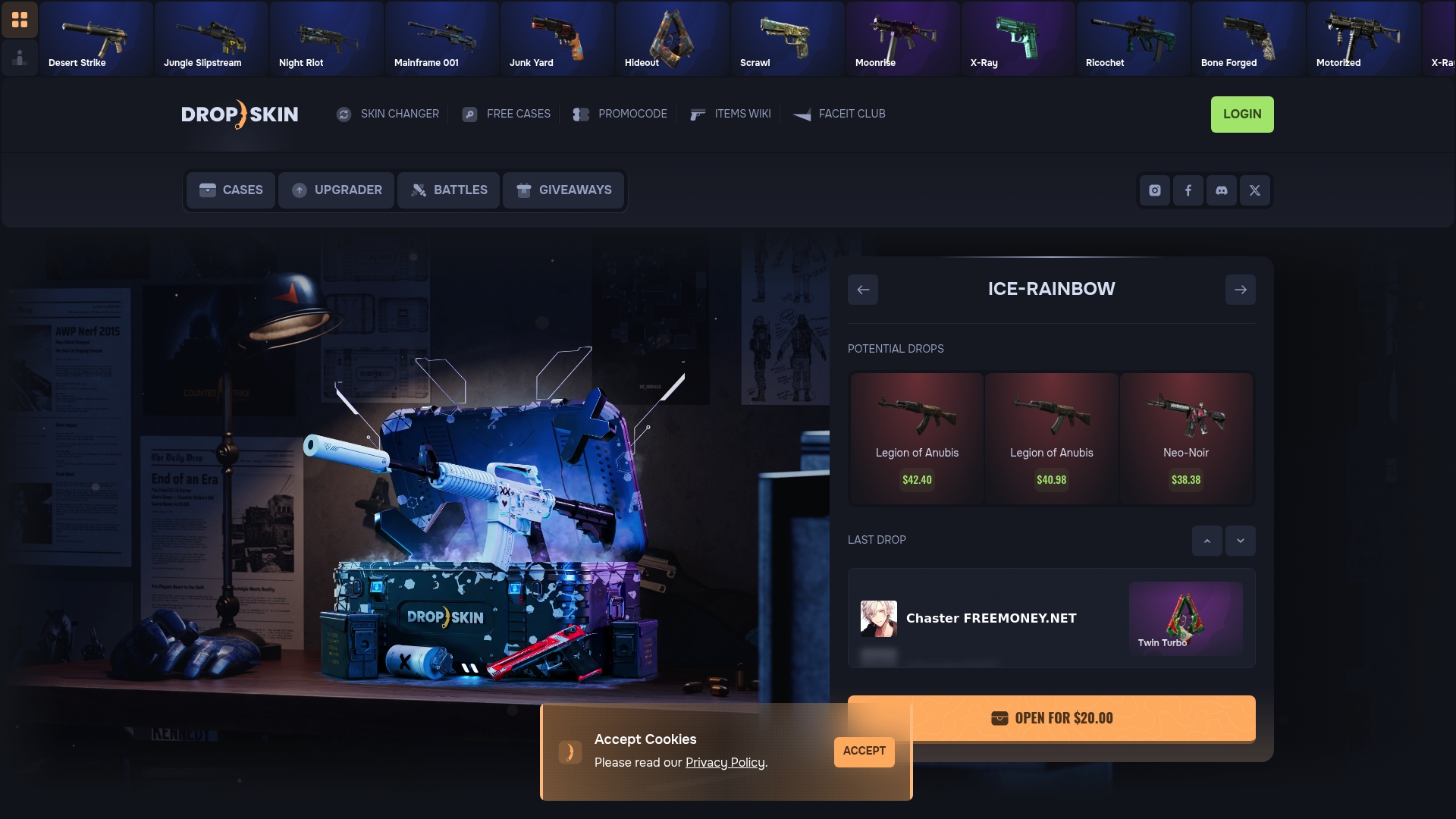
At Dropskin.com, you can open CS2 cases and upgrade skins in a community-focused environment built around fair mechanics and real transparency. Whether you want to climb from budget skins to premium ones or test your luck in battle matches, the platform keeps you active in the skin economy without the risk that comes with unlicensed or unregulated sites. You can also use the dedicated skin upgrader tool to transform lower-value skins into higher-tier items, giving your collection real momentum even when trading conditions tighten around you.
Frequently asked questions
Are skin trade bans permanent?
Skin trade bans can be permanent or temporary depending on the platform and the specific reason for the ban. Valve's tournament rules restricting skin gambling site promotion at official events are ongoing policy, not a temporary measure.
Is skin gambling illegal everywhere?
Skin gambling is illegal in jurisdictions where regulators classify it as gambling and the platform is unlicensed. In the UK, skins treated as gambling when they can be wagered or cashed out for real value, which triggers licensing requirements that many sites never obtained.
Can you still trade skins in CS:GO and CS2?
Yes, direct skin trading between players remains possible through Steam and certain platforms. Valve's jersey and event rules target sponsorship visibility and promotion, not peer-to-peer trades between individual users.
What should collectors do when a skin trade ban is active?
Collectors should stick to licensed, compliant platforms, verify their trade hold status on Steam, and avoid depositing valuable skins on sites without clear licensing. UK enforcement specifically targets unlicensed gambling sites with real-world cash-out value, and similar action is expanding globally.