TL;DR:
- Most skin gamblers (72.2%) lose money, with average losses over $1,100.
- Trading skins based on market knowledge offers better long-term profit potential than gambling.
- Risk factors include high addiction rates and psychological biases that lead to significant losses.
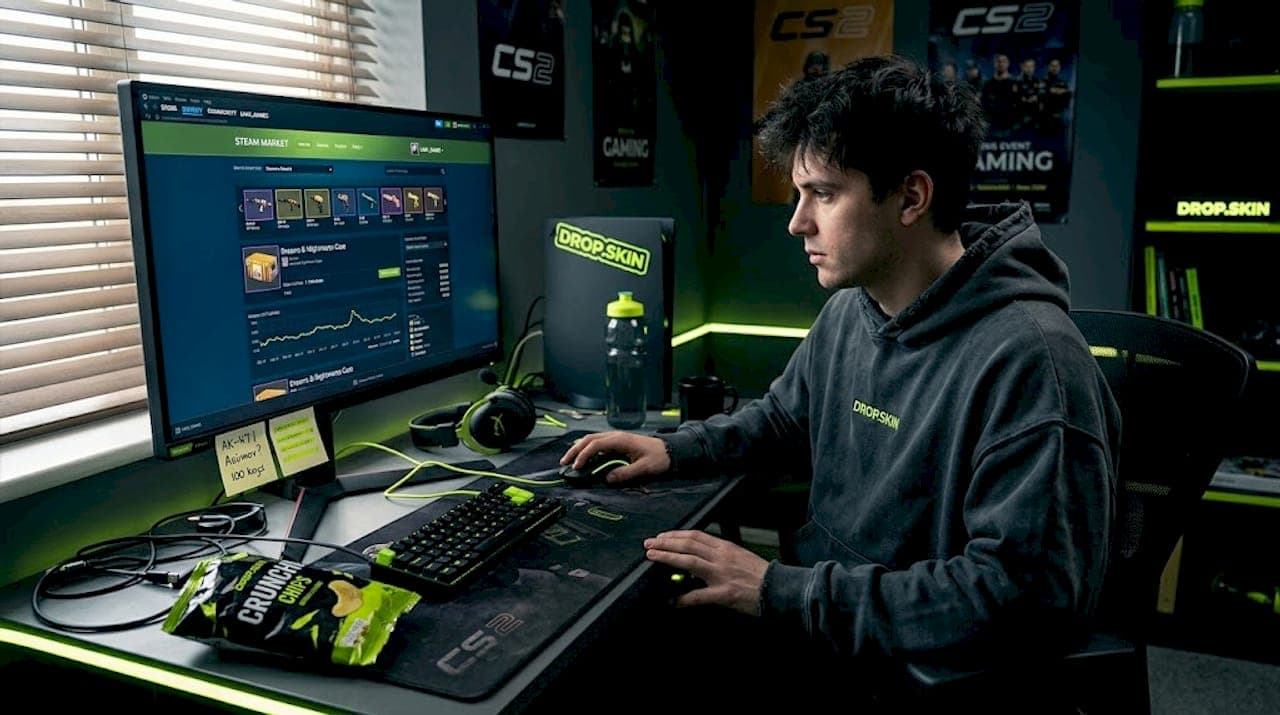
Most CS2 and CS:GO players step into skin gambling with one picture in mind: rare drops, fast profits, and an inventory worth bragging about. The reality hits differently. 72.2% of skin gamblers lose money, with average losses topping $1,100 per person. That's not a fringe case. That's the majority. This guide cuts through the excitement and gets honest about how skin gambling actually works, where the real dangers hide, and when, if ever, the rewards make sense.
Table of Contents
- Understanding skin gambling: How it works
- The risks: What most players underestimate
- The rewards: When is gambling or trading worth it?
- Smart moves: Reducing risk and maximizing reward
- The uncomfortable truth most players don't hear about skin gambling
- Ready to try your luck smartly?
- Frequently asked questions
Key Takeaways
| Point | Details |
|---|---|
| Most lose money | Over 72 percent of skin gamblers lose money and most face high risk of problem gambling. |
| Trading is safer | Skin trading gives you control over your assets and generally carries lower risk than betting. |
| Potential for profit | Selective, informed trading and timing the market can occasionally beat traditional investments. |
| Manage your risk | Budget carefully, spot warning signs, and choose safe platforms to play responsibly. |
Understanding skin gambling: How it works
Skin gambling isn't one thing. It's actually a cluster of different activities that all involve CS2 or CS:GO cosmetic items as currency or prizes. Understanding what is CS2 skin gambling is the first step toward making smarter decisions about whether to participate.
Here's a breakdown of the main types:
- Case opening: You pay real money to open a virtual case with a randomized outcome. The drop rates for rare skins are often well below 1%, which means the house almost always wins.
- Skin betting: You wager skins on third-party sites, usually tied to esports match outcomes or casino-style games like roulette and crash. Your skins are the chips.
- Skin trading: You buy, sell, and swap skins through Steam's marketplace or peer-to-peer platforms. This is distinct from gambling because you control the transaction.
- Skin upgrading: You risk lower-value skins for a chance at a higher-value one. Platforms like Dropskin.com offer this as a feature with transparent odds.
The reason skins carry real monetary value is rooted in supply and demand. Valve releases skins through limited cases, battle passes, or special drops. Scarcity drives prices up. Some skins are also tied to nostalgia, pro player usage, or rare float values (a measure of wear), all of which inflate desirability. The CS2 skin trading terms around float, pattern, and wear categories directly affect resale value, sometimes dramatically.
The CS2 skin market cap sits at $6 billion, with some top skins returning an average of 41.2% annually from 2013 to 2024. That figure outperforms most traditional stock picks. But those gains belong to a specific type of participant: the informed trader, not the casual gambler.
Pro Tip: Know the difference between a betting site (where luck determines your outcome) and a trading platform (where market knowledge gives you an edge). Mixing them up is where most players go wrong.
The risks: What most players underestimate
With the basics covered, it's time to dig into what separates skin gambling risks from other forms of gaming. The numbers here aren't meant to scare you off. They're meant to give you an accurate map before you walk into unfamiliar territory.
The most cited piece of data in this space comes from a UK government review. The findings were stark:
"72.2% of skin gamblers lost money, with average losses exceeding $1,100. Additionally, 79.4% of skin gamblers showed problem gambling markers, and skin gambling was associated with higher problem gambling severity even when controlling for other gambling behaviors."
That's not a gambling problem stat from a casino study. That's specific to skin gambling. The population skews young, often teenagers and players in their early twenties, many of whom don't see skins as "real money" until the losses stack up.
Why does skin gambling feel so winnable when it isn't? A few psychological factors work against you:
- The near-miss effect: Getting a rare-tier item that's just below the jackpot feels like progress, even though statistically it means nothing for your next spin.
- Sunk cost bias: After losing several skins, players often bet more to "win it back," which accelerates losses rather than reversing them.
- Social proof loops: Streamers showing massive wins are curated highlights. You don't see the hundred sessions where they lost their deposit.
- Detachment from cash value: Skins feel like game items, not money. That psychological distance lowers your natural financial caution.
Current CS2 gambling trends show that more players are engaging with third-party sites than ever before, and the range of game formats keeps expanding. More options mean more ways to lose money without realizing you're in a pattern. Understanding CS2 skin value drivers is critical because players who don't understand what makes a skin valuable in the first place are at the highest risk of making bad bets.
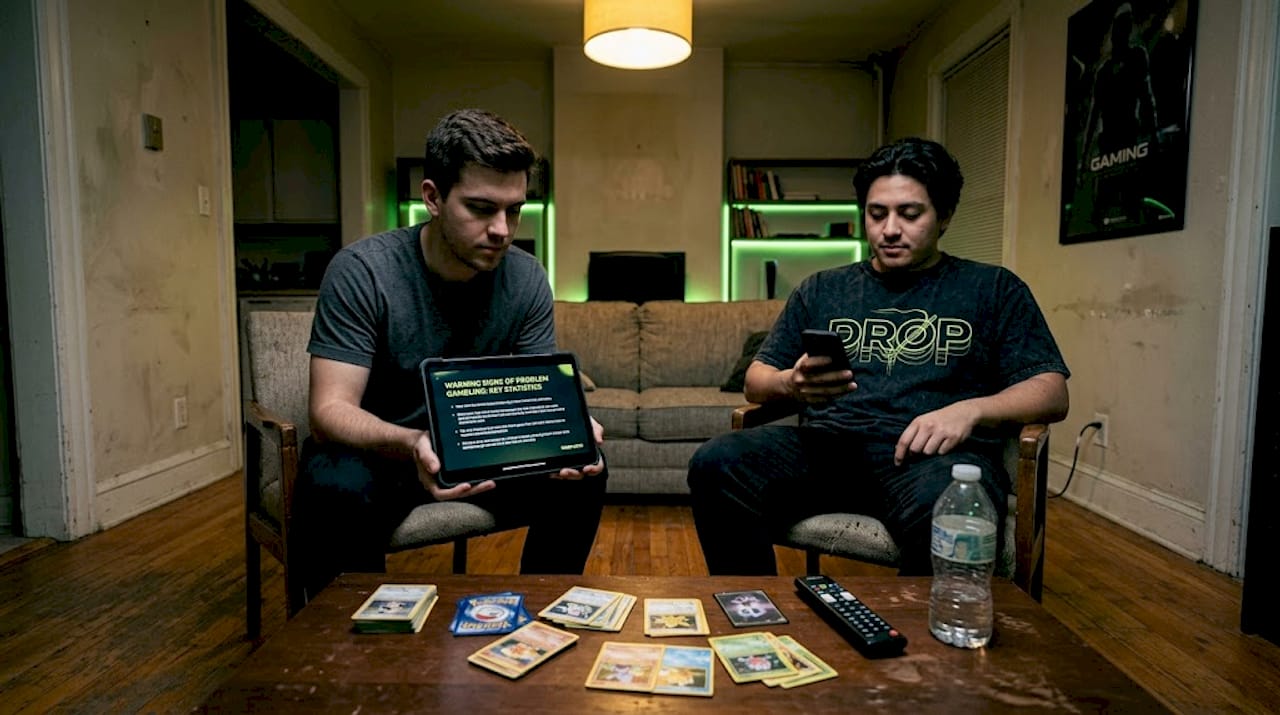
The problem gambling markers found in skin gambling participants are alarmingly high: 79.4% show warning signs. For comparison, problem gambling rates in traditional casino gamblers are typically estimated between 1% and 5%. Skin gambling sits in a completely different risk category.
The rewards: When is gambling or trading worth it?
Understanding the downside is only half the equation. Now let's assess how and when the rewards can outweigh the risks, because there are legitimate scenarios where participating in the skin economy can pay off.
The key distinction is trading versus gambling. These two activities look similar on the surface because both involve skins changing hands. But their risk profiles are completely different.
Three realistic ways to profit from the skin economy:
- Arbitrage: Buying skins below market value on one platform and reselling them at full price elsewhere. This requires patience, market knowledge, and fast execution, but it carries far less randomness than any gambling format.
- Market timing: Buying skins before major CS2 updates, esports events, or case retirement announcements, then selling during the demand spike. The 41.2% annual average returns on top-performing skins come largely from players who understood timing.
- Rare drops and case investments: Opening cases can yield rare items, but this is a high-variance play. The players who profit from case openings at scale are essentially running statistical experiments with large bankrolls. Most casual players don't have the sample size or the bankroll to absorb variance.
Here's a comparison that clarifies the difference clearly:
| Factor | Skin trading | Skin betting/gambling |
|---|---|---|
| Control over outcome | High | Low |
| Skill dependency | High | Very low |
| Average player profitability | Possible with knowledge | 72.2% lose money |
| Psychological risk | Low to moderate | High |
| Market cap backing | $6B+ market | Not applicable |
| Long-term viability | Strong with research | Poor |
Looking at skin trading trends for 2026, the market has shown continued growth in high-tier skin demand, especially for StatTrak items and Factory New condition pieces tied to discontinued cases. These trends favor informed traders significantly more than casual gamblers.
Pro Tip: Trading gives you asymmetric control. You can hold a skin and wait for the right price, set limits, and exit strategically. In betting, once the match starts or the roulette spins, your control is gone entirely.
Smart moves: Reducing risk and maximizing reward
Knowing both risk and reward, your next step is understanding how to tip the odds in your favor with smart strategies. Whether you're primarily interested in trading or you want to try gambling formats responsibly, there are concrete behaviors that separate smart players from those who burn through their inventory.
Start with a simple framework for managing your exposure:
- Set a hard budget before you start. Decide in advance what you're willing to spend or lose. If you're gambling, that money should be treated as entertainment spending, not an investment.
- Never chase losses. This is the most common trap. Most skin gamblers lose more than $1,100 partly because they doubled down trying to recover earlier losses.
- Use self-exclusion tools. Reputable platforms offer deposit limits, session timers, and self-exclusion options. If a site doesn't have these, that's a red flag.
- Understand what you're buying. Before opening a case or making a trade, look up the item's price history, current market spread, and drop rates if applicable.
- Separate gambling from collecting. If your goal is to build an impressive inventory, trading is far more reliable than gambling for that outcome.
Here's a practical look at risk levels across different activities in the skin economy:
| Activity | Risk level | Profit potential | Skill required |
|---|---|---|---|
| Peer-to-peer skin trading | Low | Moderate to high | High |
| Steam marketplace trading | Low to moderate | Moderate | Moderate |
| Skin upgrading (transparent odds) | Moderate | High | Low to moderate |
| Esports match betting with skins | High | Variable | Low |
| Case opening | Very high | Very high or zero | Very low |
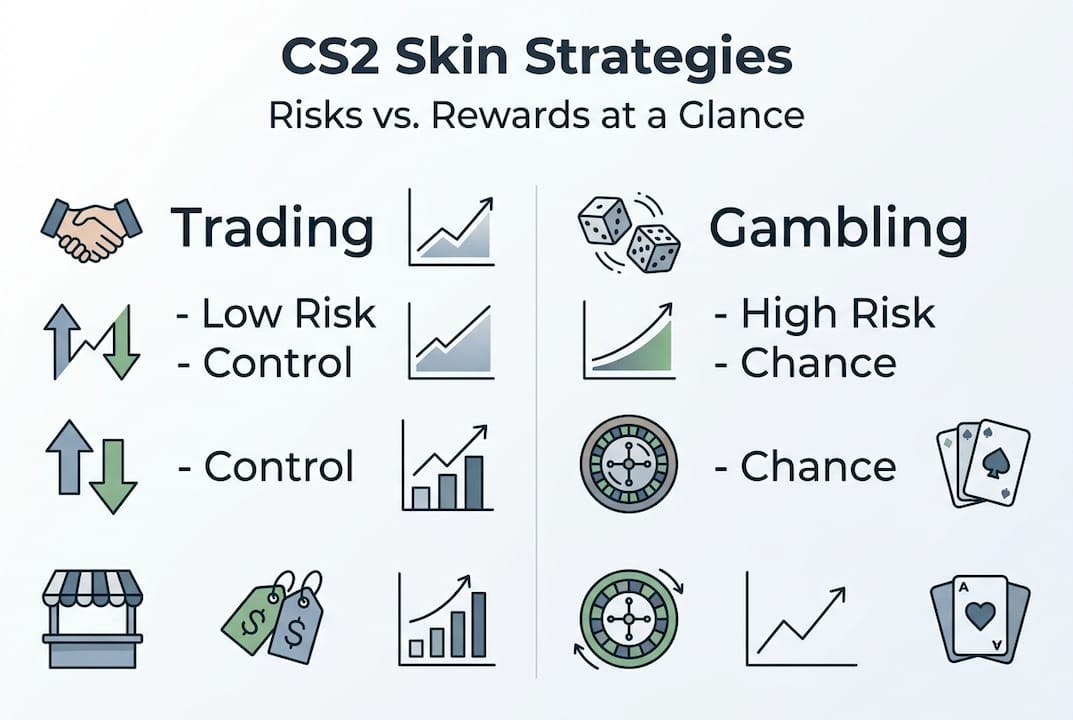
The CS2 skin investment potential is real, but it's accessible mainly through the low-risk column, not through repeated gambling sessions. Players who approach this space as collectors or traders rather than bettors statistically come out ahead more often.
For players interested in building a collection thoughtfully, the esports skin collecting approach focuses on long-term value and enjoyment rather than short-term wins. Understanding how esports skins and engagement work together also explains why certain tournament-linked skins appreciate over time, which is useful knowledge for anyone looking to hold and grow their collection.
Pro Tip: When evaluating a skin platform, look for transparent odds, withdrawal options (not just deposit), and responsible gambling tools. If the site makes it easy to put money in but hard to take it out, treat that as a serious warning sign.
The uncomfortable truth most players don't hear about skin gambling
Here's what the stats and strategy guides won't tell you outright: the biggest risk in skin gambling isn't losing money. It's convincing yourself you're the exception.
Every platform that relies on gambling revenue benefits from you believing your skills, your timing, or your instincts give you an edge in a game that's fundamentally designed against you. CS2 players are especially vulnerable to this because they're already skilled at the game. Beating opponents in ranked matches feels like evidence that you can "read" outcomes in gambling formats too. It isn't. Match skill and gambling luck exist in completely separate domains.
We've seen this pattern repeatedly. A player wins early (which is statistically likely to happen at first, just from variance), reinforces the belief that they're good at this, then chases that feeling through increasingly large bets. The skin culture around CS2 and CS:GO has historically glamorized big wins while quietly normalizing the losses that far outnumber them.
The contrarian angle worth considering: can you find a real edge? Yes, but only in trading, not in betting. Serious traders who study market cycles, watch patch notes and case retirement timelines, and act on information asymmetry do generate consistent returns. That's a skill-based activity. The honest distinction is that this looks more like investing than gambling.
If you're in this for the community, the aesthetics, or the satisfaction of owning something rare and beautiful in a game you love, collecting and trading will give you more of that without the psychological cost. The players who build genuinely impressive inventories over time are almost never the ones grinding roulette wheels. They're the ones who learned the market.
Ready to try your luck smartly?
If this article has shifted how you're thinking about skin gambling, that's exactly the point. Knowing the risks doesn't mean avoiding the space entirely. It means engaging on better terms.
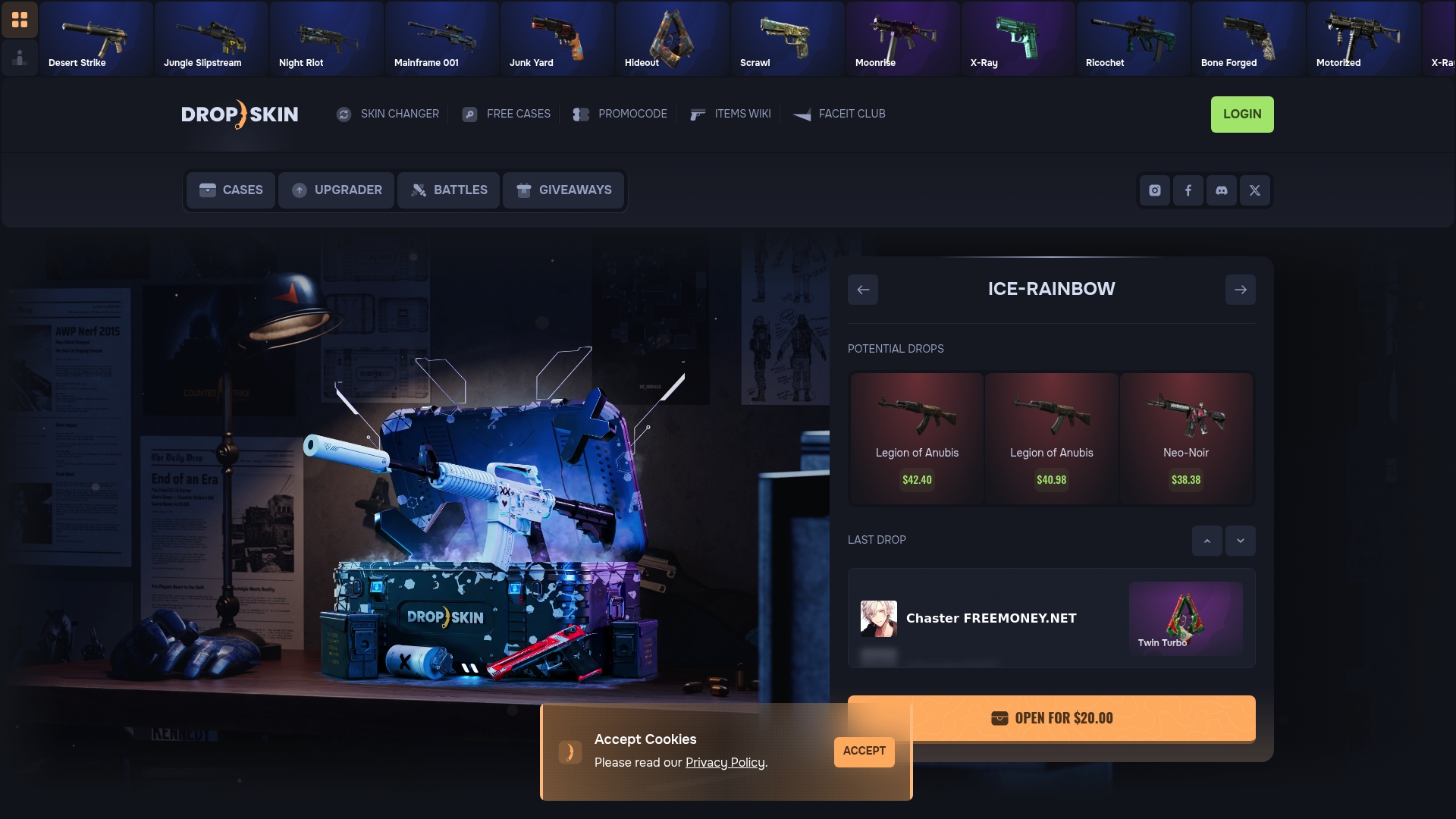
At Dropskin.com, you can open CS2 cases with full visibility into odds and potential outcomes, keeping the experience fun without surprises. If upgrading skins is your goal, the skin upgrader tool lets you swap lower-value skins for a chance at higher-tier pieces, with transparent mechanics so you always know what you're working with. Dropskin combines the excitement of skin gambling with the clarity of responsible platform design, meaning you can enjoy the thrill while staying in control of your inventory and your spending.
Frequently asked questions
Is skin gambling legal for CS2 and CS:GO players?
The legality of skin gambling depends entirely on your country and age. Always check your local laws and platform terms before participating, since regulations vary widely across regions.
Which is safer, trading or betting skins?
Trading is significantly lower risk because you maintain control over your items and transactions, while betting typically leads to higher losses. The average skin gambler loses over $1,100, whereas skilled traders can generate returns, with top CS2 skins averaging 41.2% annually over the past decade.
Can you really make money with skin gambling?
A small number of players profit, primarily through informed market trading and rare skin acquisitions, but 72.2% of skin gamblers lose money. Those who profit consistently tend to rely on market knowledge rather than luck, which is fundamentally closer to trading than gambling.
What are early warning signs of developing a gambling problem?
Spending more than you planned, chasing losses to recover previous bets, and using gambling to escape stress or negative emotions are all serious warning signs. The problem gambling markers in skin gamblers specifically are alarmingly high at 79.4%, so these signs are worth taking seriously early.